- Porto : From London’s winter chill to Porto’s warm, tiled charm
- Porto : Pure Wilderness in Peneda-Gerês National Park
- Porto : A misty birthday drive through the Douro Valley
- Lisbon: Nazaré’s waves, Sintra’s fairytale palaces, and our first sunset near Cascais
- Lisbon: Train from Cascais, Alfama walks, and a sunset by the sea
- Algarve : The Seven Hanging Valleys Trail and Benagil in real life
- Algrave: Lagos, cliffside walkways, and a beach day done right
- Algarve :Waterpark fun, sunset strolls in Quarteira, and a calm goodbye in Faro
Man cannot discover new oceans unless he has the courage to lose sight of the shoreAndré Gide
After the whirlwind of Day 1 in Porto—the flight, and the city sights—we woke up on the farm feeling properly rested. The quiet countryside and the simple joy of that fire we’d built the night before made it feel like we’d finally settled into Portugal’s rhythm.
An early start north
Day 2 was all about heading into the far north: Peneda-Gerês National Park—famous for its waterfalls, wild scenery, and viewpoints that make you stop mid-sentence. We left early because it was a proper drive, and the further north we went, the more the landscape changed.One thing that stood out immediately: Portugal’s roads are excellent. Even on long stretches, driving felt smooth and easy. The only challenge came as we climbed higher into the hills—the roads became more winding, and at one point we started feeling a bit dizzy (classic motion sickness on twisty mountain bends). We took a couple of breaks, stretched our legs, and carried on.
The biggest surprise: a national park with no one in it
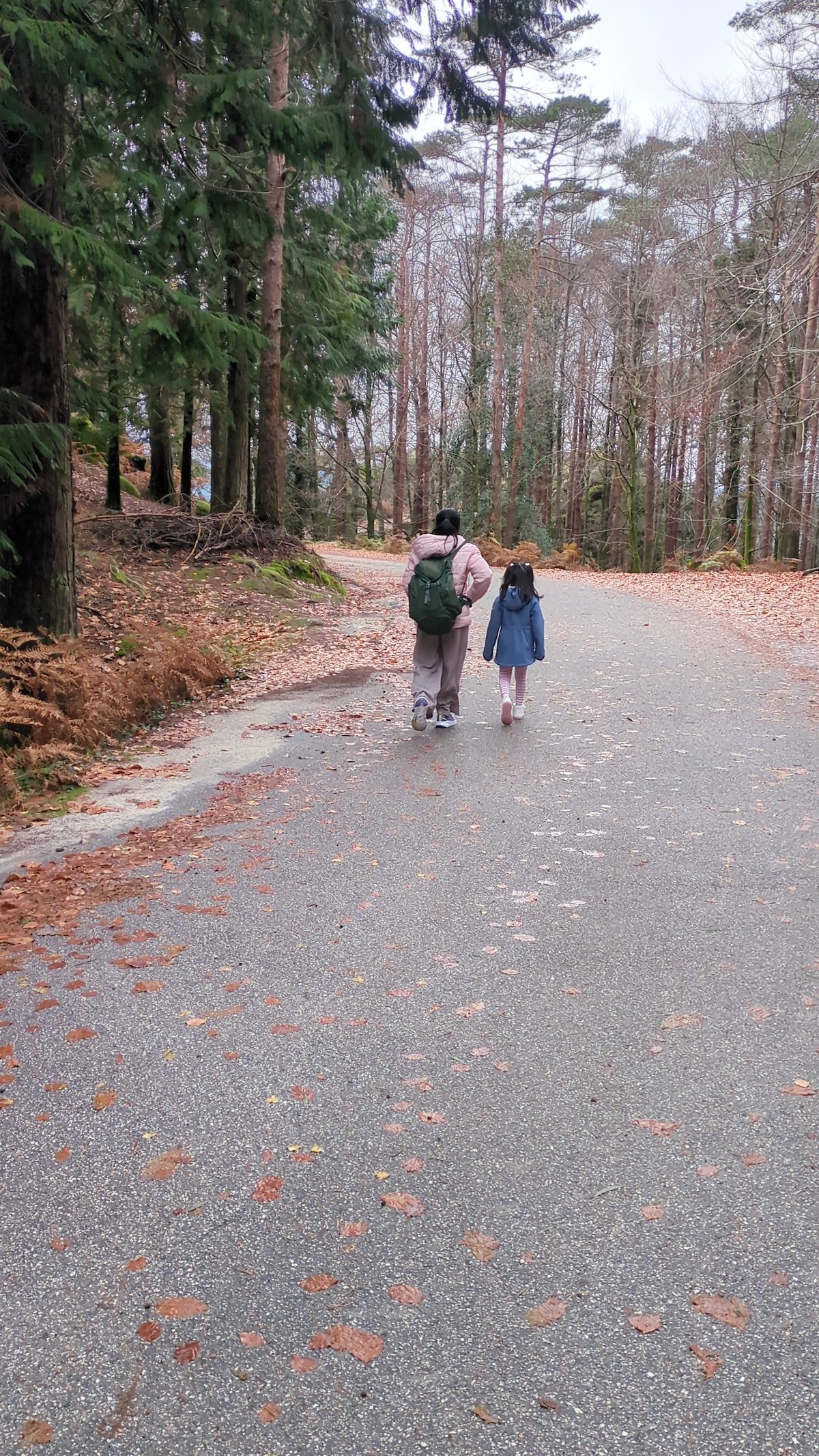
We expected crowds, tour buses, and busy parking areas—even in December. Instead, we found the opposite.Peneda-Gerês felt almost empty. It was like driving into a world that had pressed pause: pure wilderness, stillness, and that kind of silence you only notice once you’re inside it. No queues. No groups. Hardly any cars—maybe one passing vehicle in an hour, if that. Just us, the forest, and a road cutting through it like a secret.
Skipping Lindoso (and staying on the safe side of the border)
We’d considered going towards Lindoso, but that would have meant crossing into Spain. Even though the border technically “doesn’t exist” in the way it once did (thanks to the Eurozone and open crossings), car rental rules still do—and we didn’t want any surprise charges for taking the car into another country. So we changed plans and stayed firmly on the Portugal side.
Portela do Homem Waterfall: beautiful, but tricky to stop for
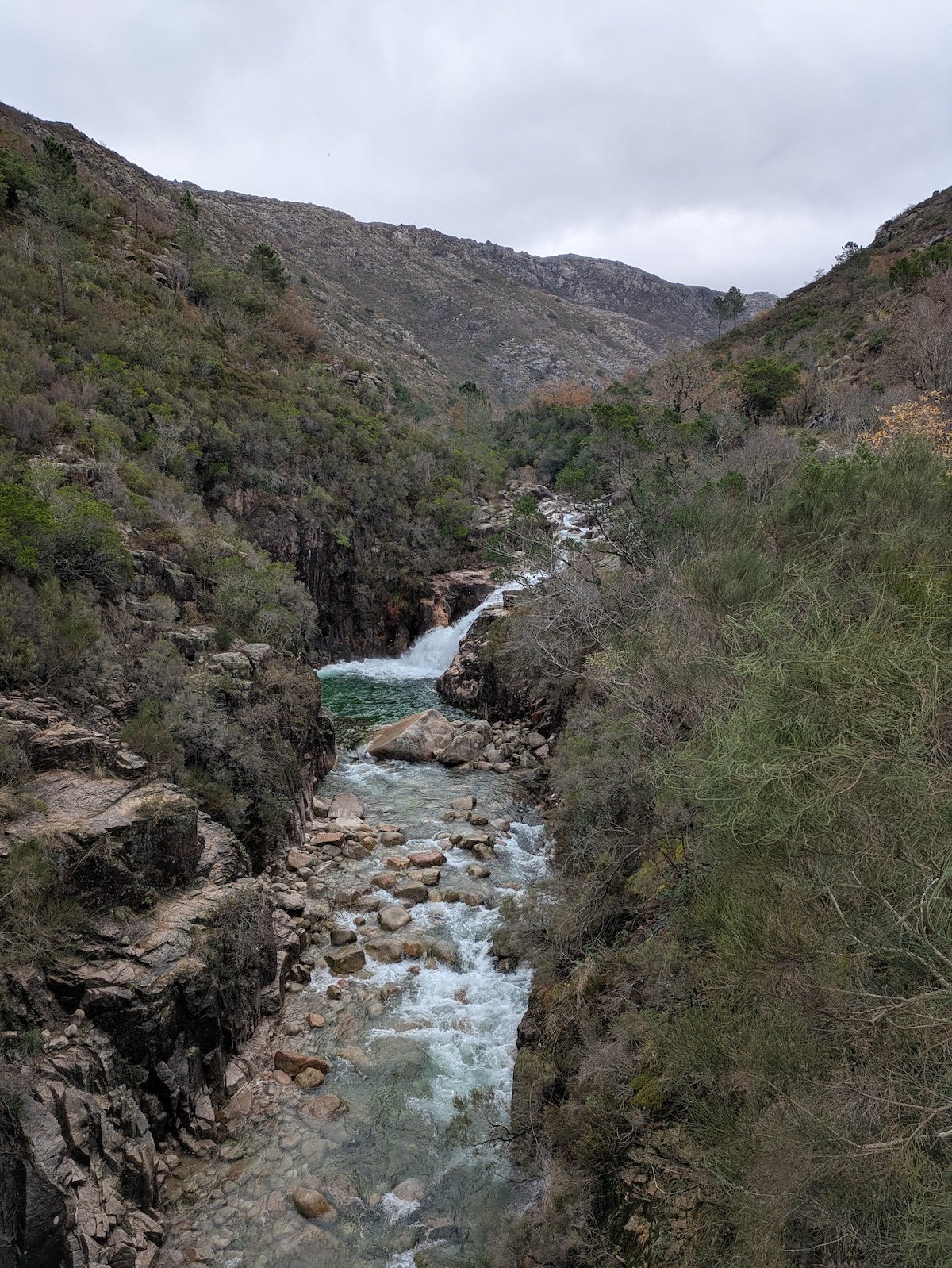
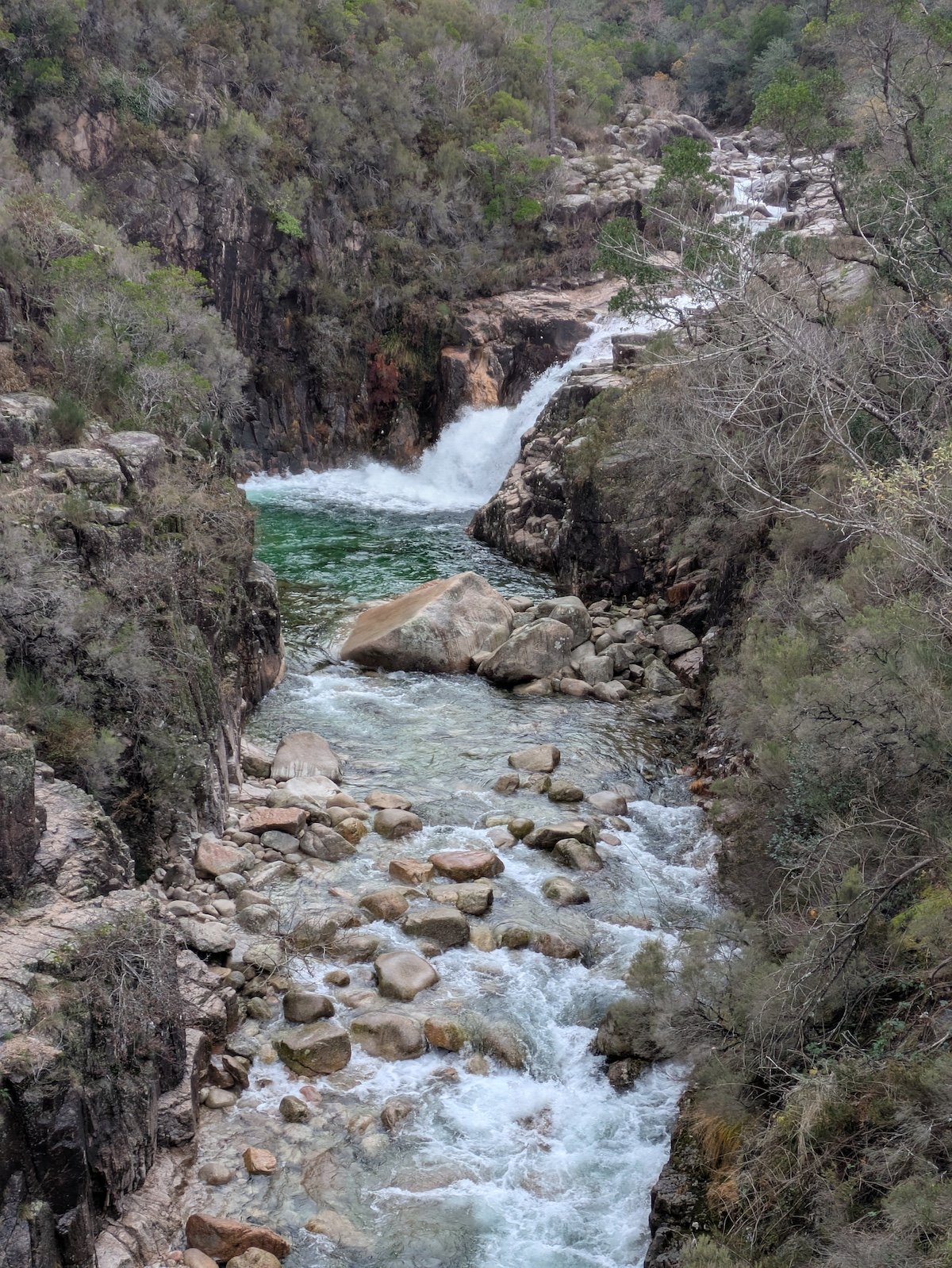
Our next aim was the Portela do Homem waterfall, right up near the border. The drive there alone is worth it—winter roads, dense forest, and hills dressed in soft autumn-like colours, even though it was December.Near the waterfall, we saw remnants of the old border days—faded structures and graffiti-marked walls, symbolic of a time when Europe had stricter crossings and checkpoints.
The waterfall itself is stunning, but here’s the catch: access and parking are awkward. It’s close to the road, but there’s no proper parking right there, and the fines for stopping illegally are heavy. We didn’t want to risk it. We tried parking further ahead, but the walk back felt longer than expected—so we enjoyed it the best way we could: taking photos from the road and soaking in the view before continuing.
Pedra Bela Viewpoint: the “sit and stare” kind of view
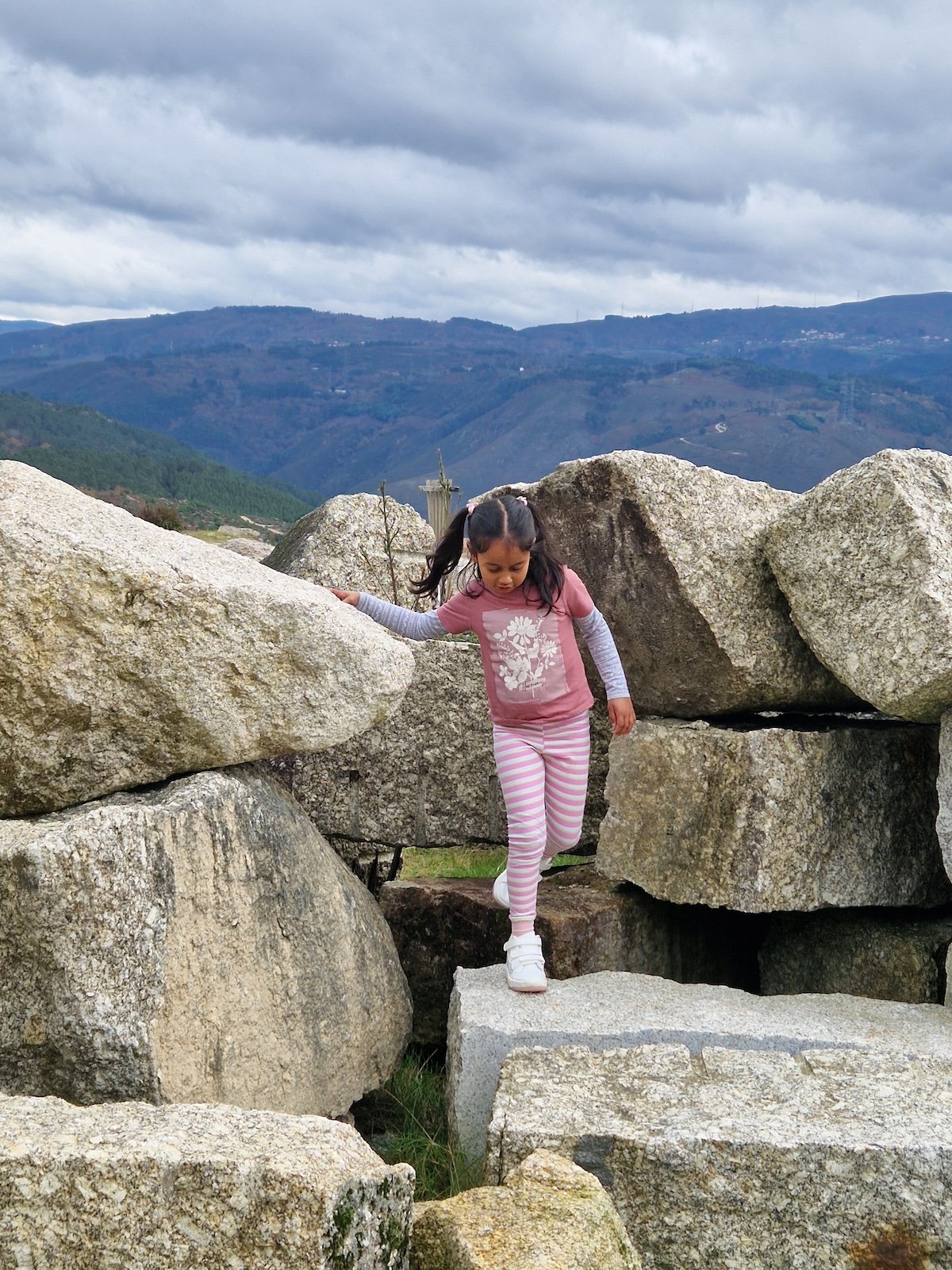
If there’s one place that felt like a reward for the drive, it was Pedra Bela viewpoint.In summer, you’re told to park far away and walk because it gets packed. But in December? It was almost effortless. We were able to park just about 50 metres from the viewpoint, and there were barely any cars around.
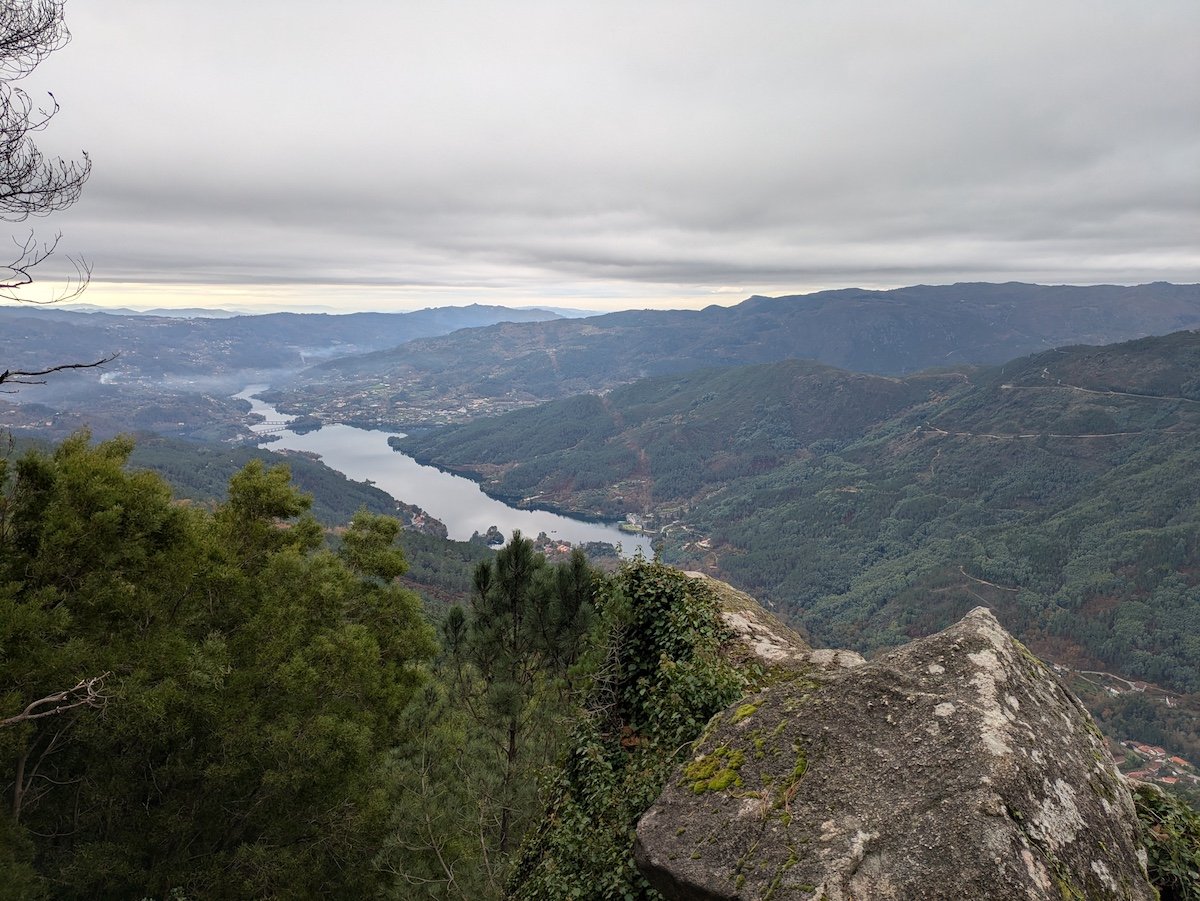
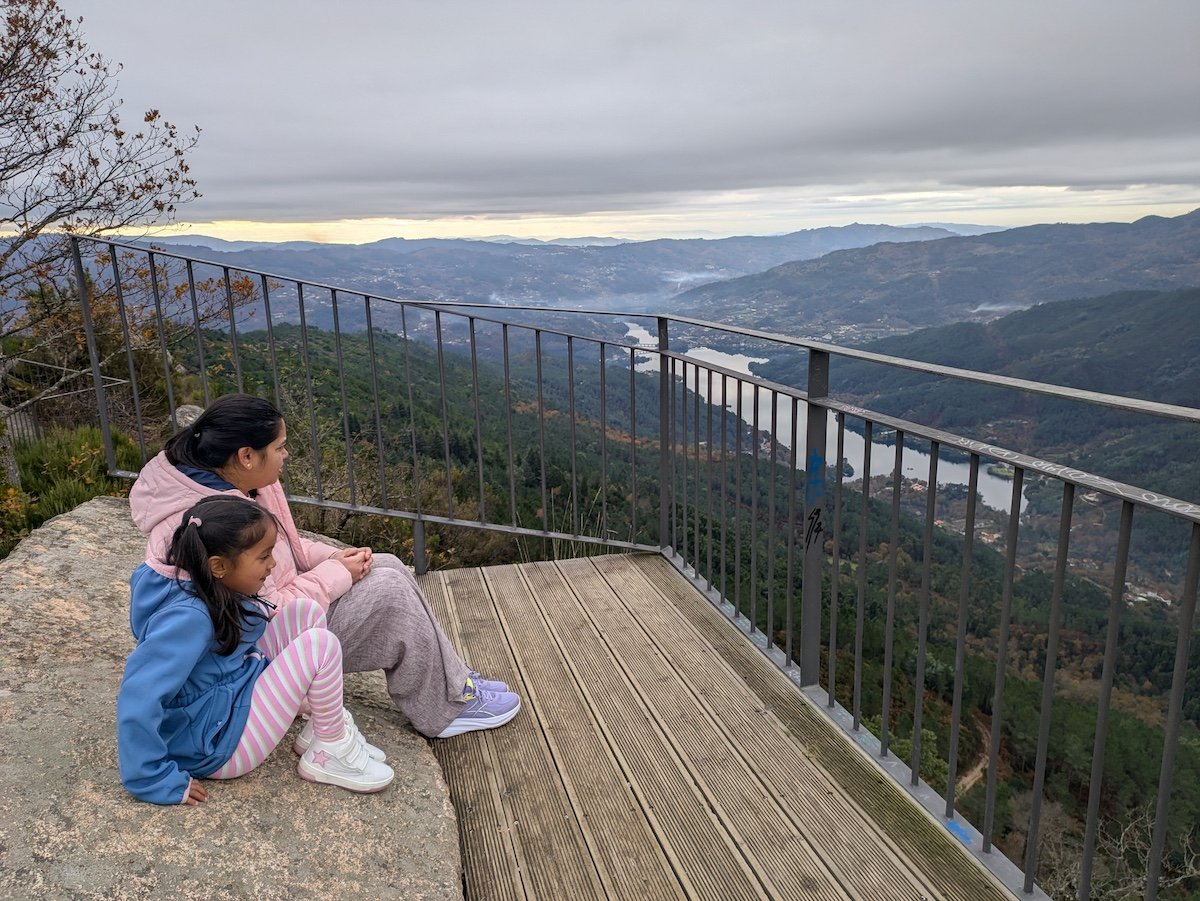
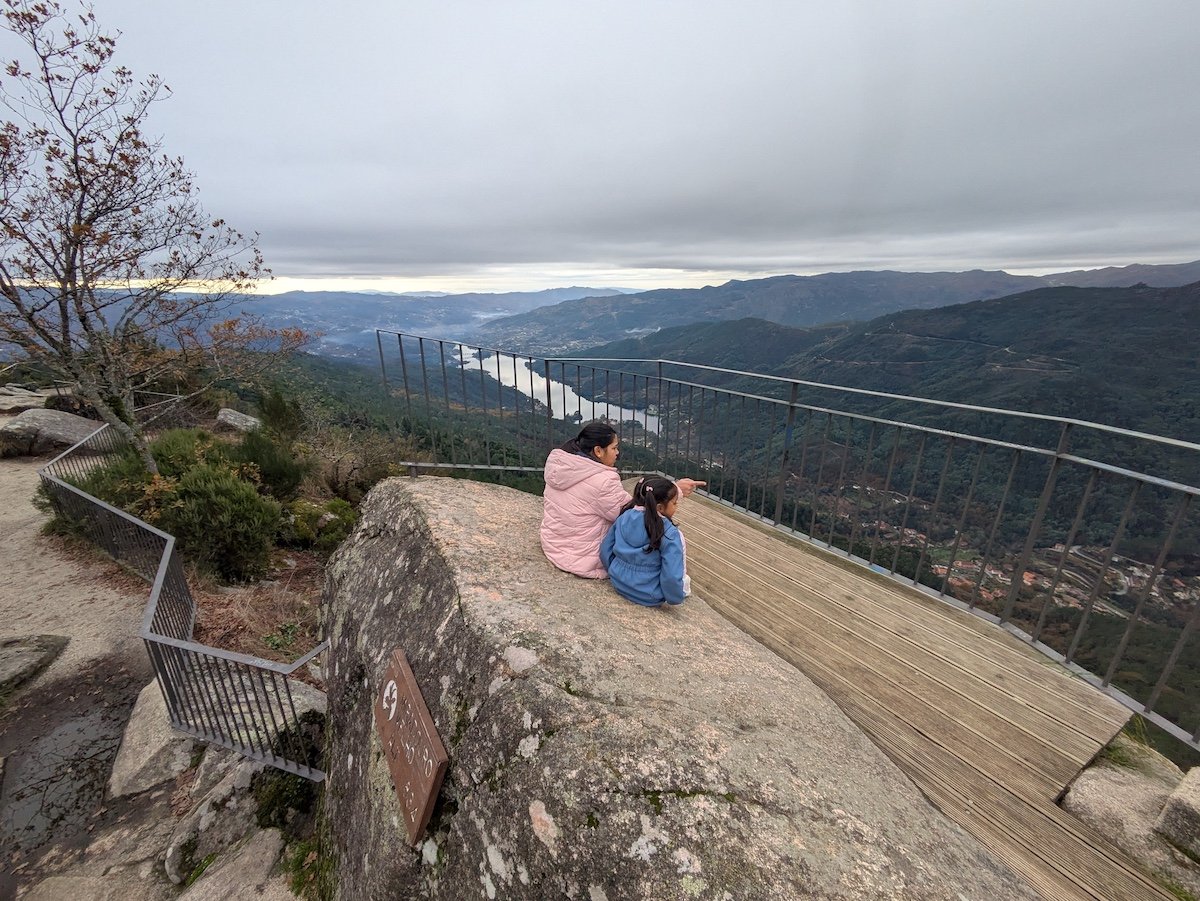
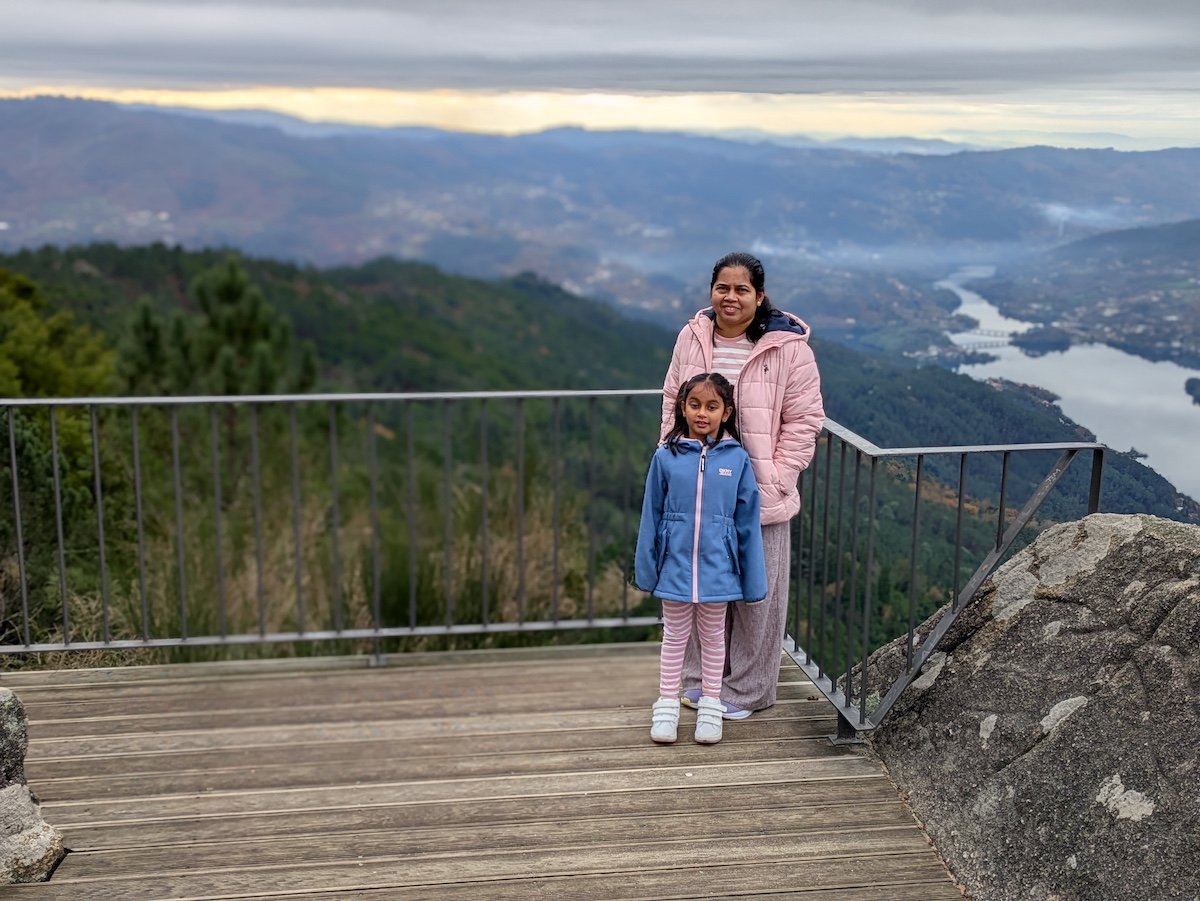
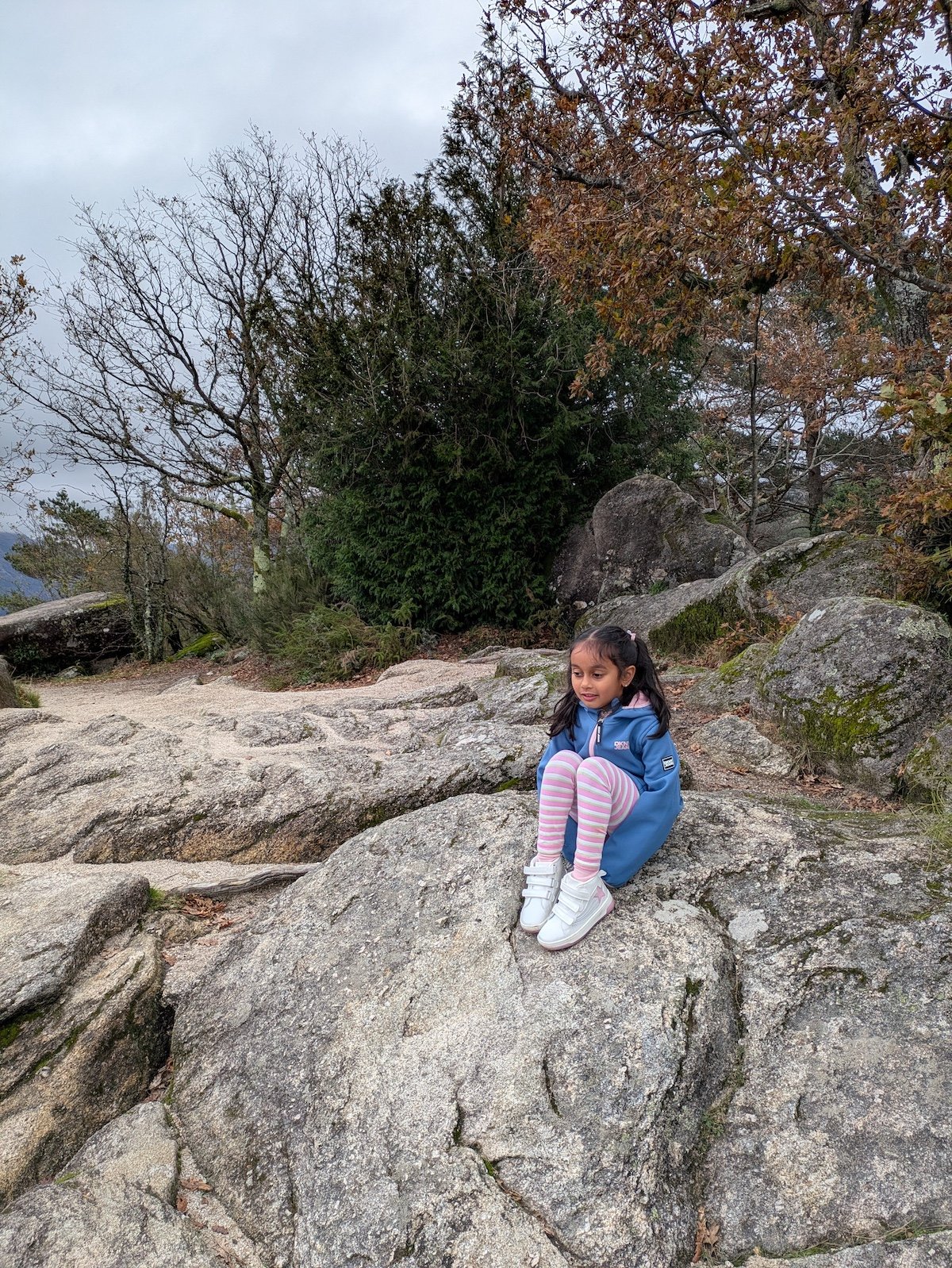
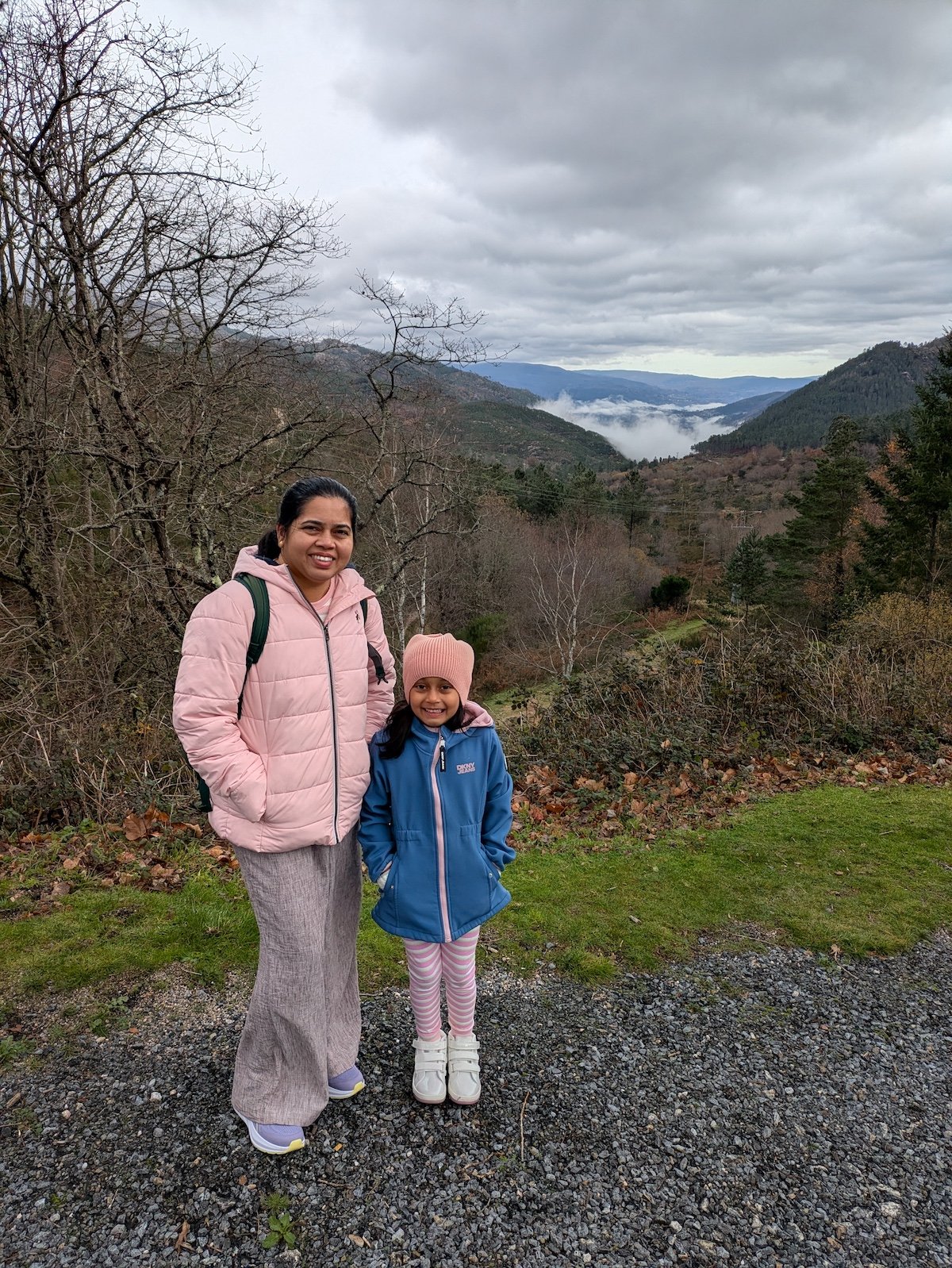
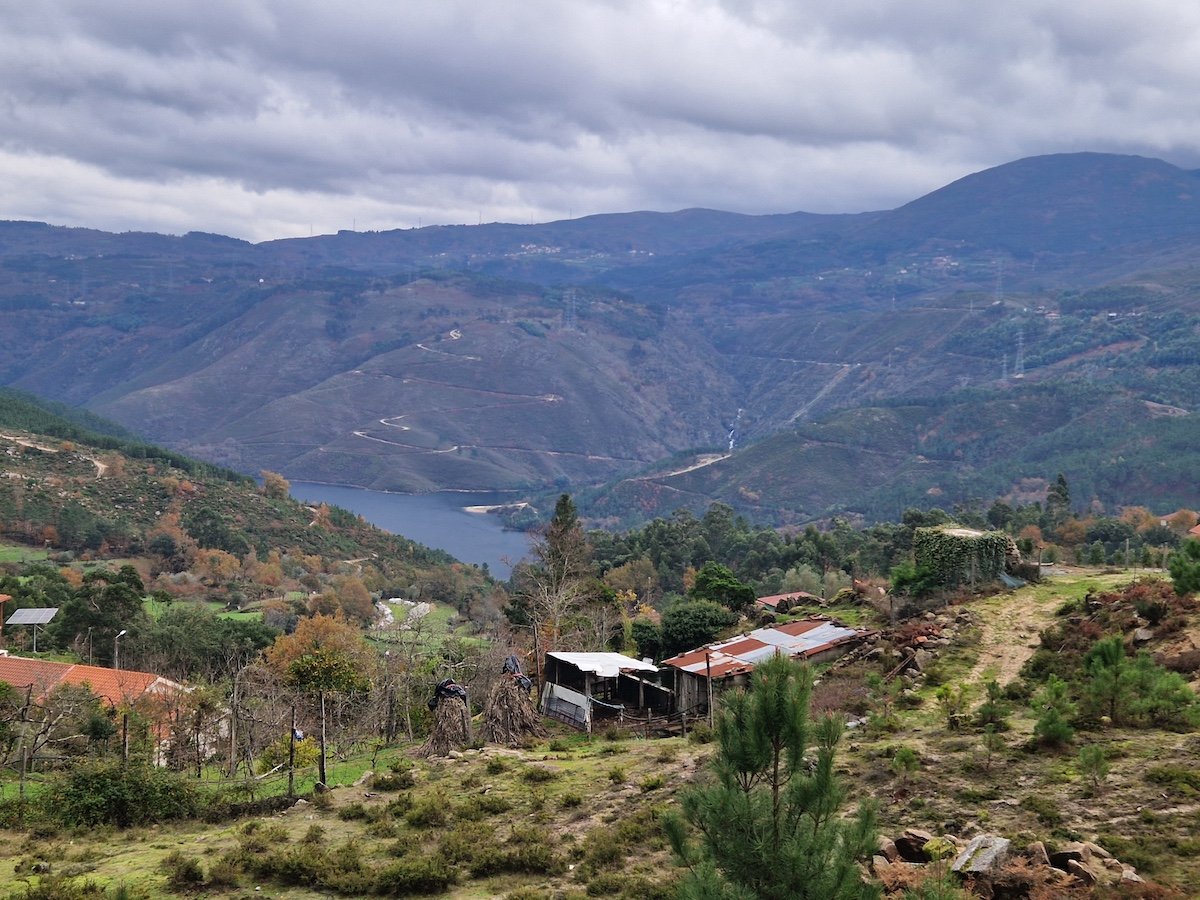
We spent a long time here—because this isn’t a “quick photo and go” stop. From the viewpoint, everything opens up: layers of hills, valleys dropping away beneath you, and that sweeping, cinematic feeling of being very small in a very beautiful world. We just stood there quietly, taking it all in.
Arado Waterfall: the best stop for families (and one of our best moments)
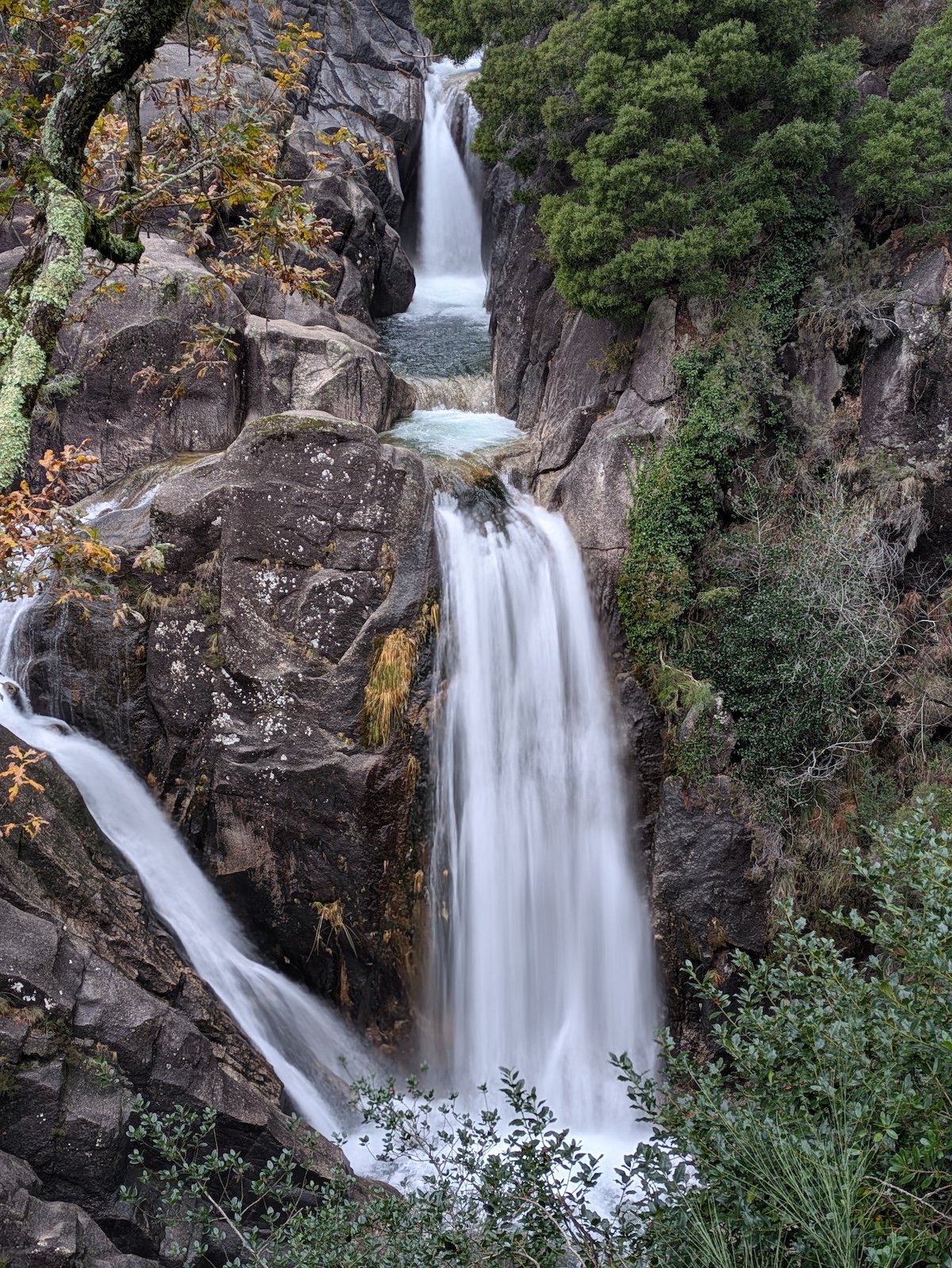
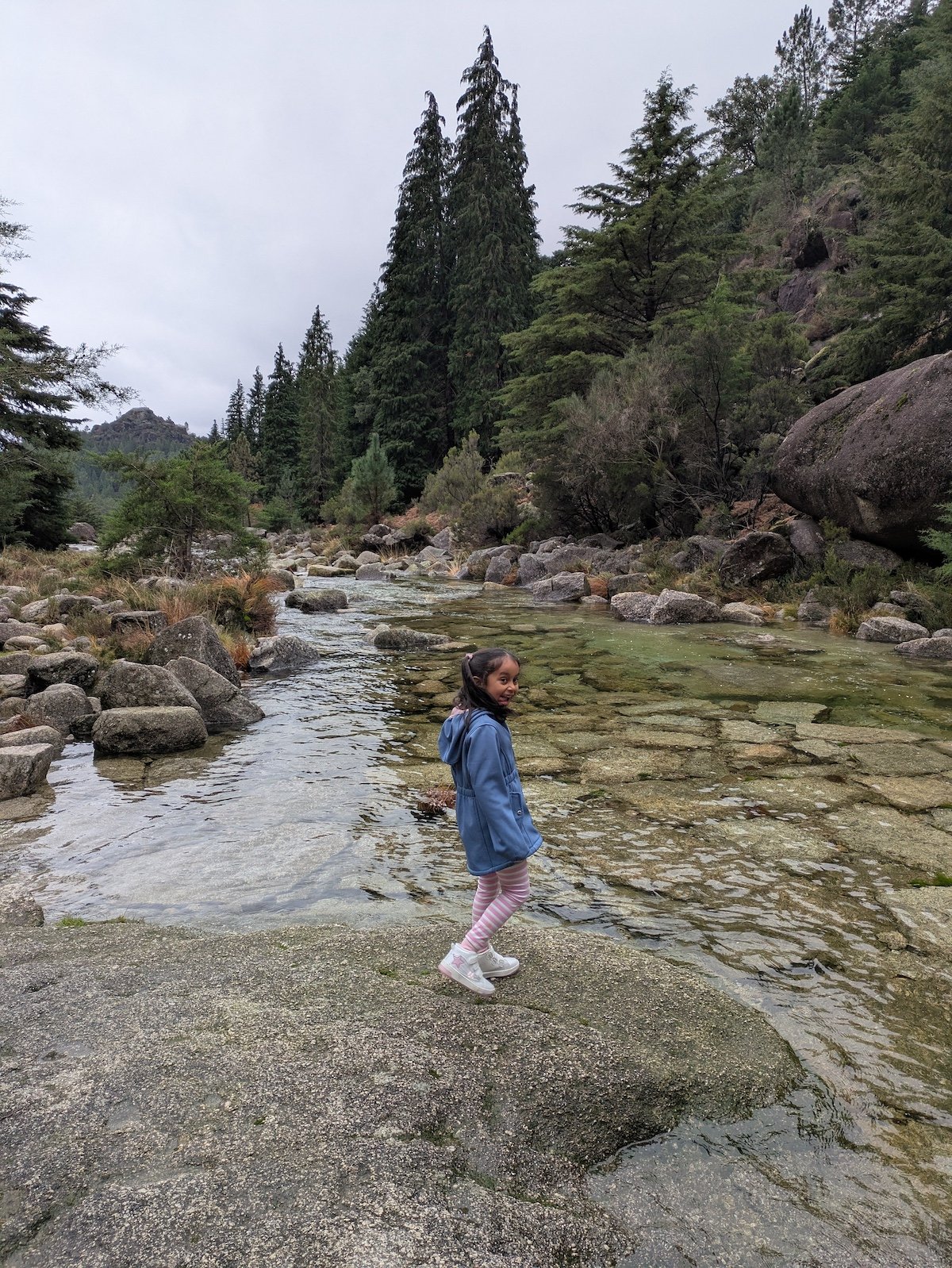
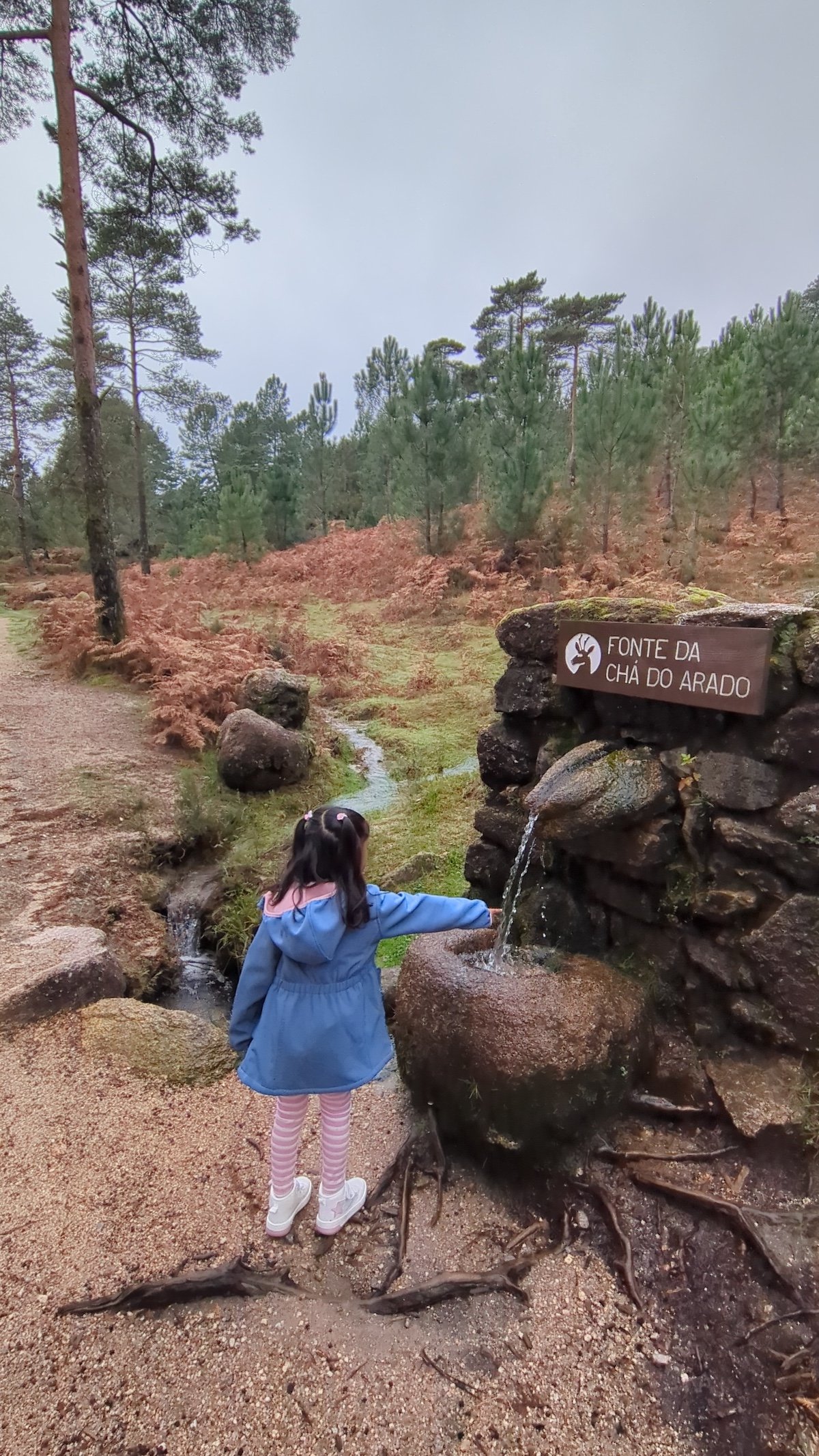
From there, we continued deeper into the park, stopping here and there for quick scenic breaks along the road. Eventually we reached Arado Waterfall—and this one turned out to be the most family-friendly waterfall we visited.Arado is special because it isn’t just about the waterfall itself. Downstream, the water creates little pools, the kind that kids immediately gravitate toward—perfect for splashing and exploring.
In peak season, you usually have to park far away and walk a muddy trail up to the falls. We started that walk, assuming it would be the same. But again—December surprised us. It was fully deserted.So I went back to get the car while Addy and Amoli continued on foot, and we ended up parking right next to the waterfall (with only one other car in sight).
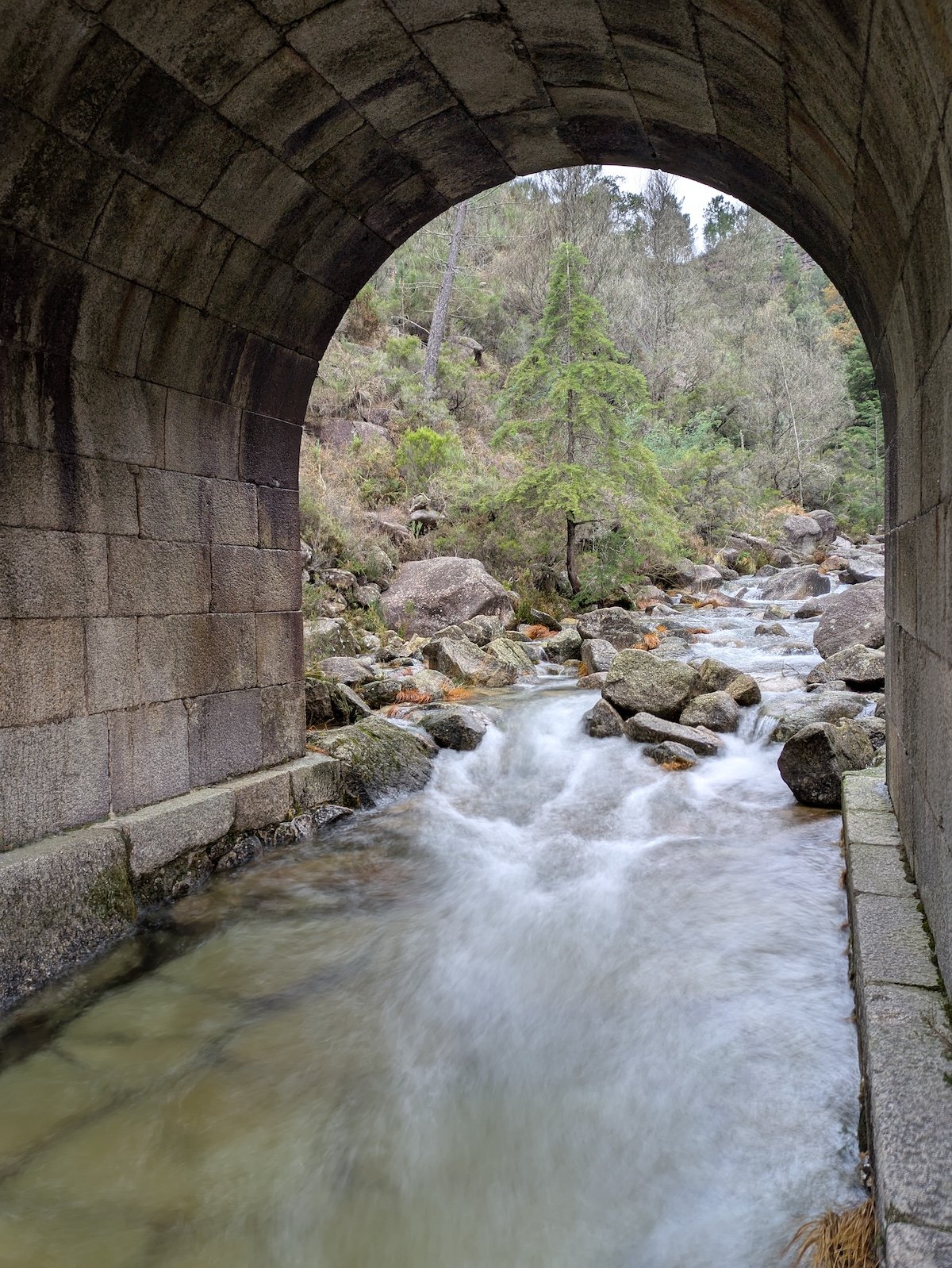
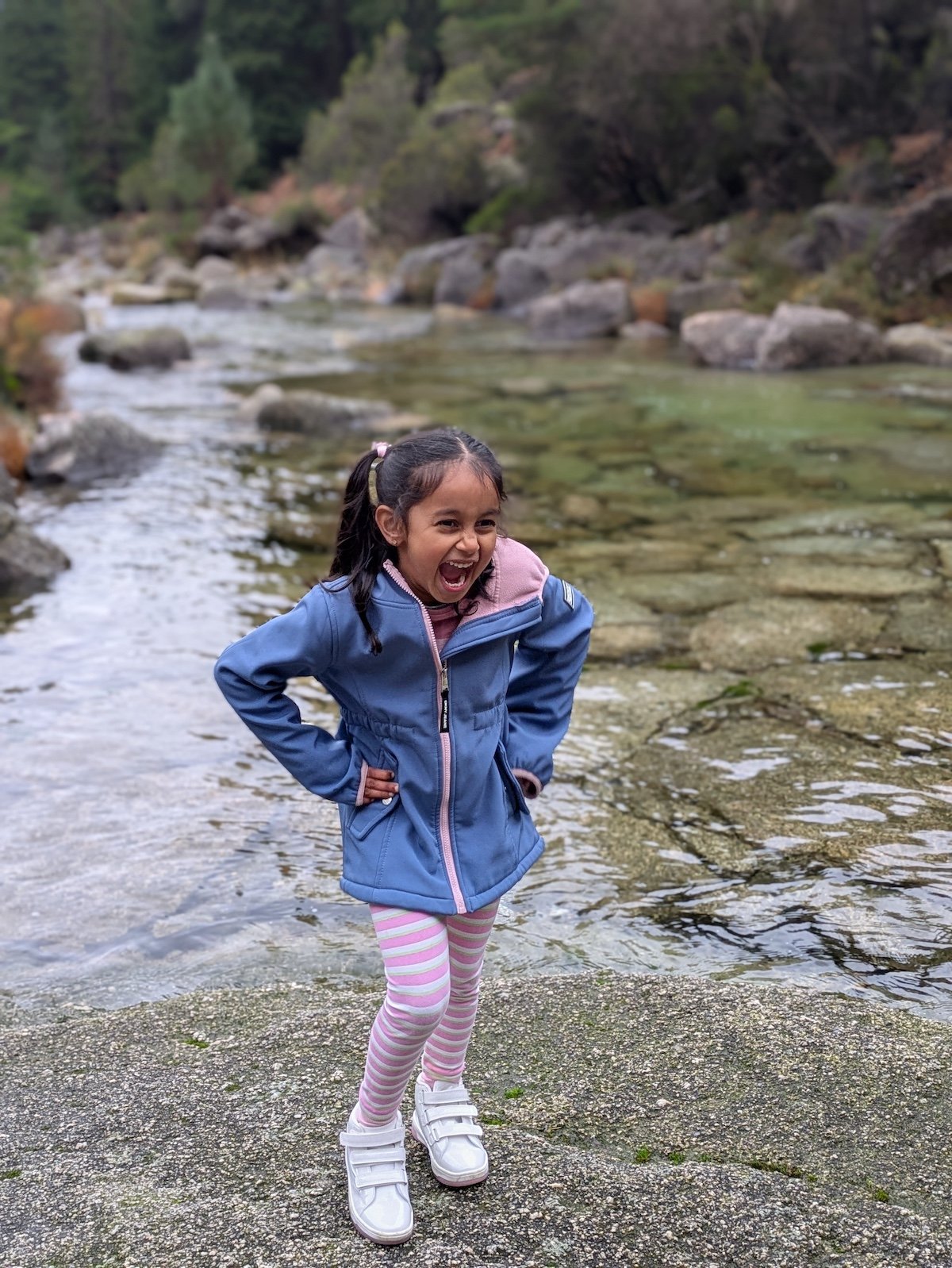
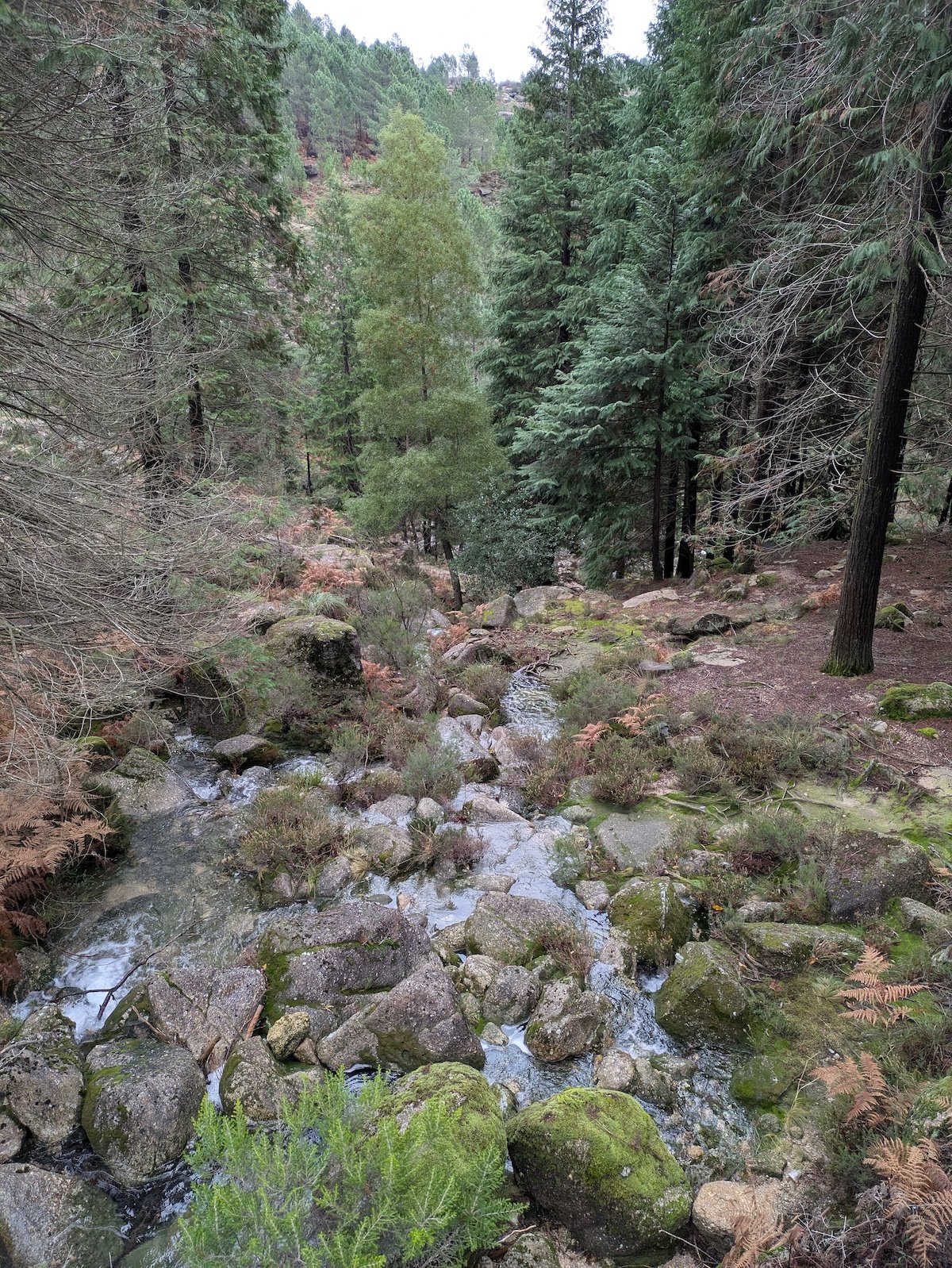
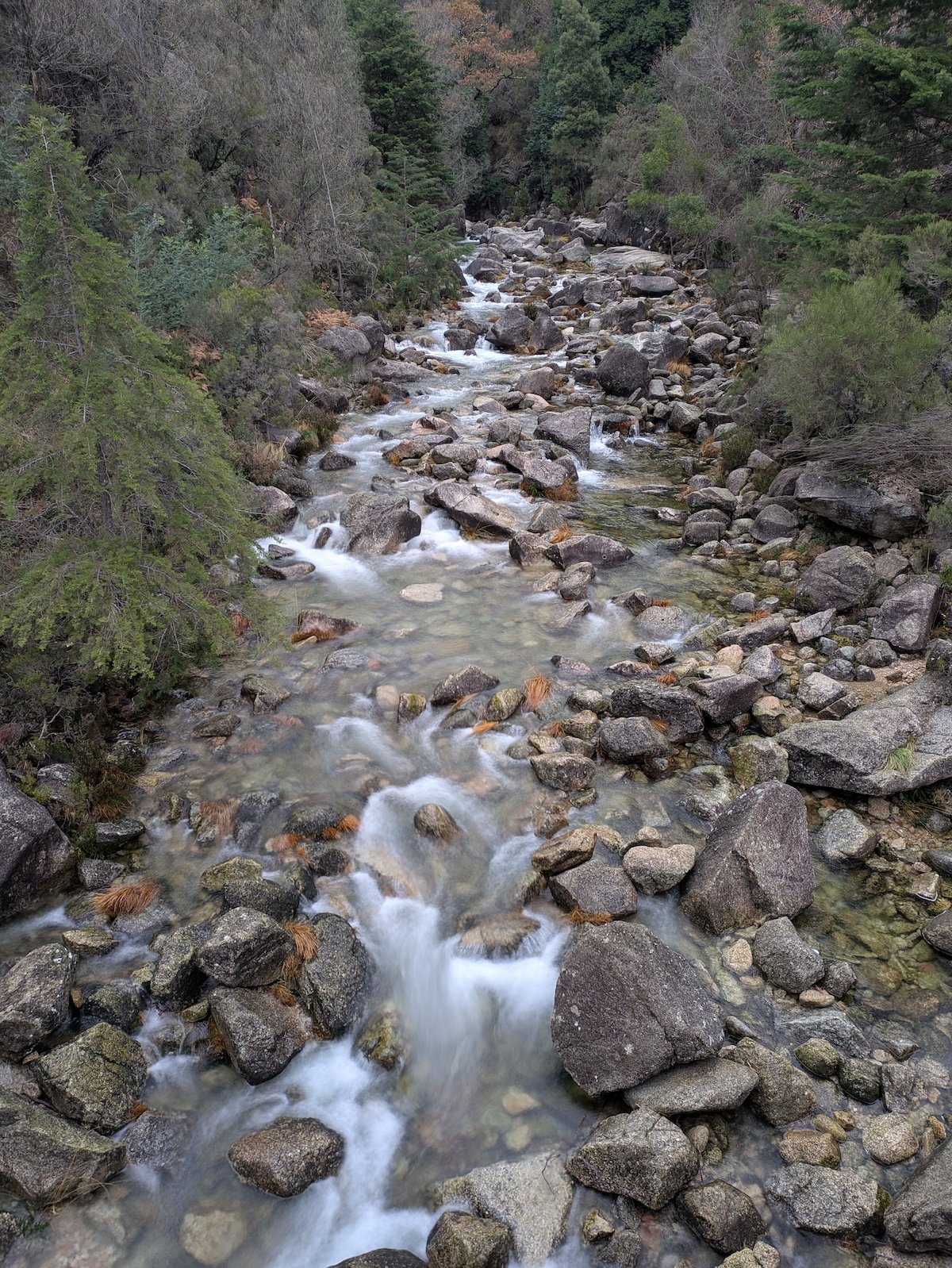
The waterfall was powerful—you can’t safely get too close—but it tumbles down dramatically, passes under a beautiful stone bridge, and flows into a river that carves out those playful pools below.And that’s where the day slowed down in the best possible way.We went down near the bridge and spent time by the water, and honestly, this became one of the best moments of the trip: just me, Li and Addy, playing by the pools, laughing, splashing, and enjoying something simple that will probably stay in our memories far longer than any photo.
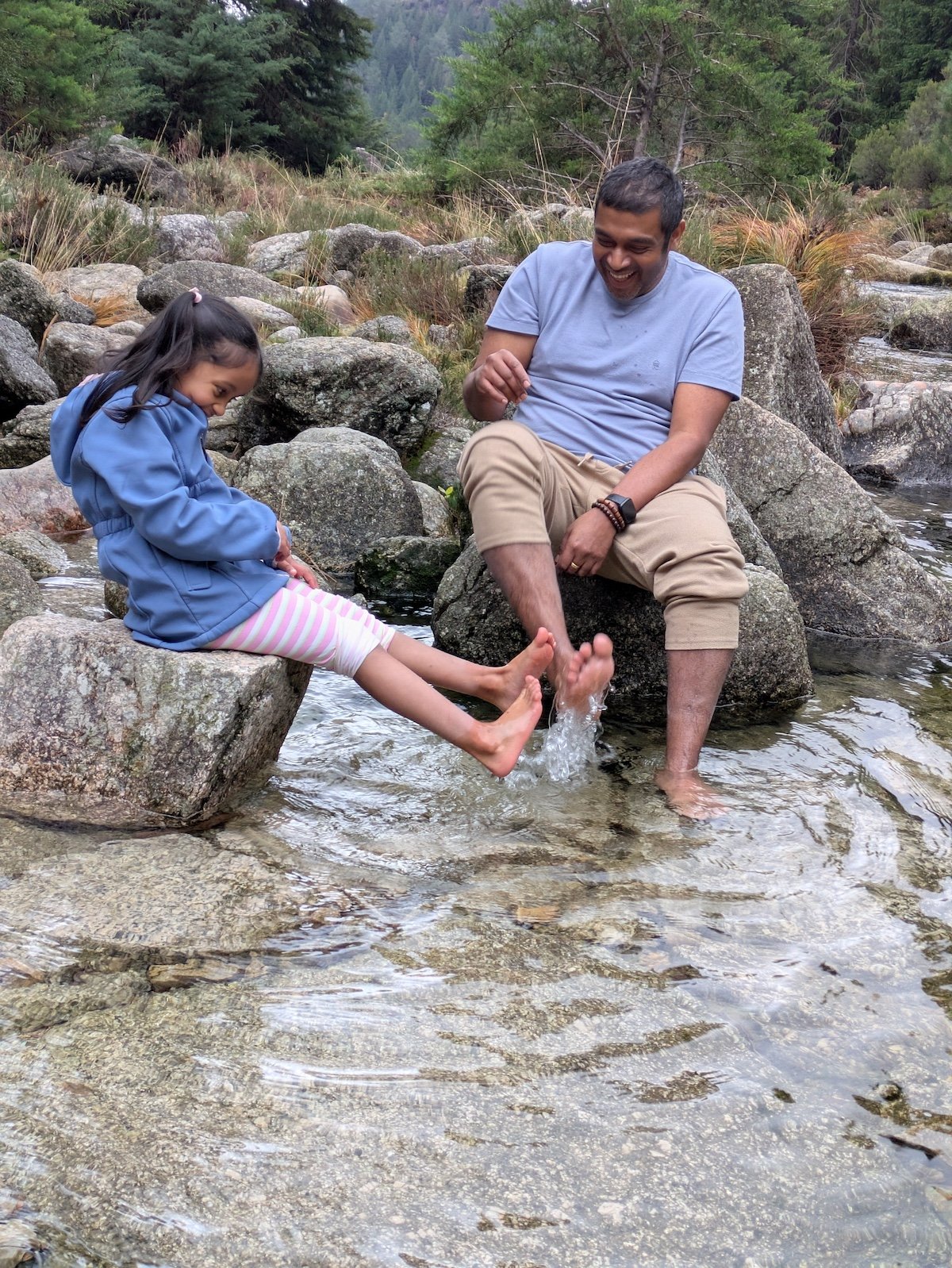
One thing to remember if you’re doing this in December: it gets dark fast. The light fades earlier than you expect, and on these roads the darkness feels even deeper because you’re far from city lights. Also—fair warning—some of these routes are very narrow and steep, with sharp bends. It’s stunning, but you need to drive carefully and take your time. So we had to say goodbye to Arado (though didnt want to) and make our way further down to Fafião Viewpoint.
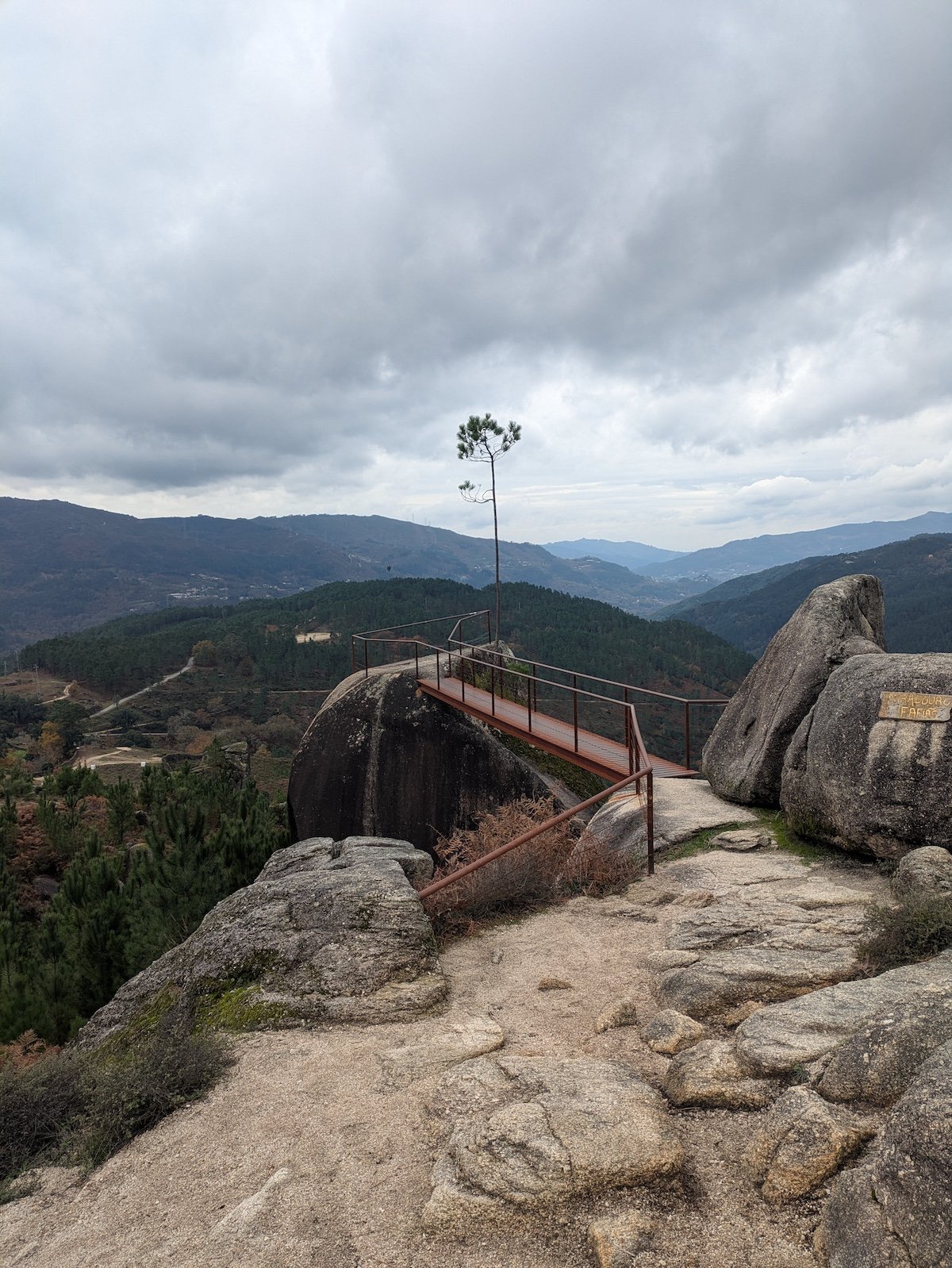
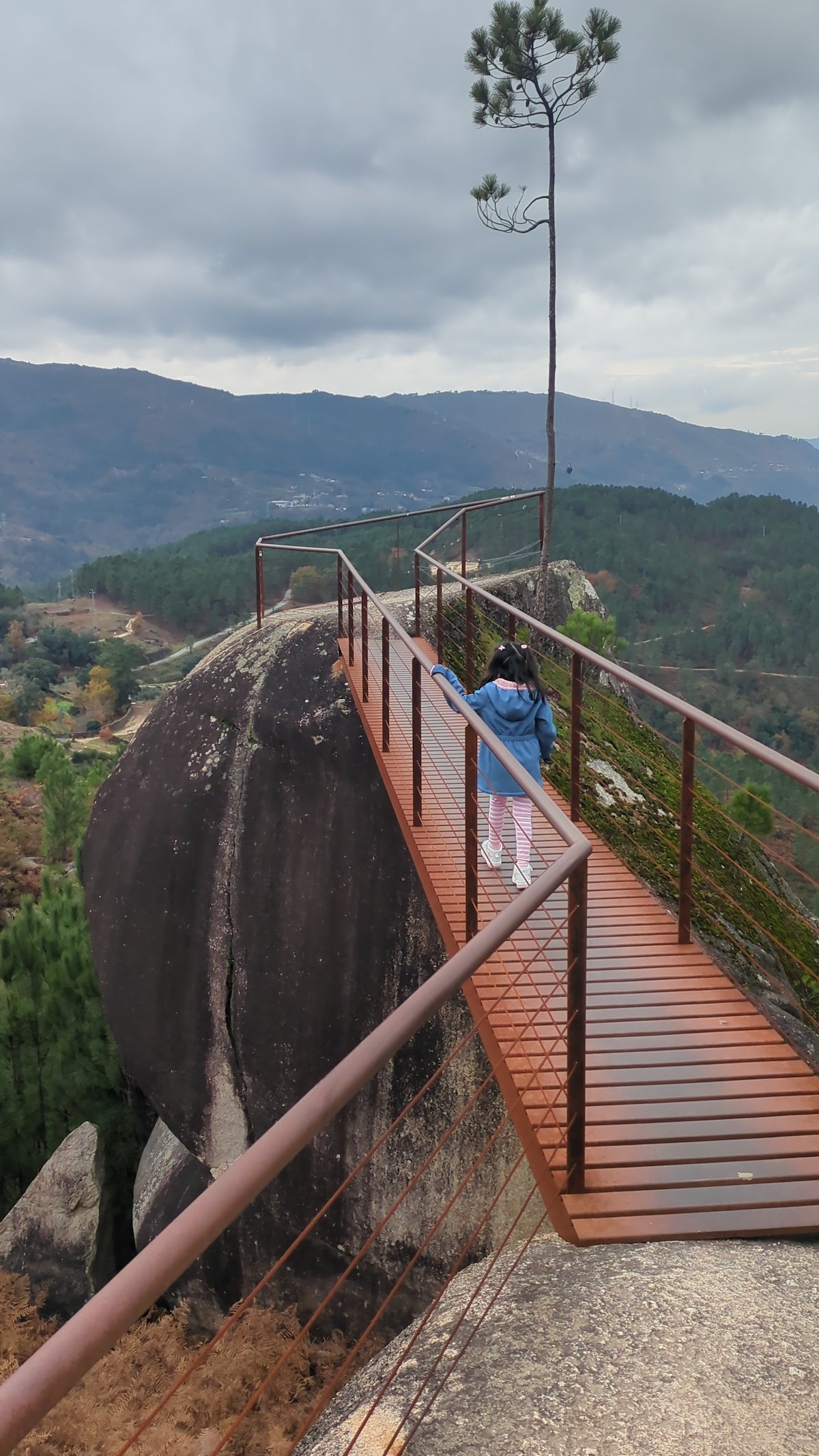
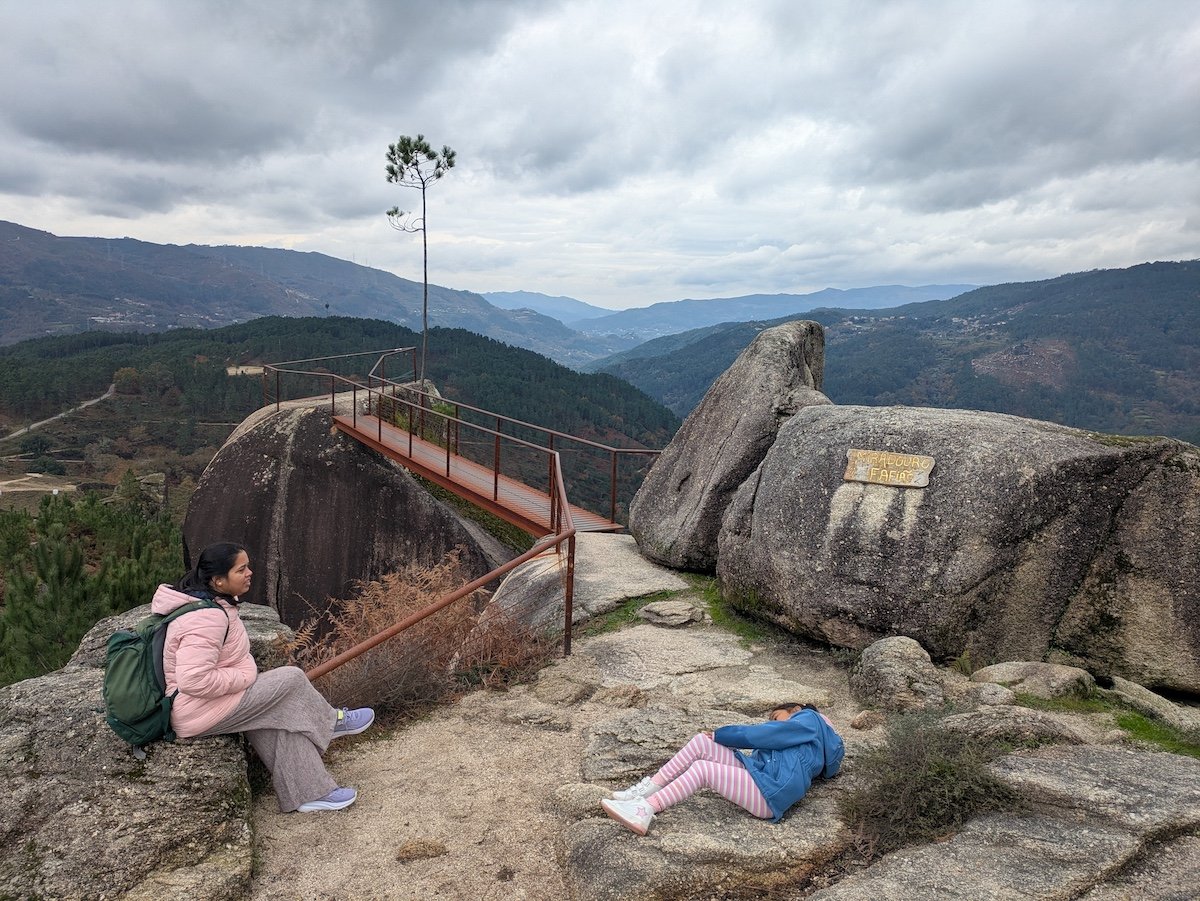
Fafião Viewpoint:A lesser-known viewpoint: quiet, mysterious, and absolutely worth it
Back down the hill (and a well-earned reward)
Back at the farm: the fireplace became the main event
When we got back, Addy discovered her “holiday hobby” for this trip: feeding the fireplace. She was completely fascinated by it—choosing different pieces of wood, watching the flames change, seeing how quickly some burned versus others. We ended up buying extra firewood, and she happily spent the evening tending the fire like it was her personal project.
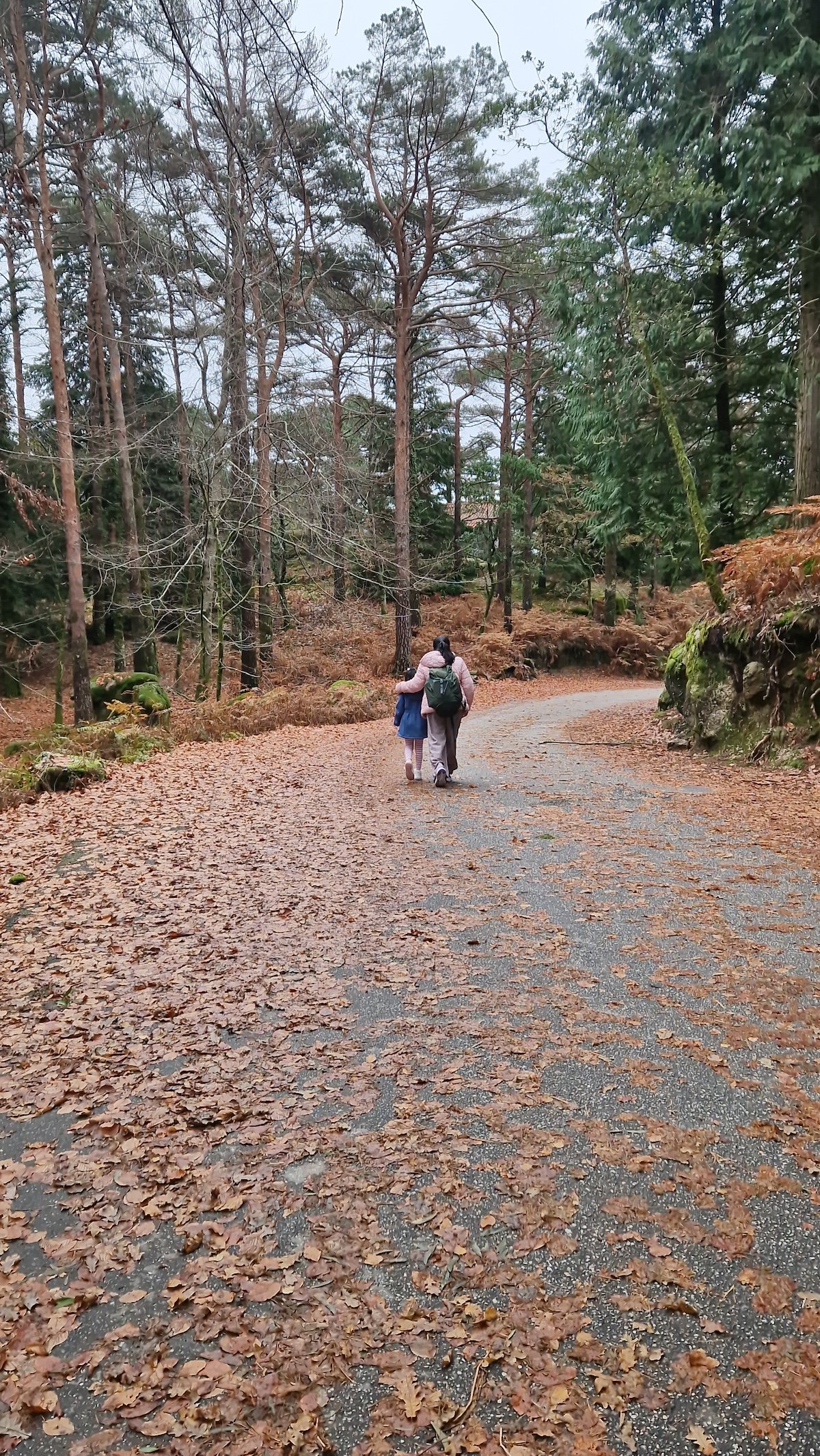
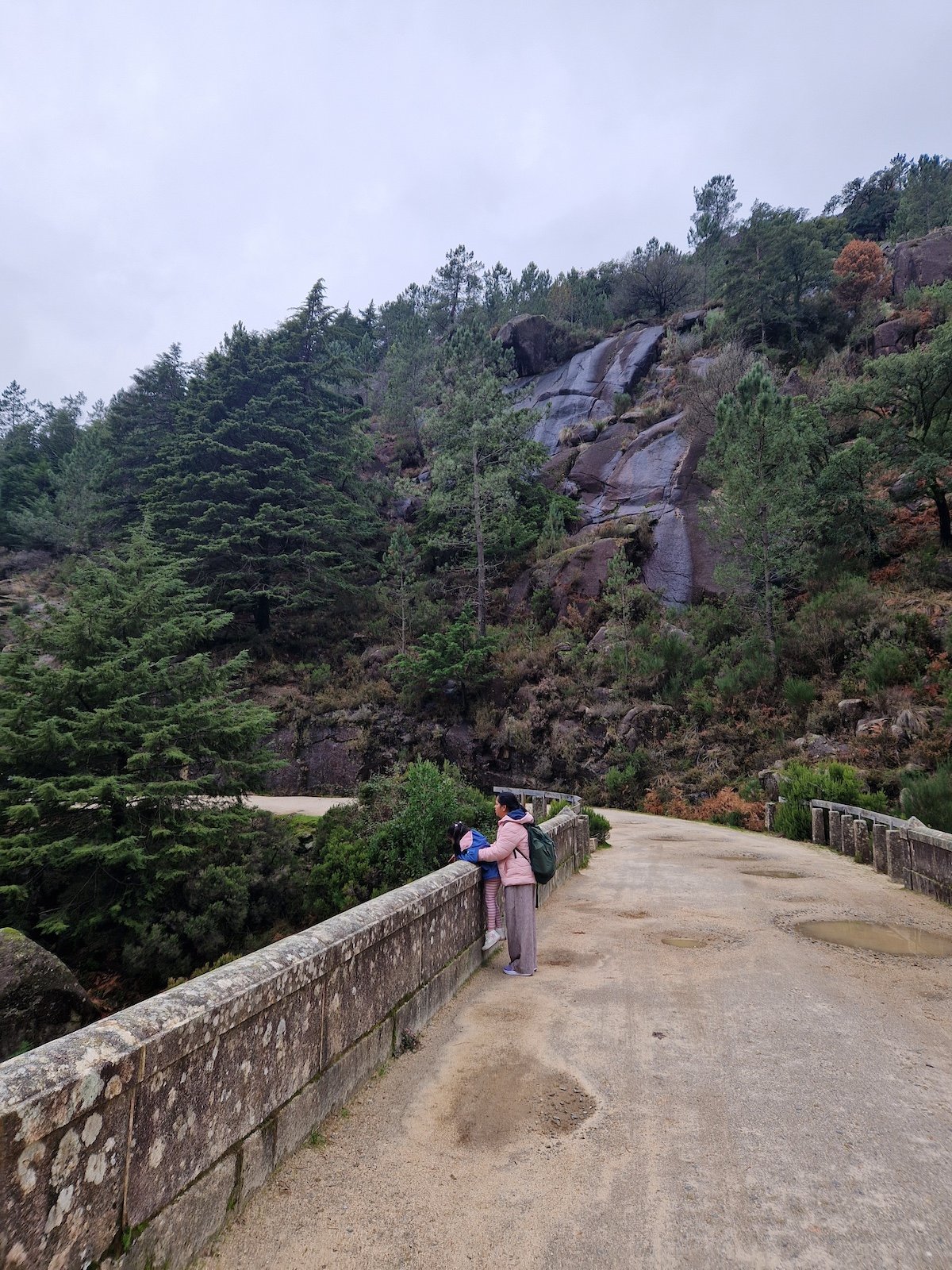
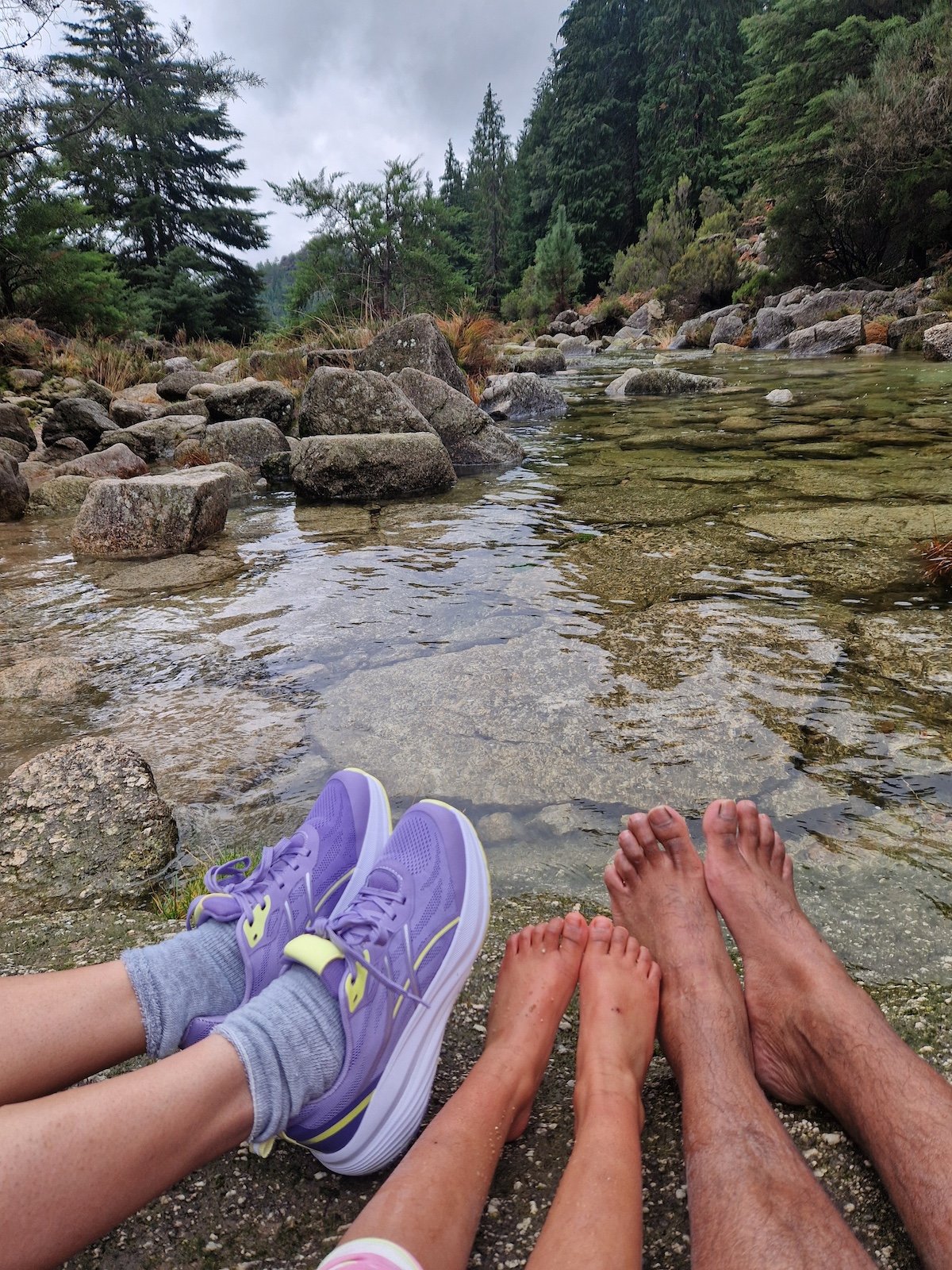
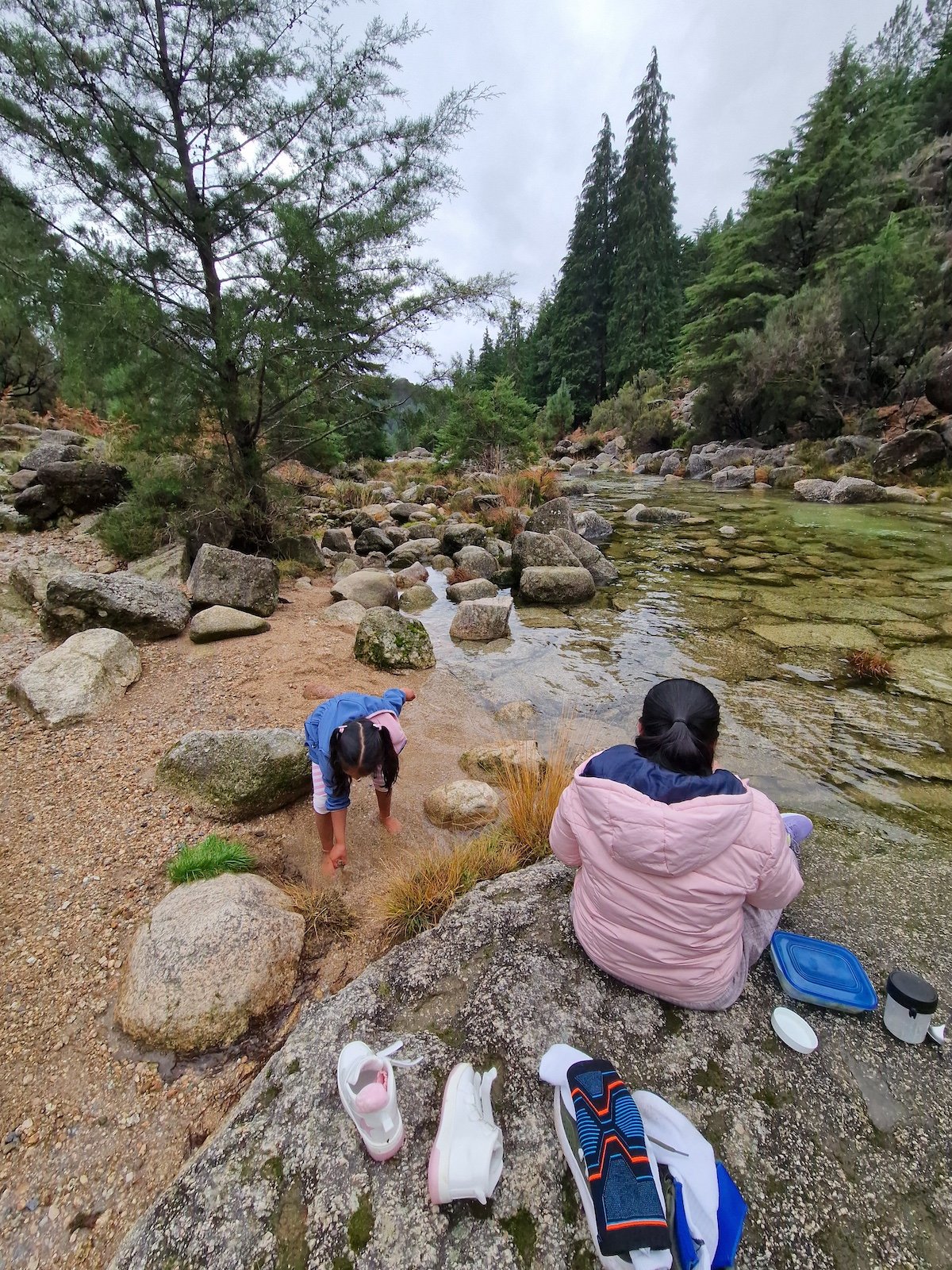
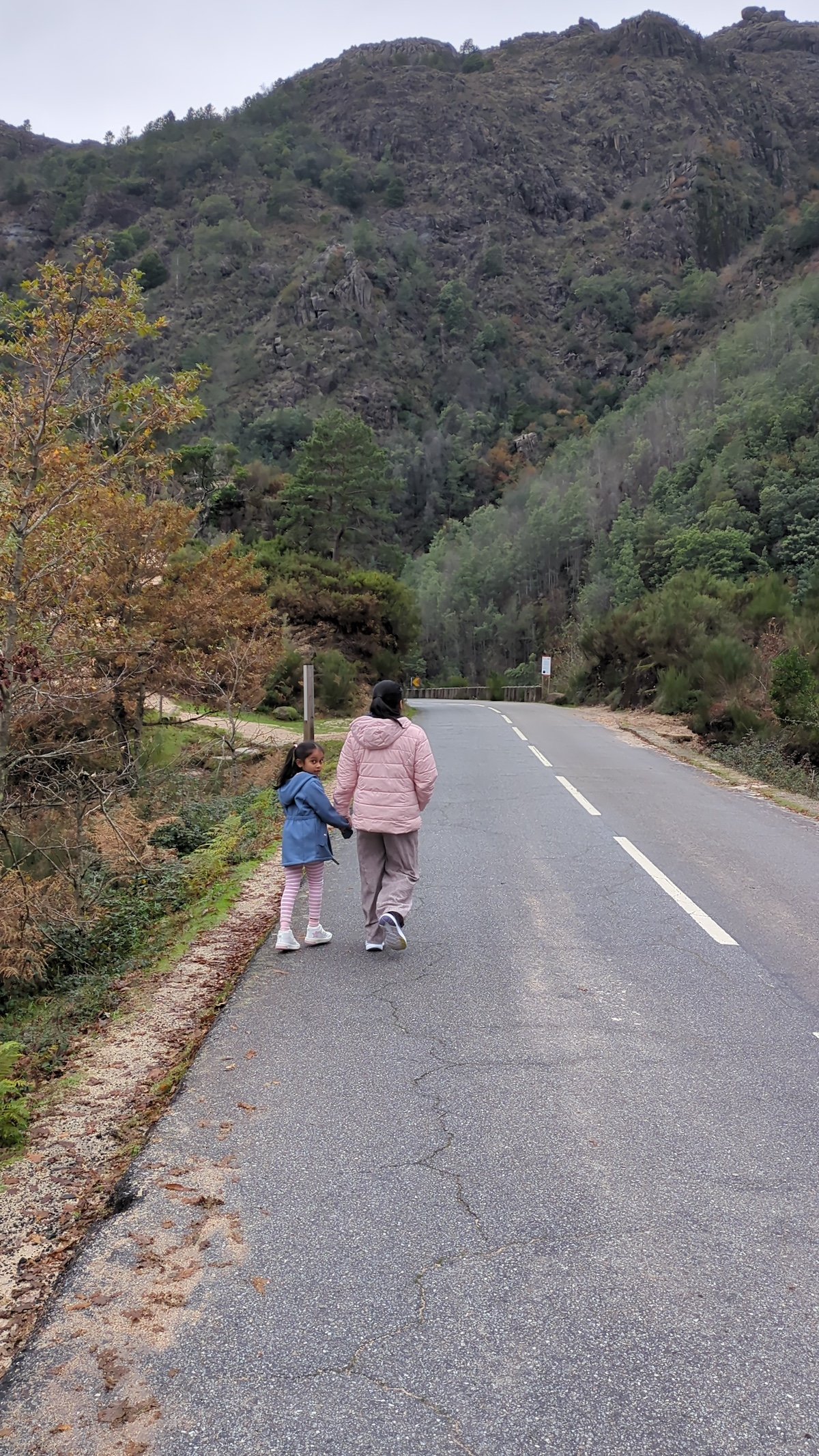
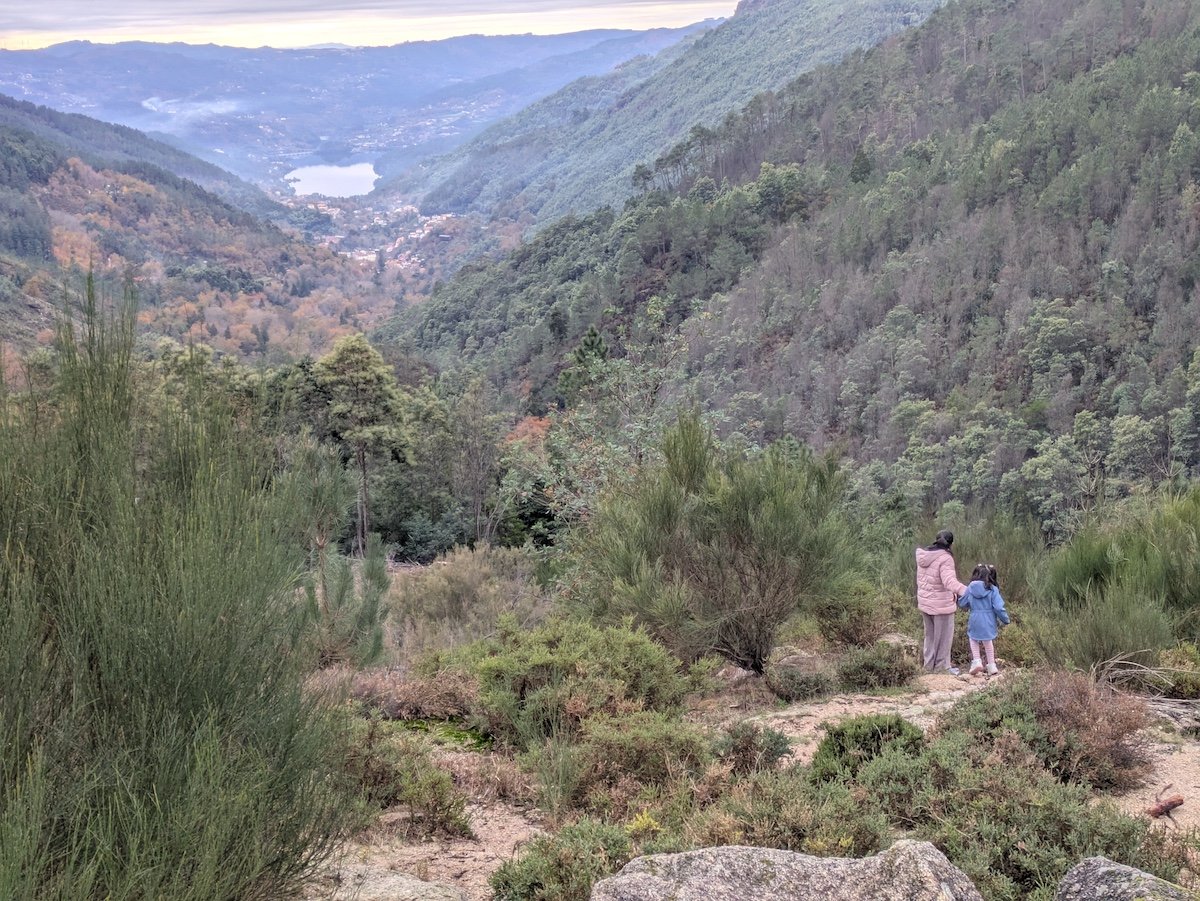
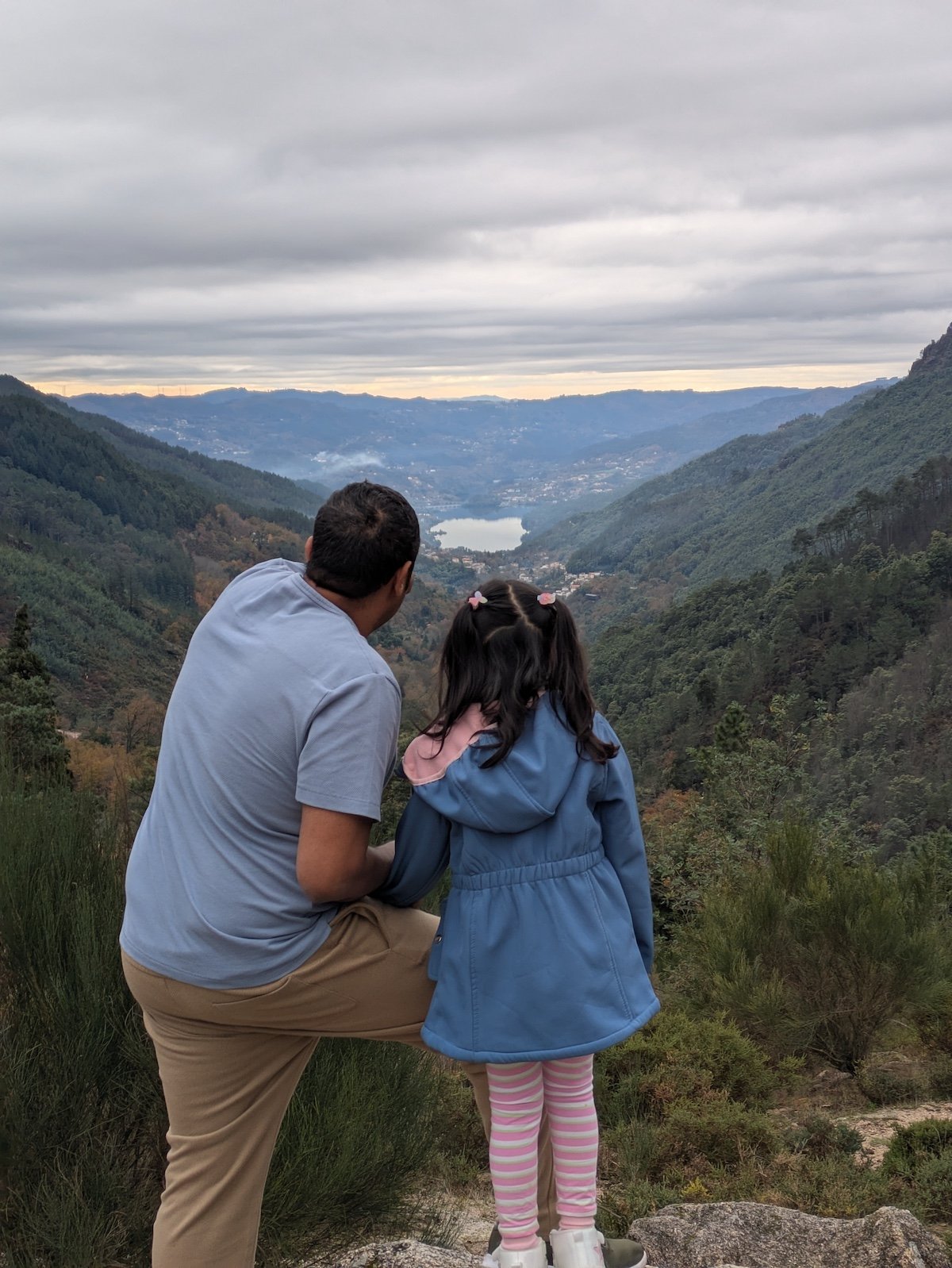
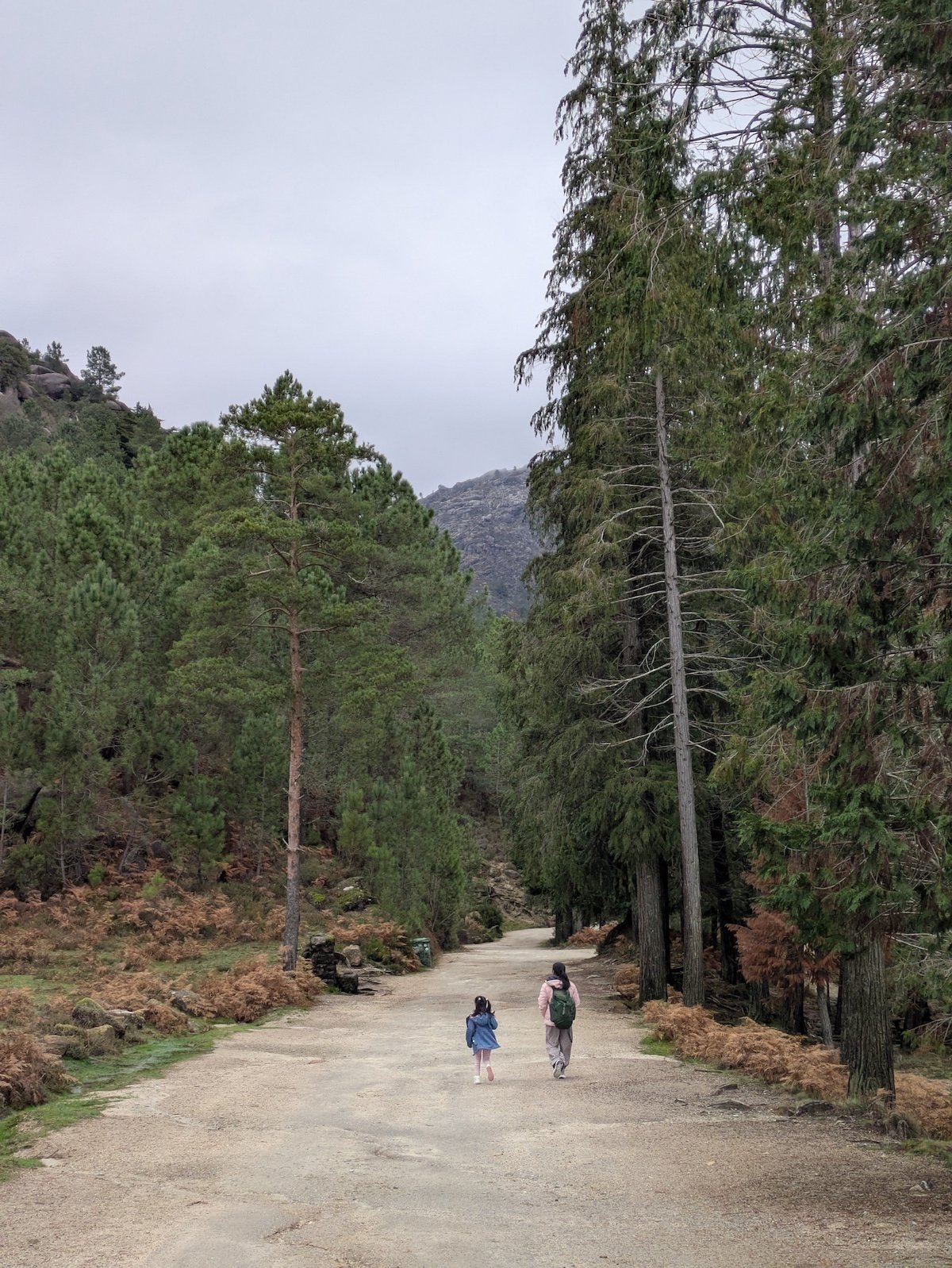
Day 2 wasn’t about cities or famous streets—it was about quiet roads, wild landscapes, and the kind of peaceful family time you don’t plan, but end up cherishing the most.


This is Aldrin and my partner Amoli. We bring you "Earths Pilgrim" - a unique insight into our travel escapades while leaving life in a cubicle. If you are looking for some inspiration to break the shackles of a regular life, then you are the right place. Read more about us- Click here.