- The Long Road to the Wild: Arriving at Kruger National Park
- Kruger – Into the Wild: Skukuza to Satara
- Kruger – Cheetahs at Dawn, Grasslands at Dusk
- Kruger – The Ghost of the S100 and The Afternoon That Changed Everything
- Kruger: The Leopard Beneath Our Window
- Kruger : The Day We Almost Didn’t Go
- Kruger: The Last Hunt & the Long Goodbye
We came for the Big Five. We stayed for something bigger. And when it was time to leave, the bush made sure we’d never forget the way it said goodbye.
Days 6 & 7 — Chasing the Rhino, a Pride on the Sand, and Farewell to Kruger
DAY 6 — The Rhino Quest
One Missing Piece
By Day 6, our Kruger scorecard read like a wildlife dream:
🐆 Leopard — multiple sightings, including one beneath our car window
🐆 Cheetah — three separate encounters, including a sunset crossing
🐘 Elephant — herds, lone bulls and more
🐃 Cape Buffalo — at distance and up close
🦁 Lion — a fleeting roadside glimpse, then four males on the night safari
🐾 African Wild Dogs — twenty-plus on the road in golden hour
But there was a gap. One empty checkbox. One member of the Big Five that had remained invisible throughout our entire trip.
The Rhinoceros.
The rhino is Kruger’s ghost. Poaching has devastated their numbers so severely that SANParks no longer publishes rhino population data — the information itself has become a weapon in the wrong hands. Seeing one in the wild is no longer a matter of patience or skill. It’s a matter of pure, dumb luck. But the night before, at the sightings board in the Skukuza camp — that communal noticeboard where visitors pin their day’s encounters like proud children showing off homework — we’d met a family. A little girl, not much older than Addy, had tugged her mothers sleeve and told us, with the breathless authority of a child who knows she has important information: “We saw TWO rhinos! At Berg-En-Dal!”
Berg-En-Dal. The loop road far to the south of Skukuza. Rocky terrain, different vegetation, known rhino territory. Should we go? It was a long drive. No guarantees. The rhino might have been a one-day wonder, already moved on. The logical thing was to spend our last full day on proven roads.
But instinct — our faithful, irrational, gloriously stubborn companion — said go. So we went.
Lion for Breakfast
We took the H3 south in the early morning, the road unfurling through dense bushveld that was slowly transforming — the flat mopane woodland giving way to hillier, rockier terrain as we pushed towards the southern reaches of the park.
First sighting of the day: a hyena, trotting along the roadside with the busy, slightly guilty energy of a creature heading home from a long night’s work.
And then — a car stopped ahead. We slowed. Looked. A lion. On the road. A single male, walking with that heavy, unhurried authority that only lions possess.
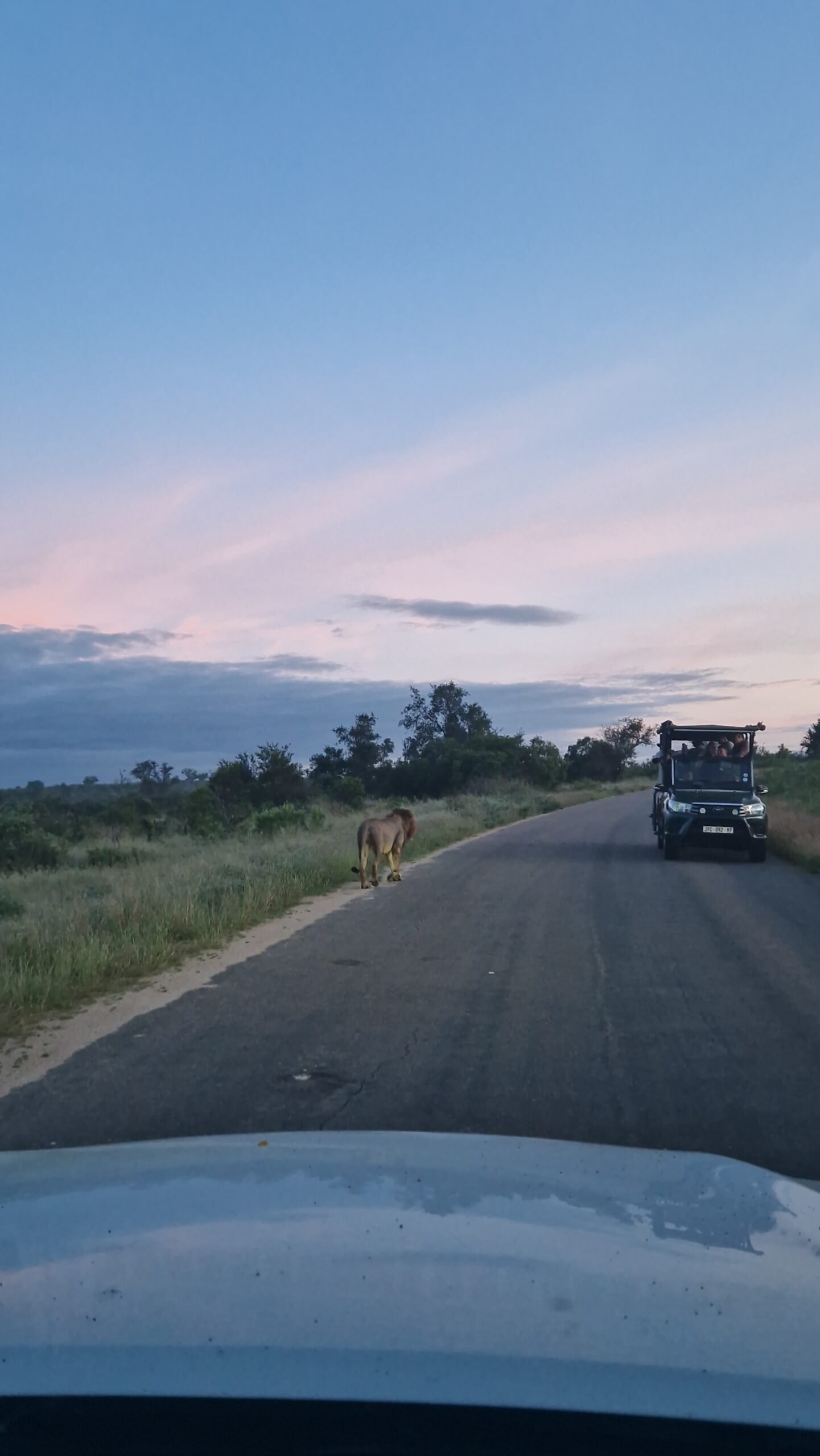
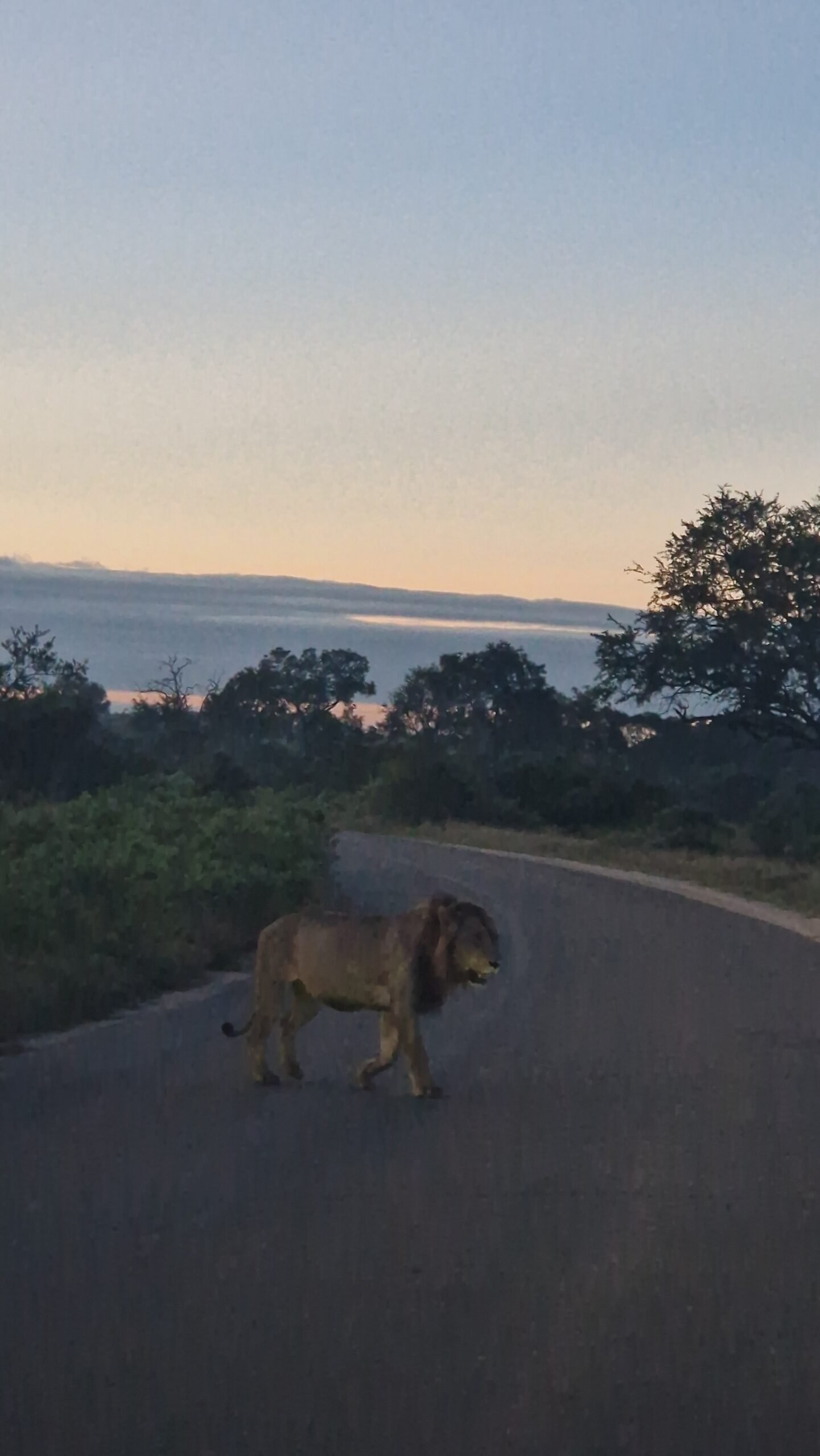
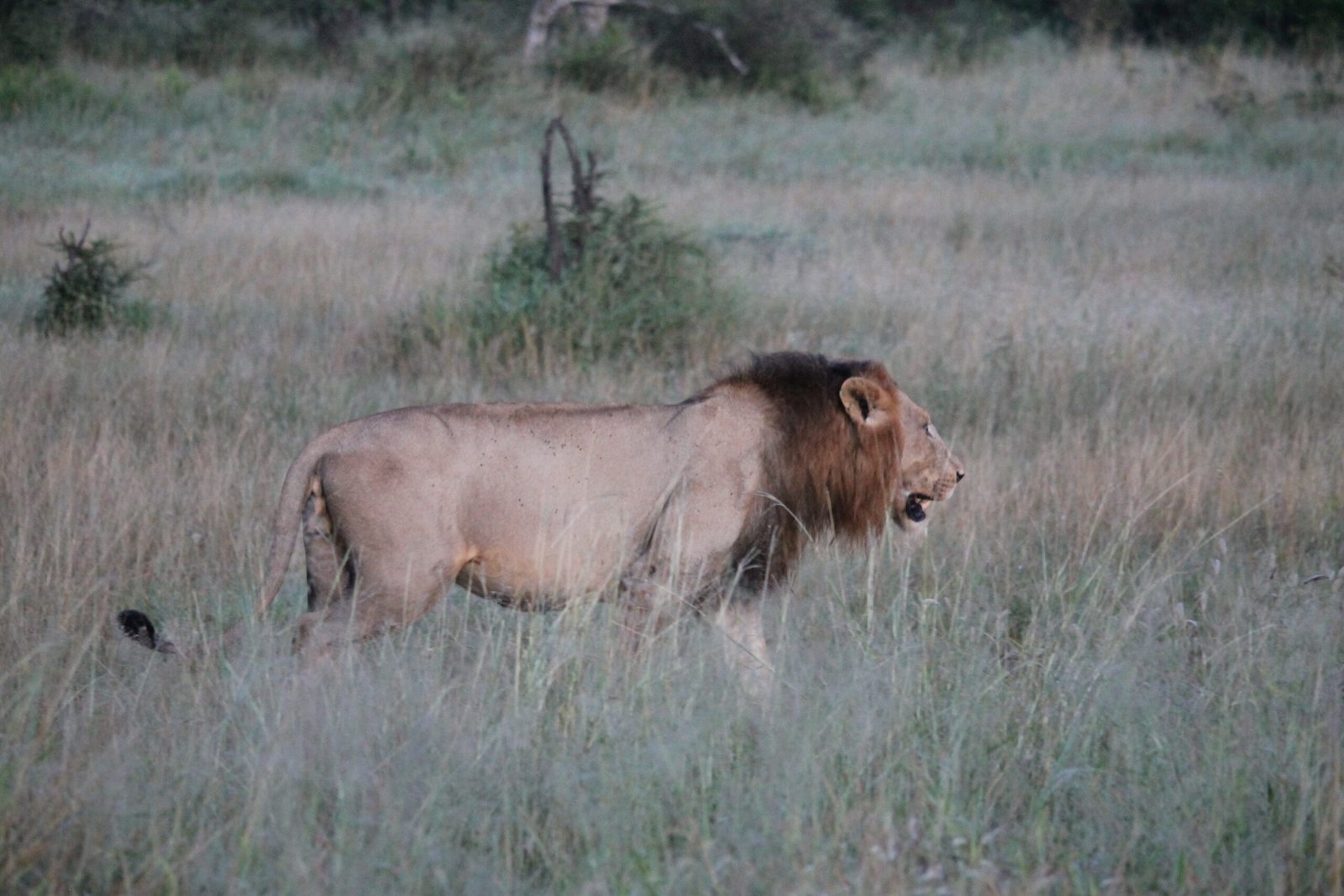
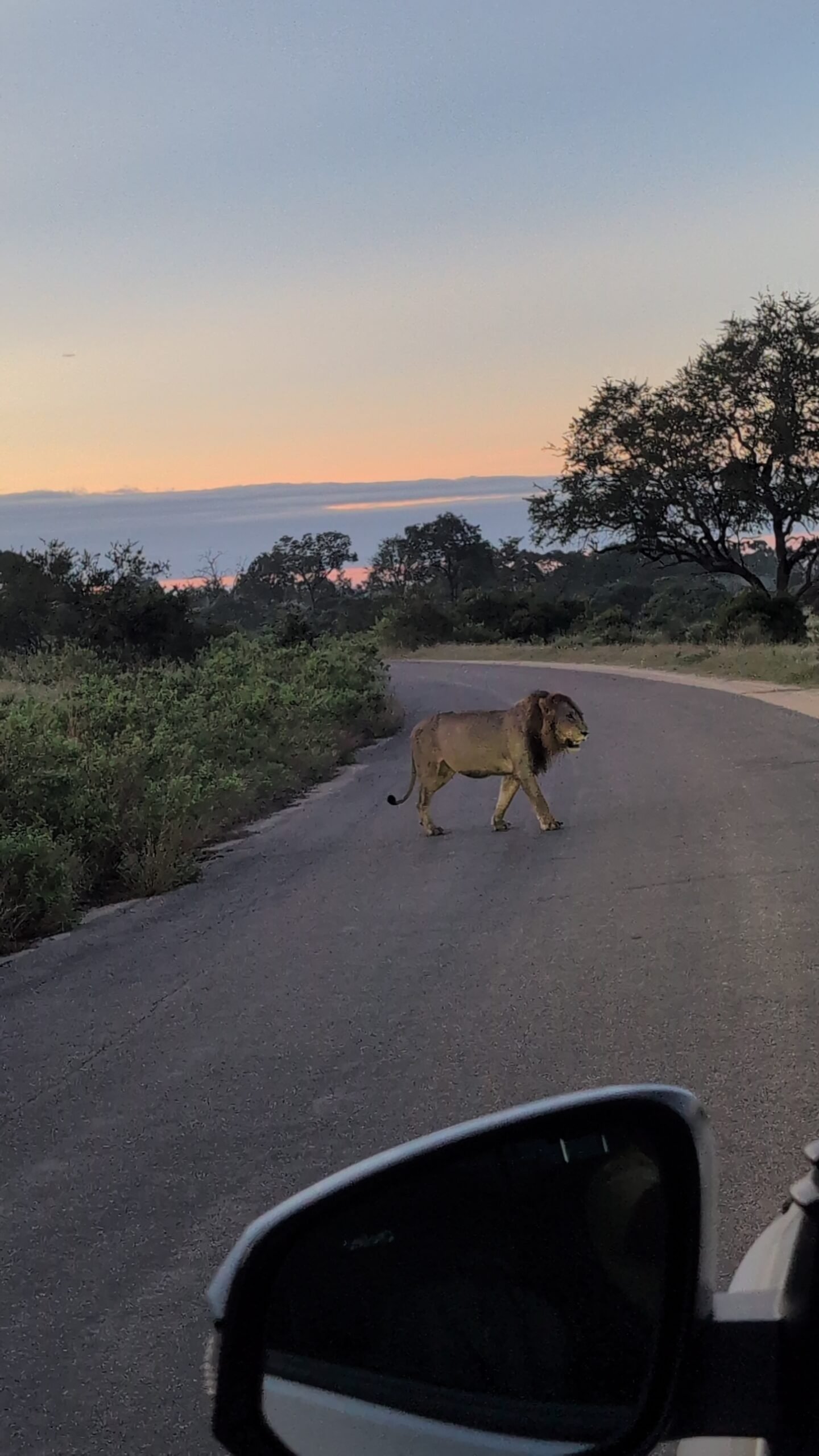
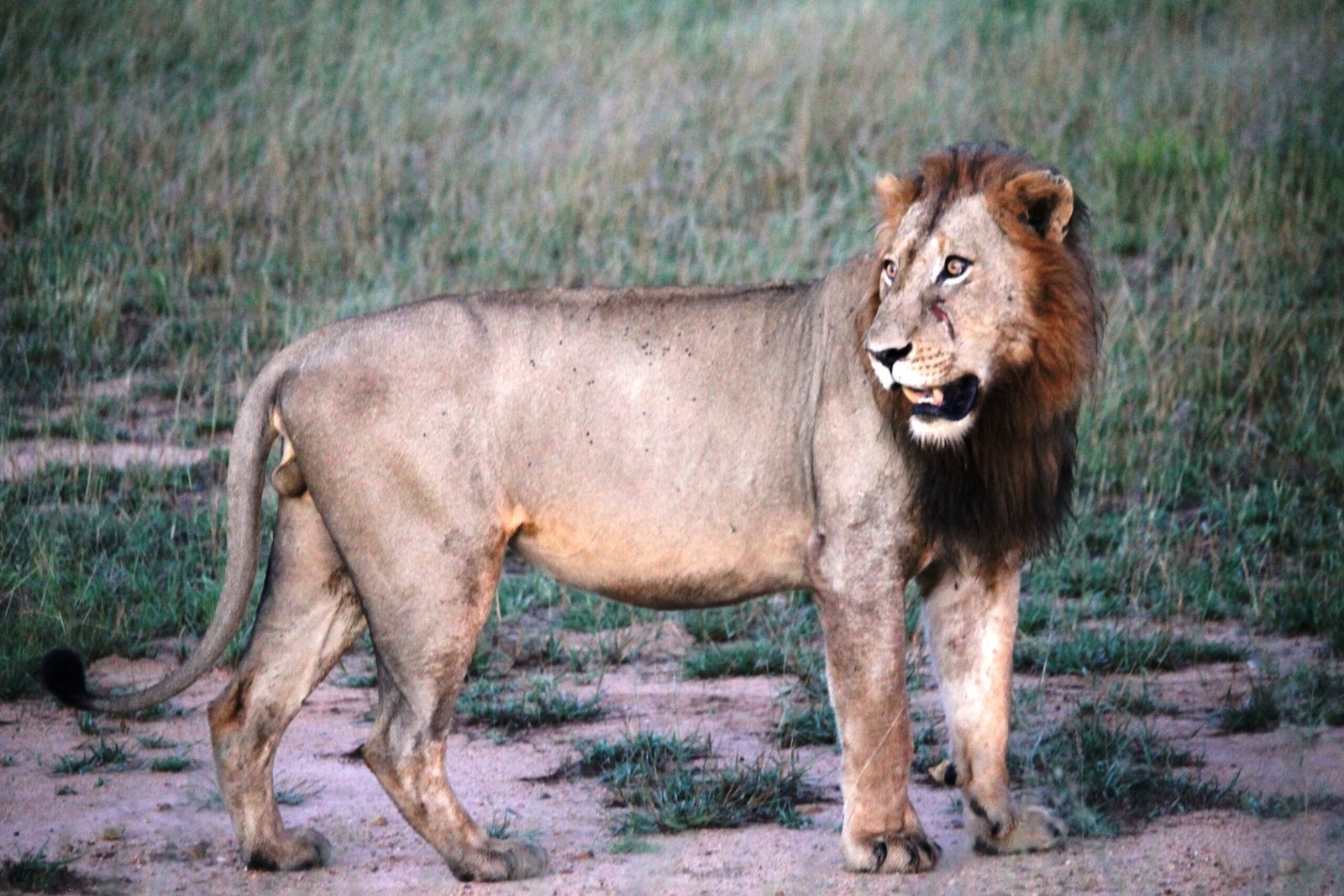
After five days of chasing and waiting and glimpsing lions in the dark, here was one — in broad daylight, in the golden morning — crossing the road in front of us as casually as a commuter crossing a street. We drove alongside it for a while, watching those enormous paws pad softly on the tar, the mane catching the early light, the muscles rolling beneath the tawny coat.Then it veered into the bush and was gone.
View this post on Instagram
The Elephant Traffic Jam
We pressed south towards Biyamiti, the rhino quest pulling us forward — but Kruger had more detours in mind.A traffic jam. Not the human kind — the kind that involves fifteen tonnes of grey, trumpeting, ear-flapping chaos blocking the road in every direction.
The biggest elephant herd we’d encountered on the entire trip. Dozens of them, spread across the road and into the bush on both sides — matriarchs, juveniles, babies. It was magnificent pandemonium.
The young ones were in a particularly playful mood. One tried to sit down in the middle of the road — just plopped its hind legs down like a toddler throwing a tantrum — while another, apparently feeling bold, mock-charged towards our Fortunner.My heart leapt. I threw the car into reverse, creating distance — quickly, smoothly, no sudden movements. The charge was bluff — a young elephant testing boundaries — but in the moment, when several tonnes of irritated juvenile are accelerating in your direction, the academic distinction between “mock” and “real” becomes rather irrelevant.
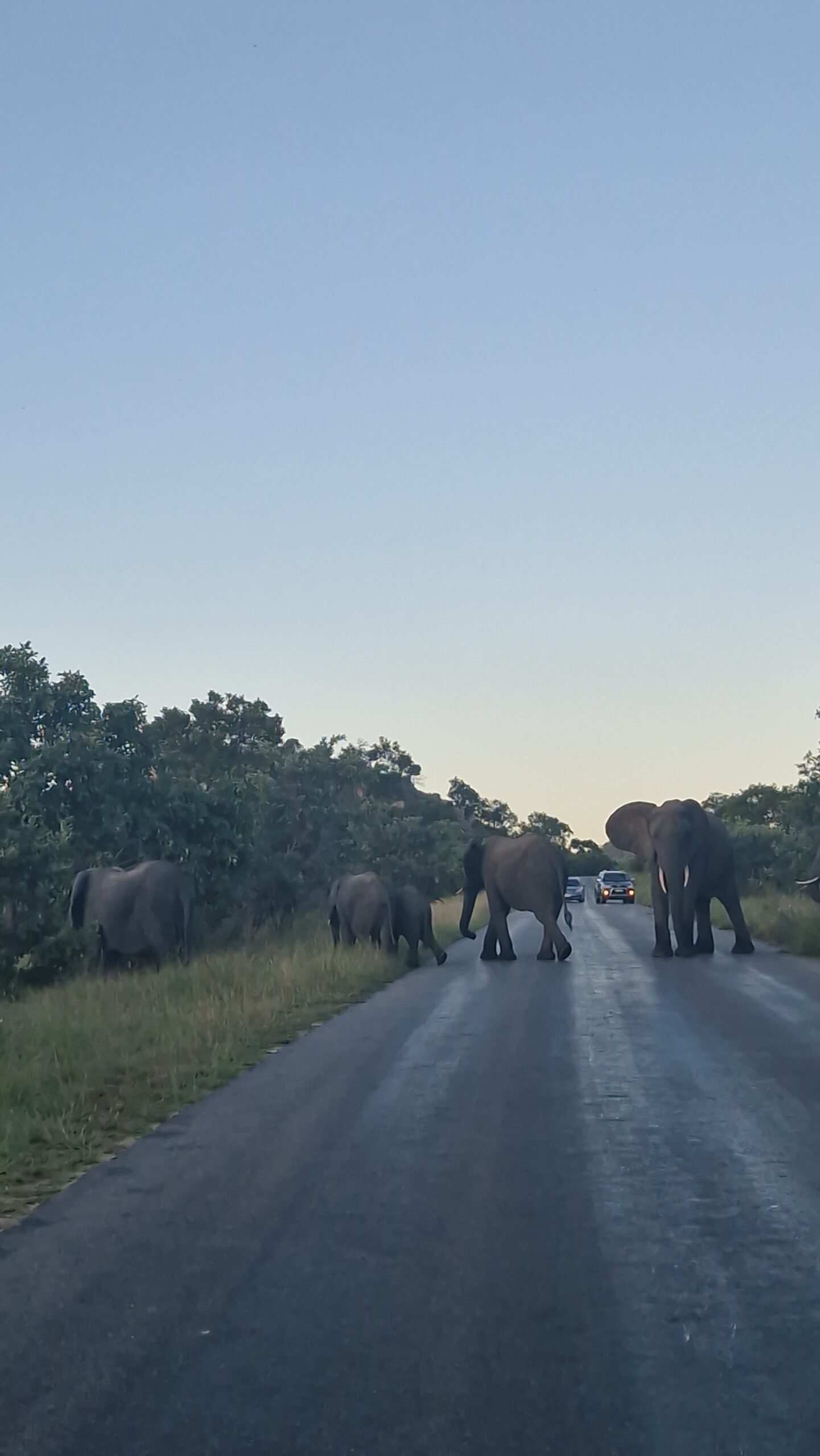
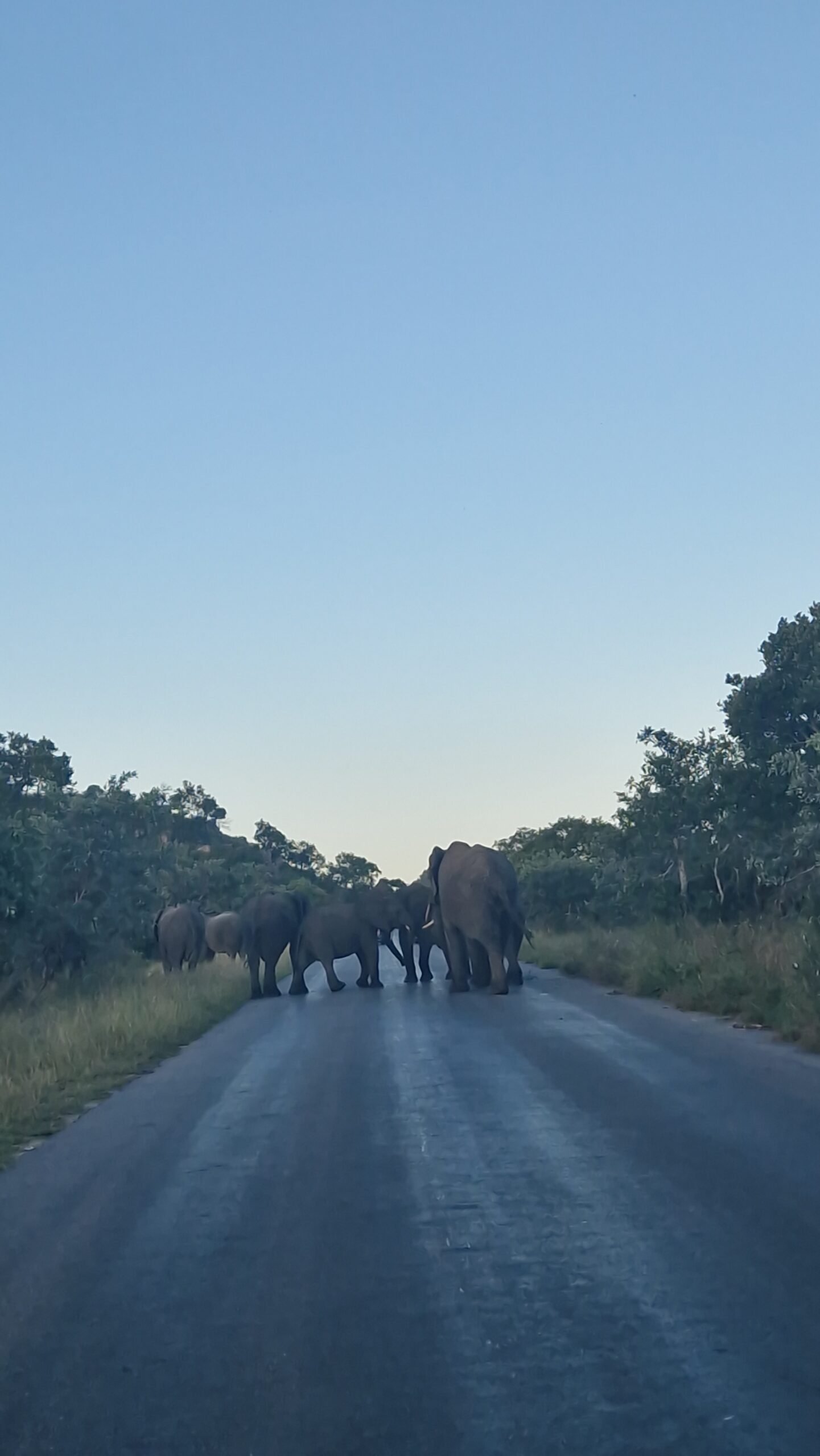
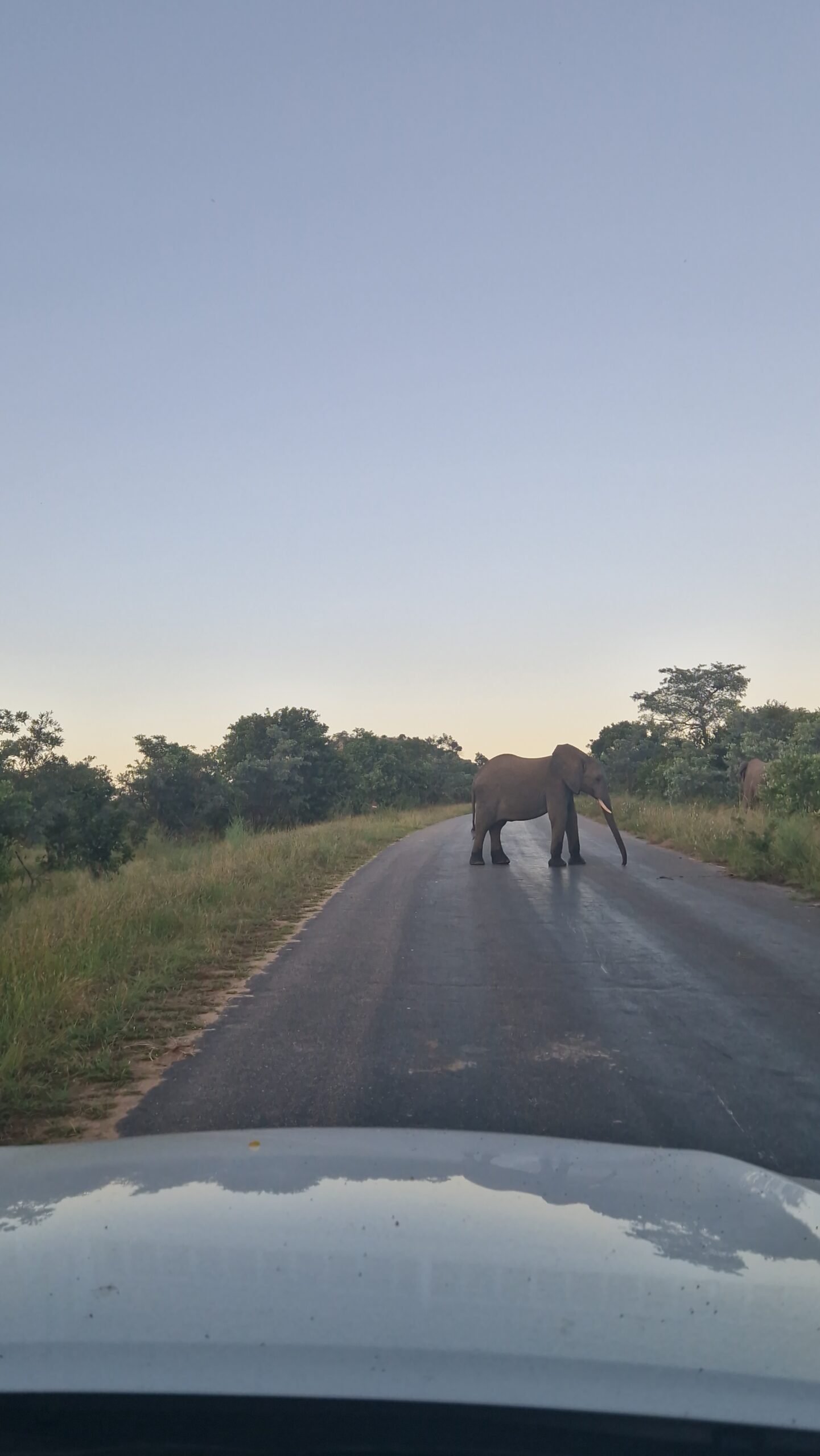
We waited. They played. They trumpeted. They eventually decided the road was boring and ambled off into the bush. The traffic cleared.
View this post on Instagram
Berg-En-Dal — The Search
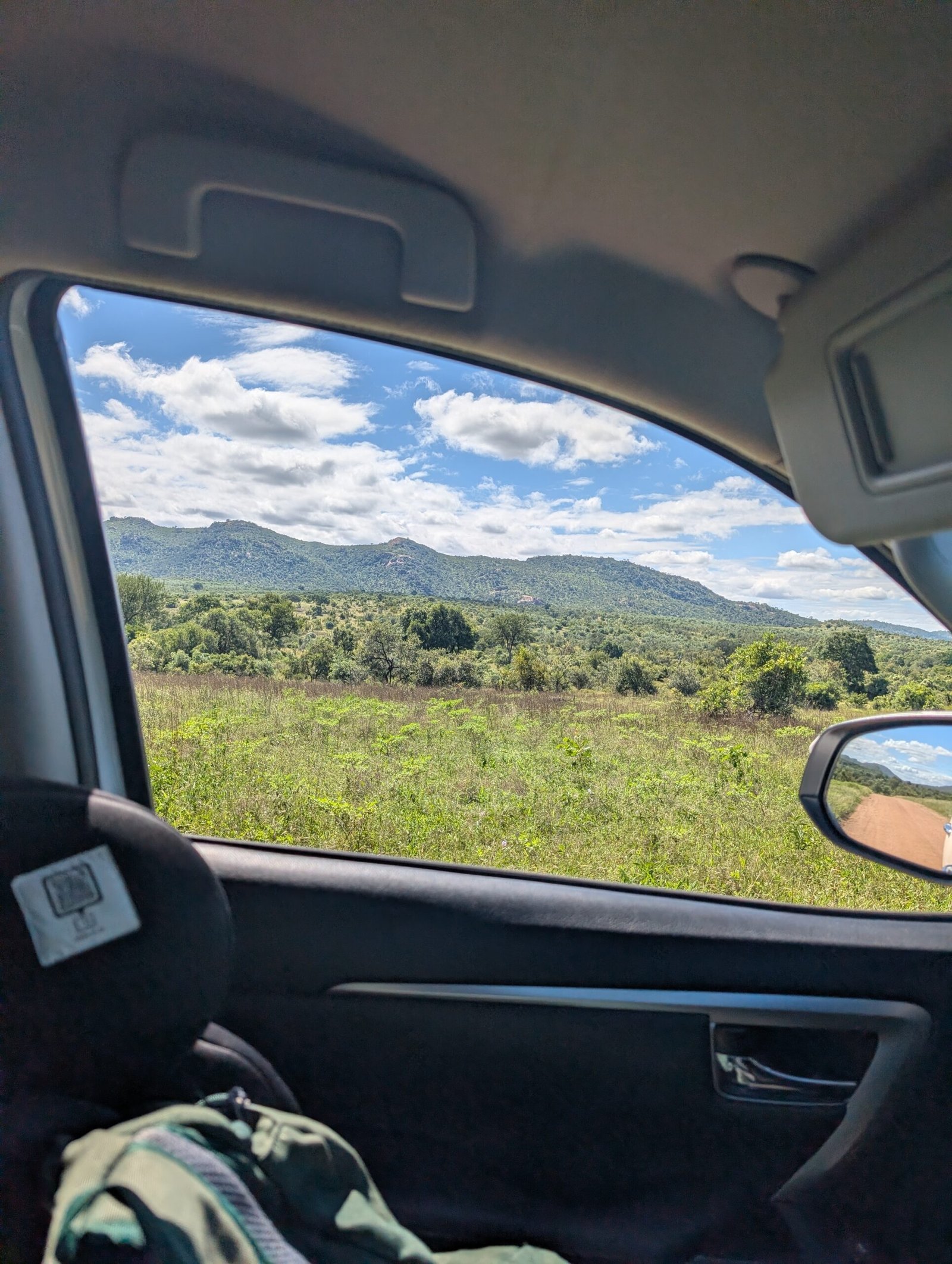
The landscape shifted as we approached Berg-En-Dal. Gone were the flat savannahs and riverine forests of Satara and Skukuza. Here, the terrain was hilly and rocky — granite boulders jutting from the earth, the vegetation shorter and sparser, the horizon broken by ridgelines that could hide anything.
This was rhino country. Every grey shape in the distance made my pulse quicken. Every boulder became a potential rhino until the binoculars confirmed it was, in fact, a boulder.We drove to Matjulu Dam — famous for rhino sightings, a watering hole where the great grey giants are known to come and drink. We stopped. We waited. We scanned every inch of the shoreline, every fold in the terrain, every shadow beneath every bush.Nothing.
The dam was beautiful — serene, still, reflecting the clouds — but empty of rhinos. We stayed for a long time, willing something to emerge from the treeline, staring so hard at rocks that we started seeing shapes that weren’t there.
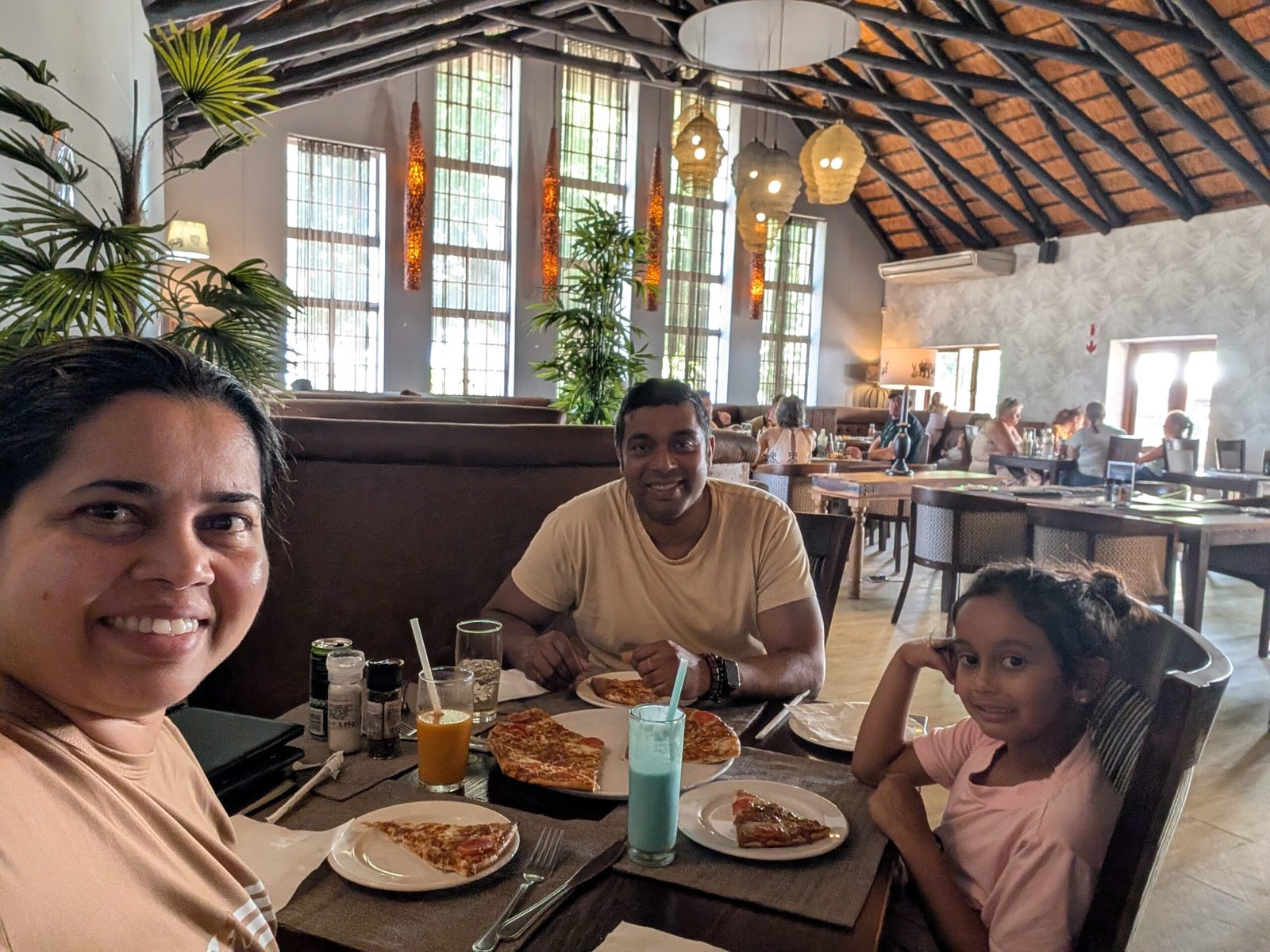
We drove to the Berg-En-Dal rest camp for a break. Regrouped. Went back out. Drove the loop road with methodical, almost desperate thoroughness.Nothing.
Along the way, there were rumours — cars stopped where someone had maybe seen something, a spot where a leopard was reportedly hiding, another where lions had been seen at a distance. But we were single-minded. Rhino or bust.We took the S114. More rocky terrain, more searching, more hoping.Nothing.
The rhino, that magnificent, embattled, heartbreakingly rare creature, was not going to show itself today.
Accepting the Gift We Were Given
Here’s what I’ve learned: you don’t complete the Big Five because you want to. You complete it because the bush decides you’re ready. And today, the bush said no.
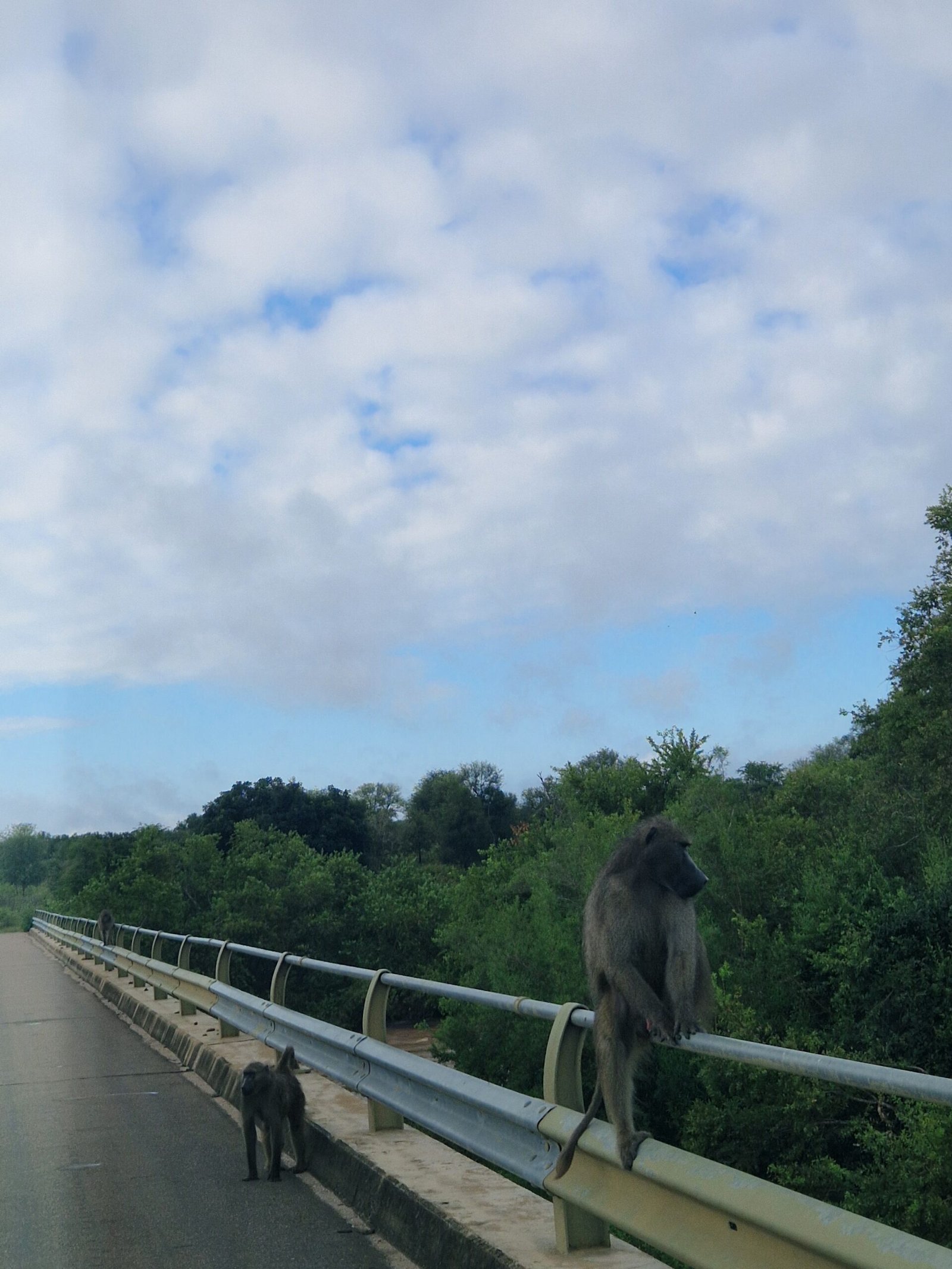
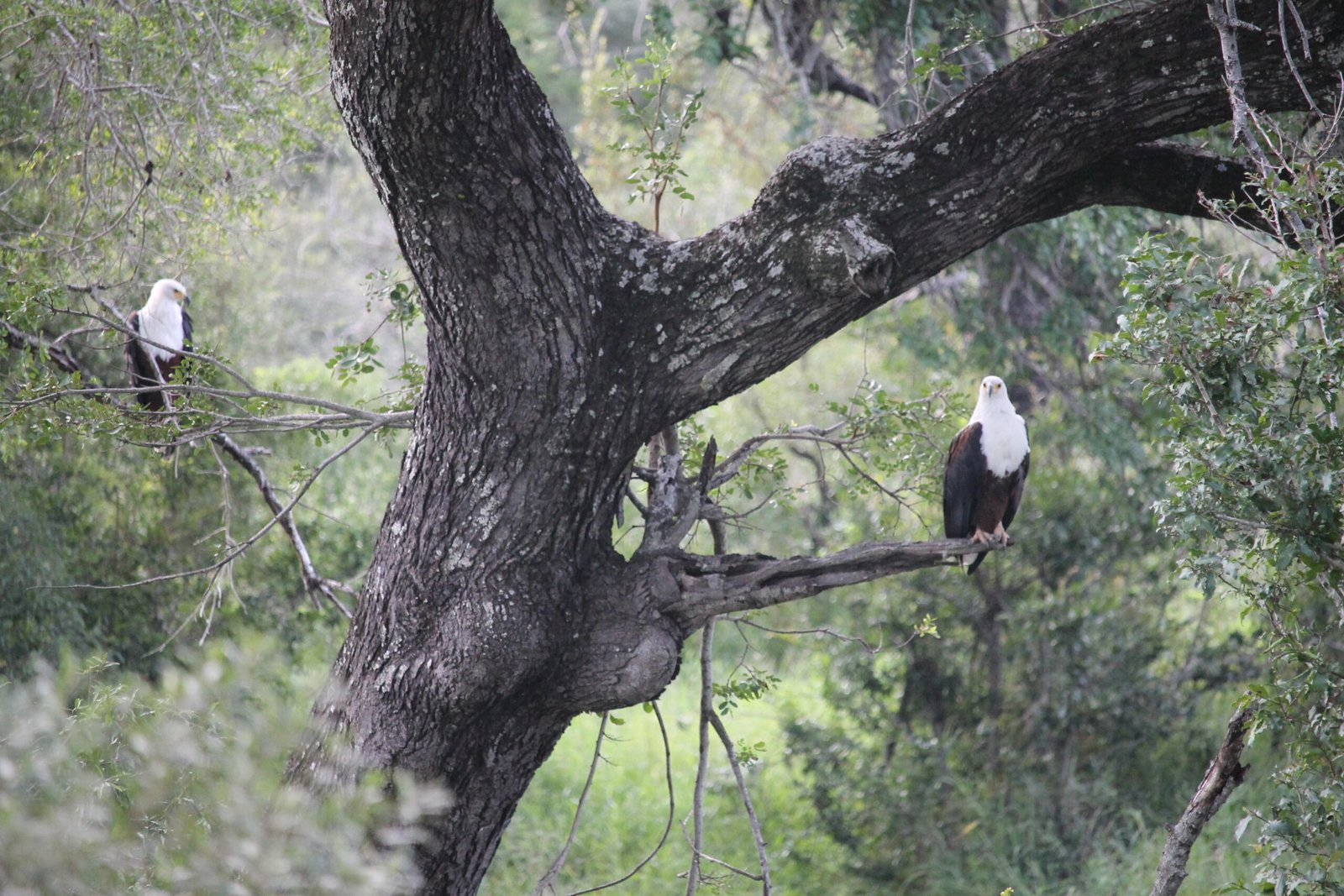
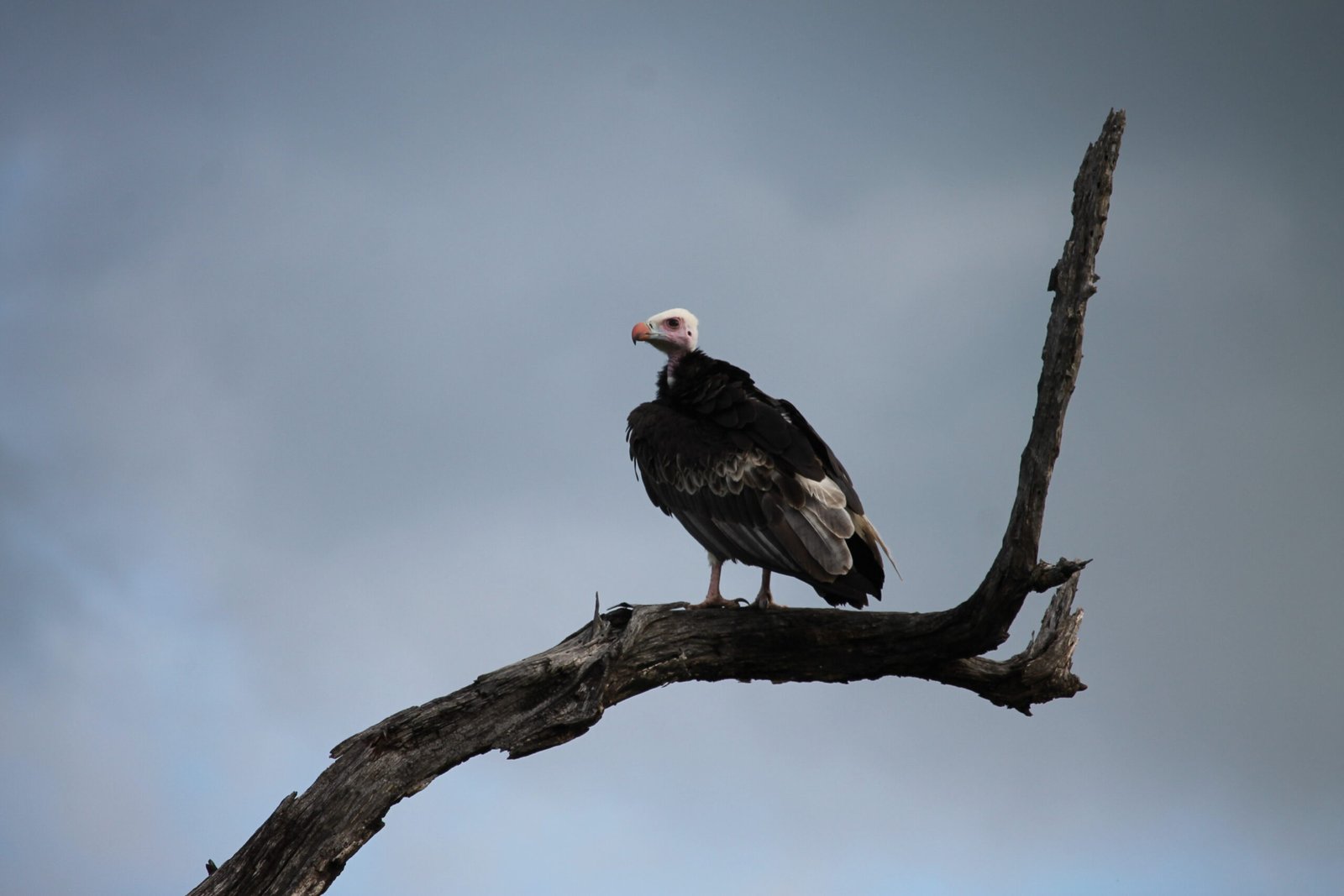
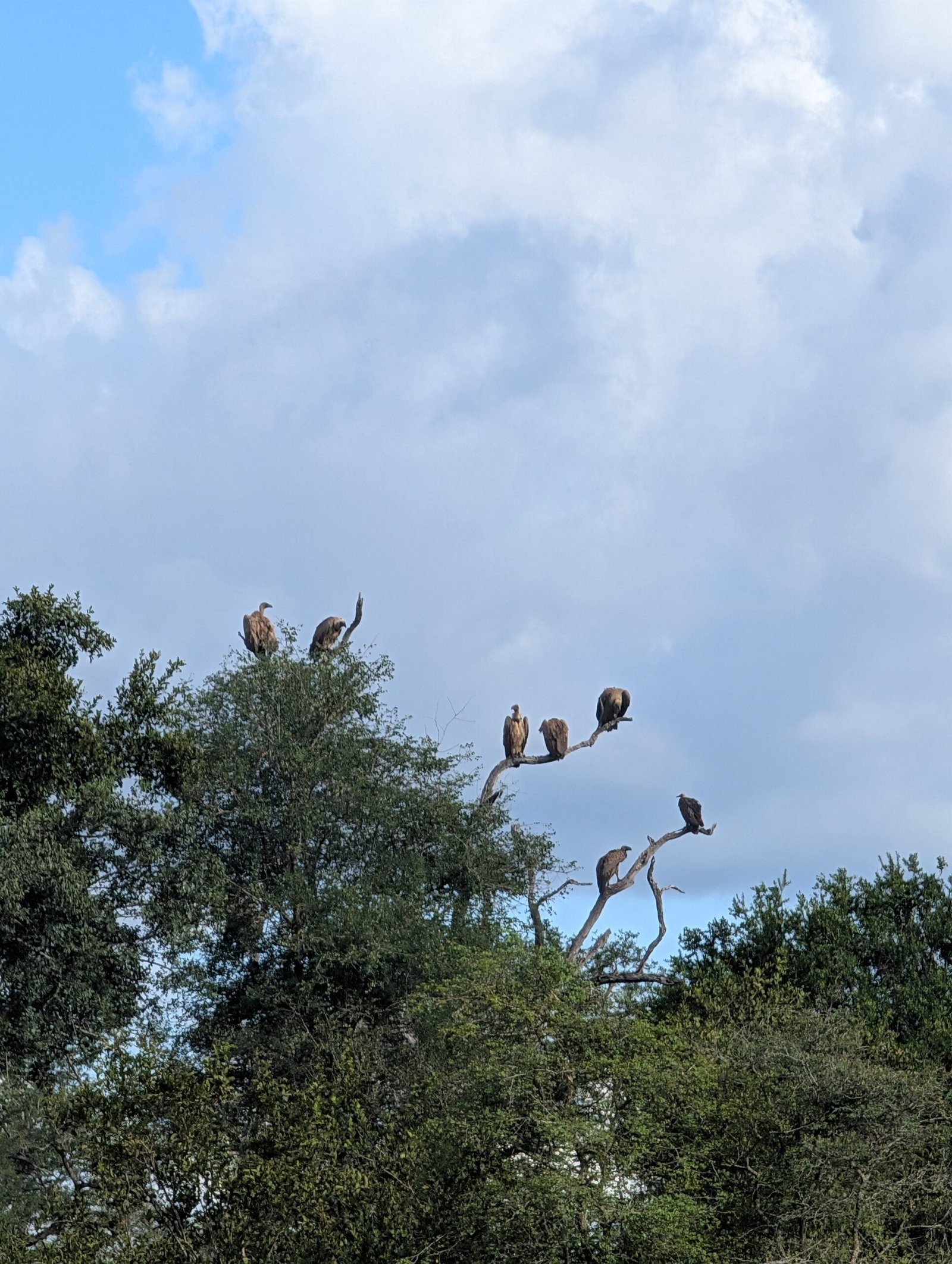
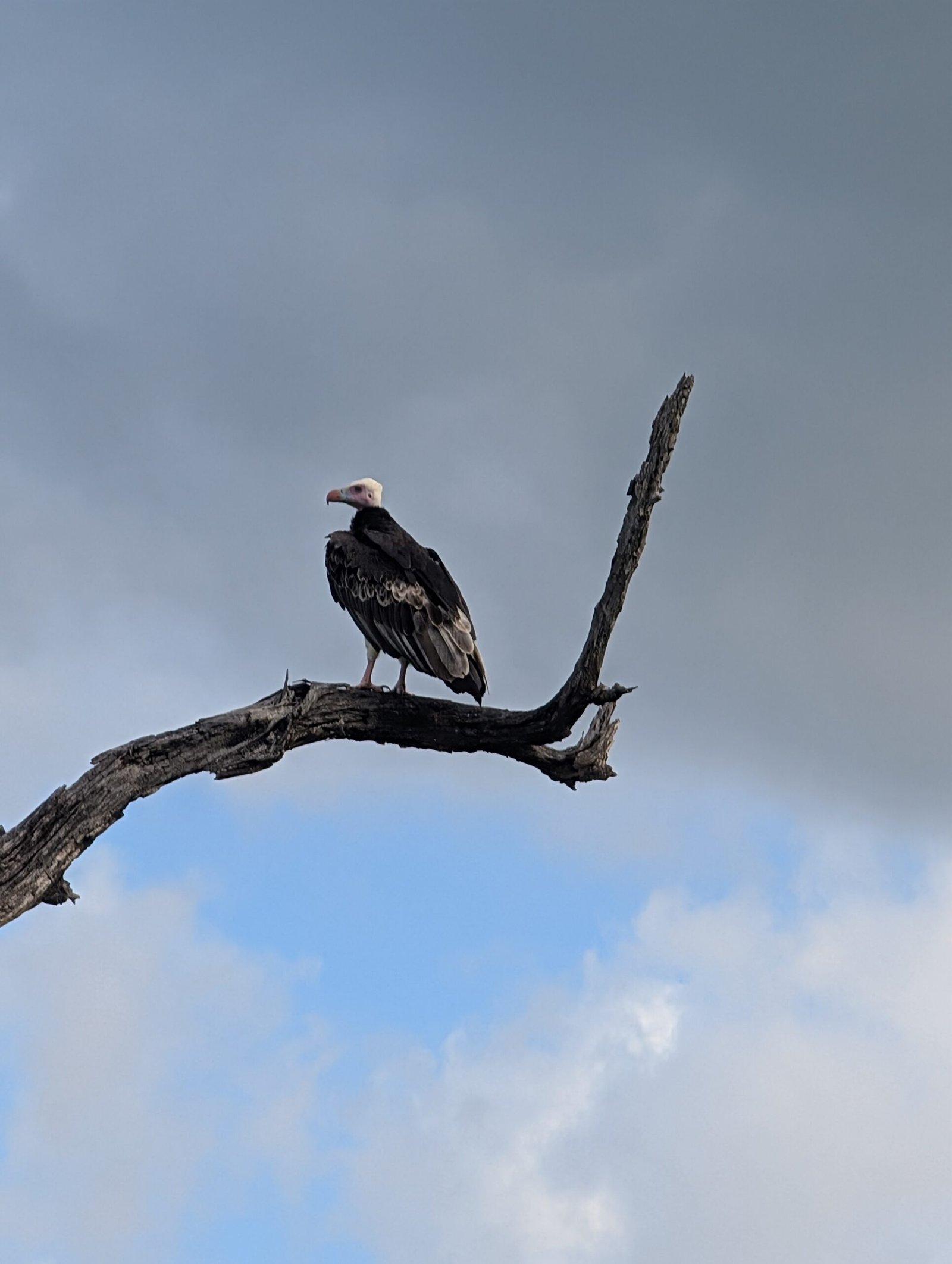
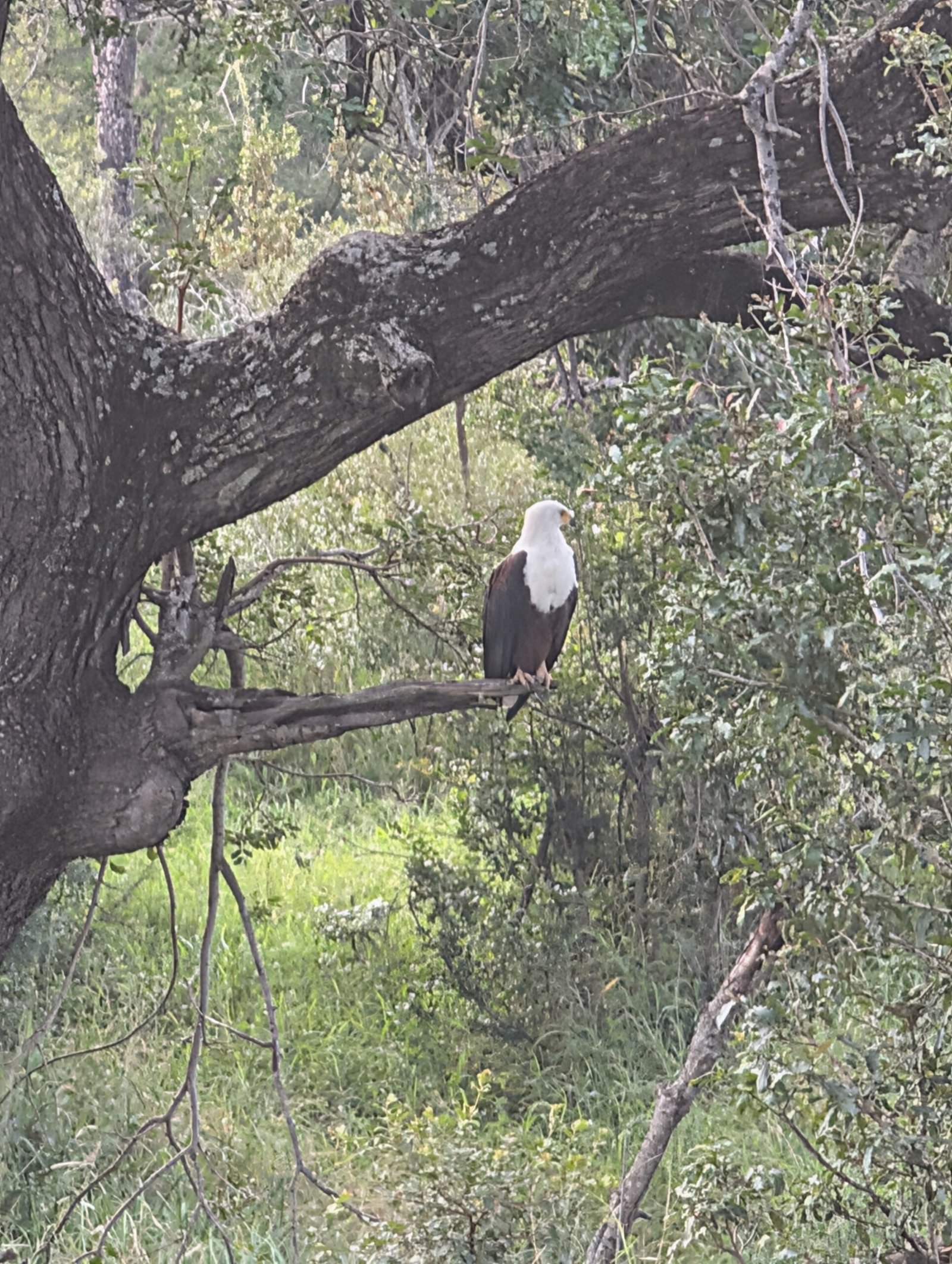
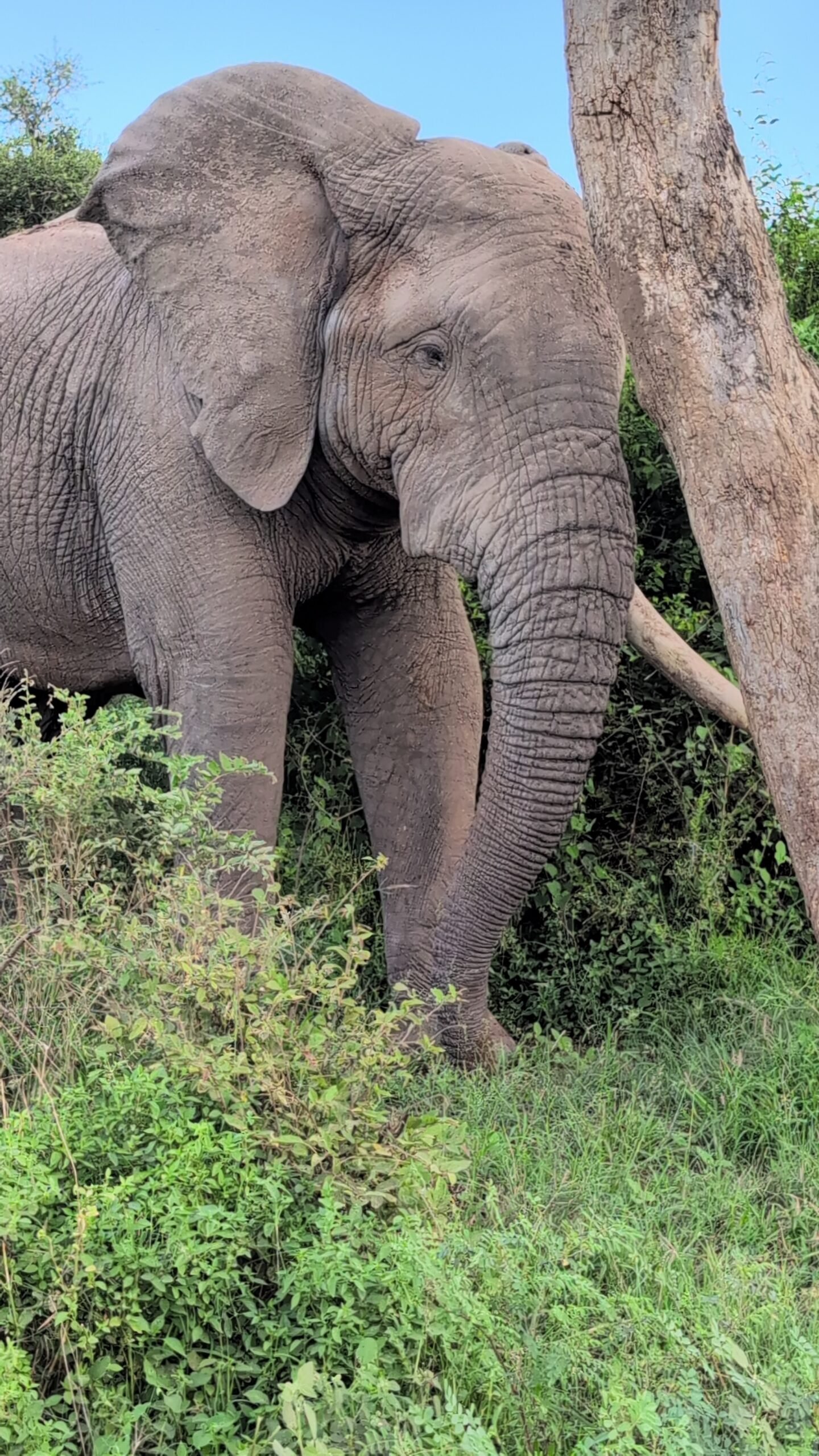
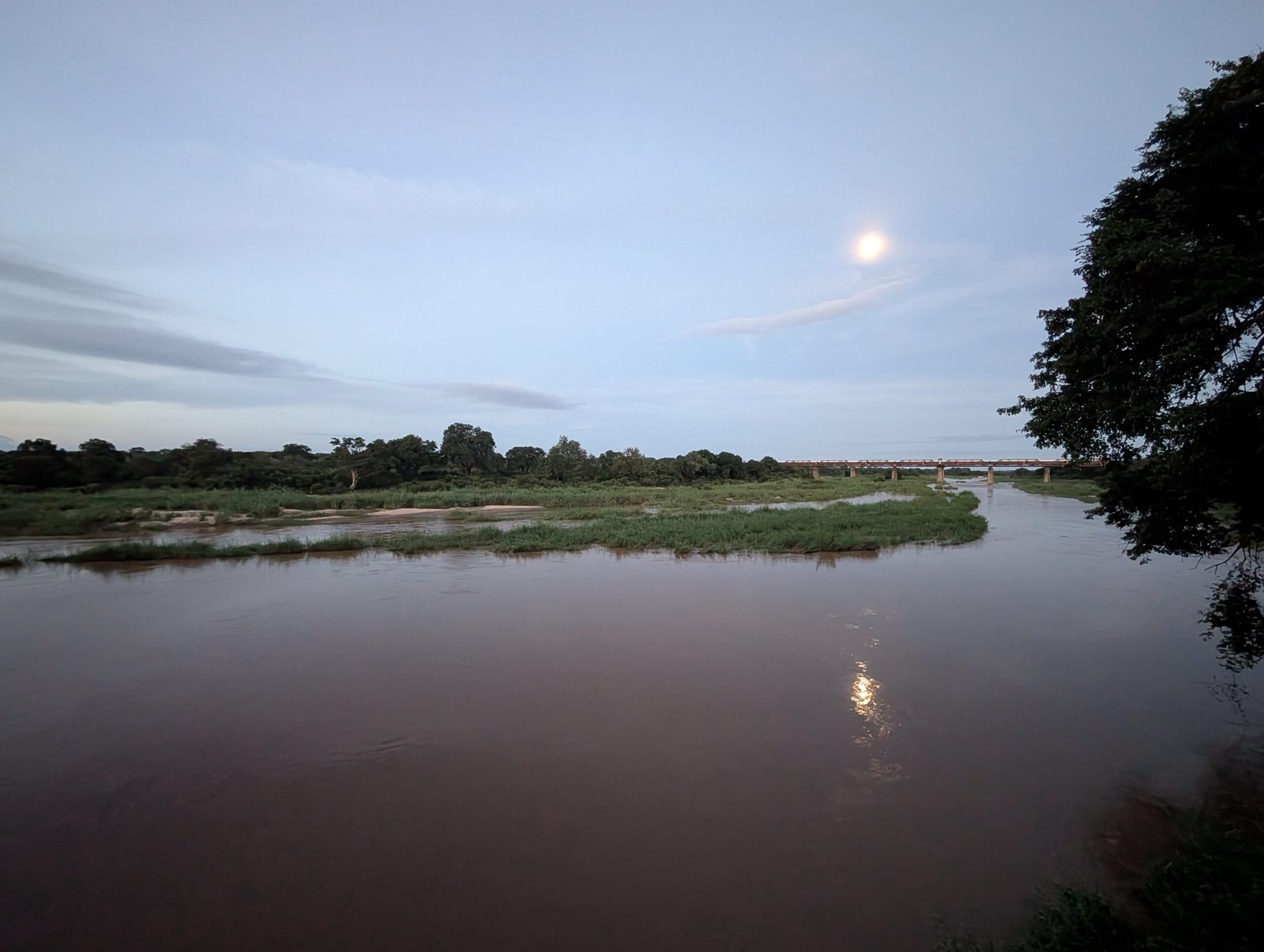
Was I disappointed? Of course. That empty checkbox nagged at me the way only an unfinished list can. But as we drove back to Skukuza, watching fish eagles perch in dead trees along the river, watching vultures circle on thermals above the canopy, watching yet more elephants drift through the afternoon haze — I realised something.
We had been given more than we ever deserved.
Four leopard sightings — including one inches from our window. Cheetahs crossing at sunset. Wild dogs marching to hunt. Lions in the night. A sleeping elephant in trance. Giraffes in the morning mist.
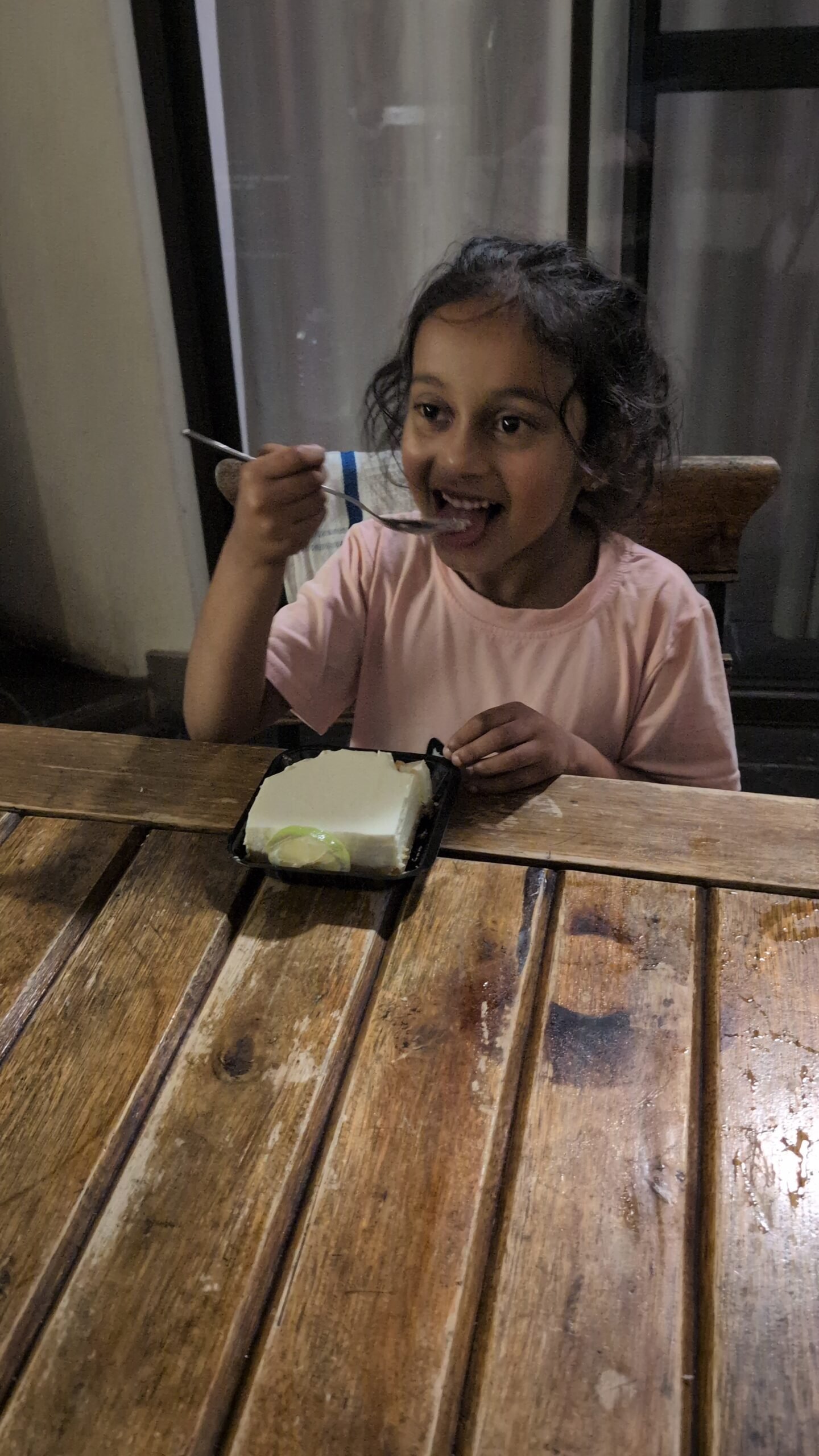
The rhino would have been the cherry on top. But the cake itself? The cake was extraordinary.
DAY 7 — The Long Goodbye
One Last Drive
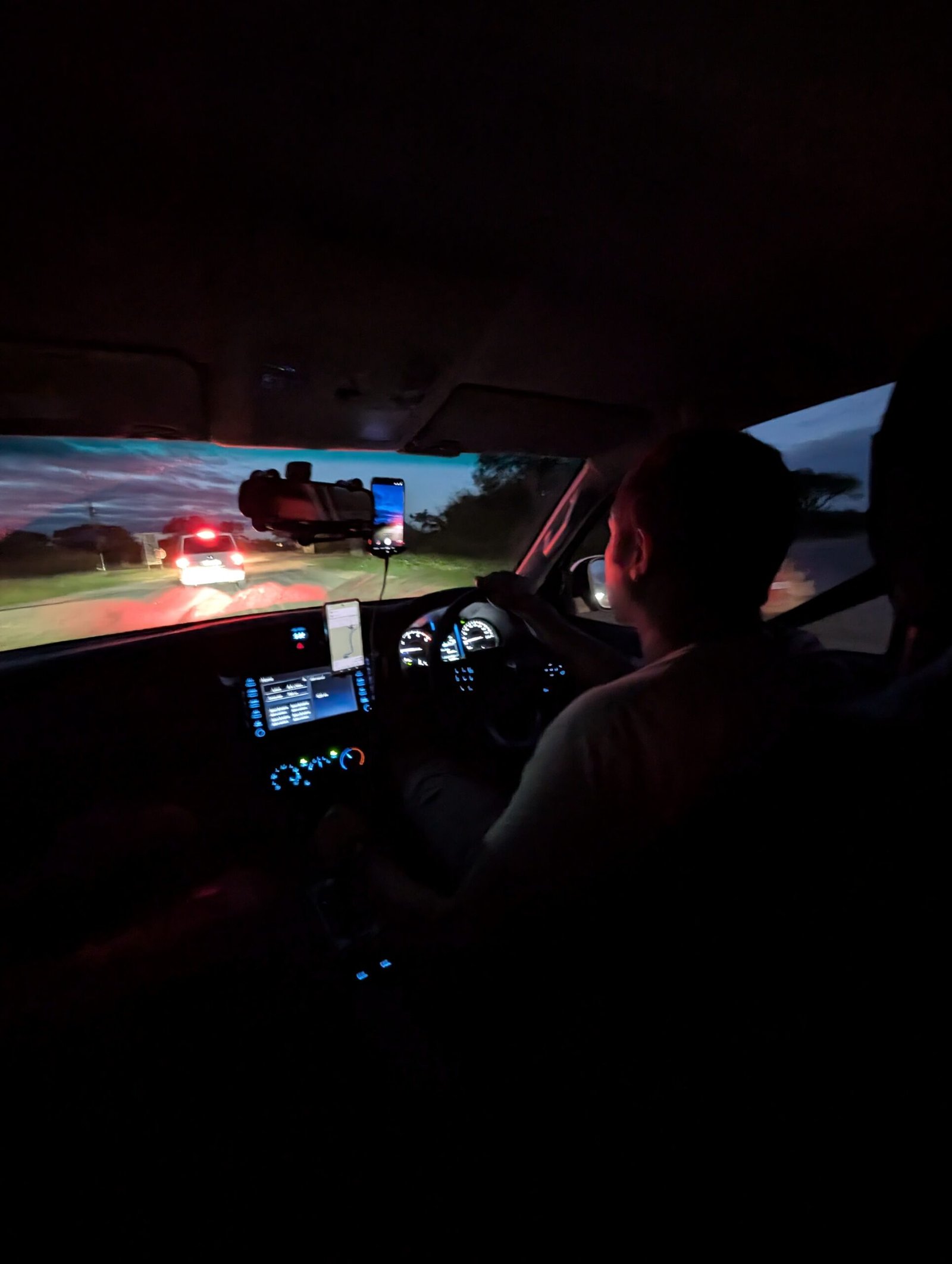
The final morning. The one you know is coming but refuse to believe until the alarm goes off and you realise — this is it.We packed the Fortuner for the last time. Loaded the bags that had lived in the boot for a week. Checked the room one final time. And drove out of Skukuza gates with the specific kind of ache that only comes from leaving a place that has changed you.
One last drive. Make it count.
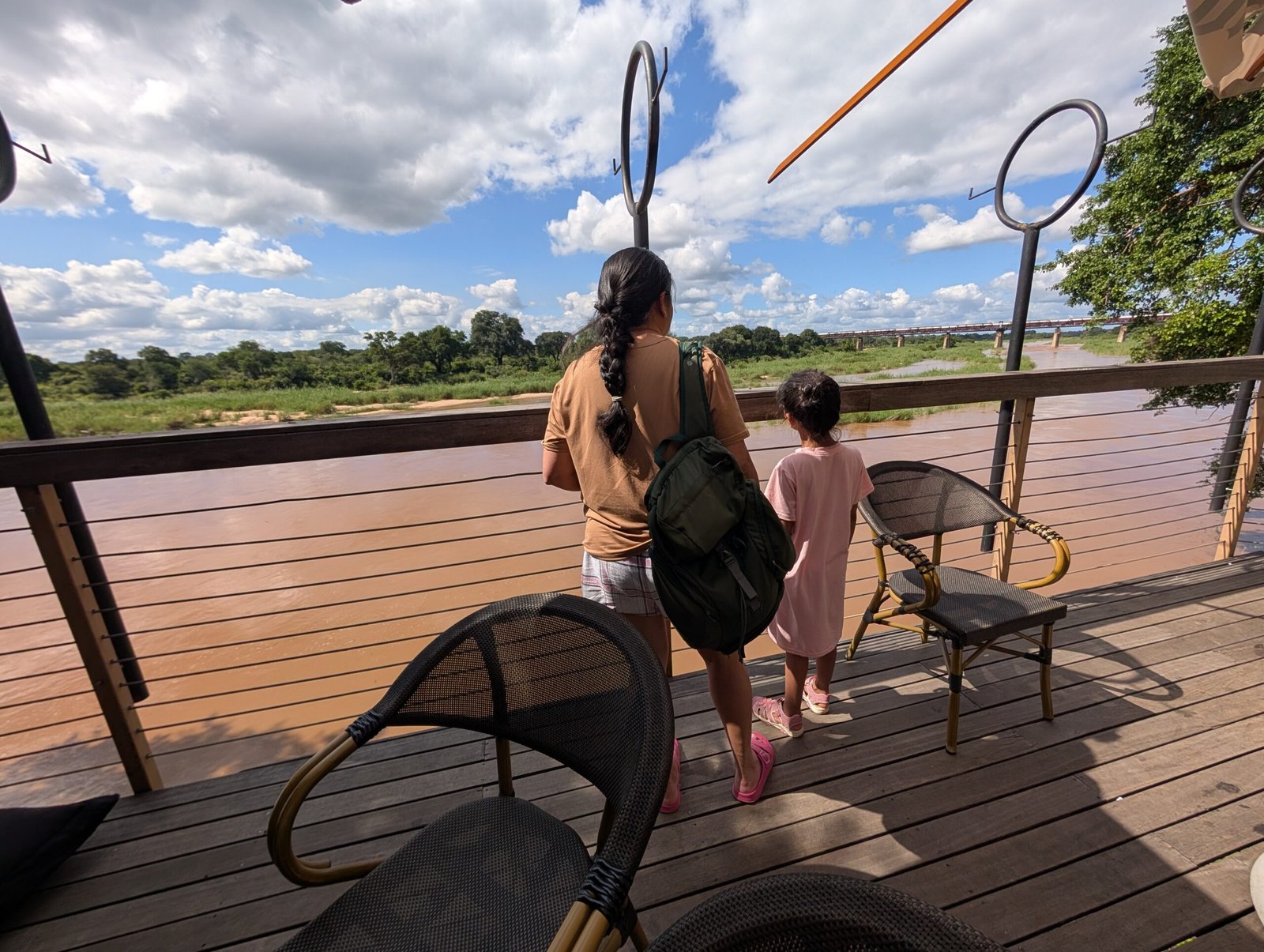
We headed towards the Satara — our old faithful — wanting to say goodbye to the landscape that had given us so much. And near the Lower Sabie crossing, the bush offered its parting gift.Cars were gathered by the river. We stopped. Looked down.
On the sandy banks of the riverbed — with the railway bridge arching overhead, the morning light spilling across the scene like a painting — lay a big pride of lions. Not one or two. A pride. Sprawled across the warm sand, sleeping in that magnificent, boneless way that lions sleep — legs splayed, bellies up, manes fanned out against the earth. The river trickled nearby. The bridge stood sentinel above. And the lions lay there as if the whole scene had been arranged specifically for our farewell.
We stayed for a long time. Cameras clicking softly. Hearts full. Taking in every detail — the rise and fall of their breathing, the twitch of an ear, the way the morning light caught the gold in their fur.They didn’t move. They didn’t need to. They were lions, and this was their kingdom, and we were guests who’d been allowed to watch them rest in it.
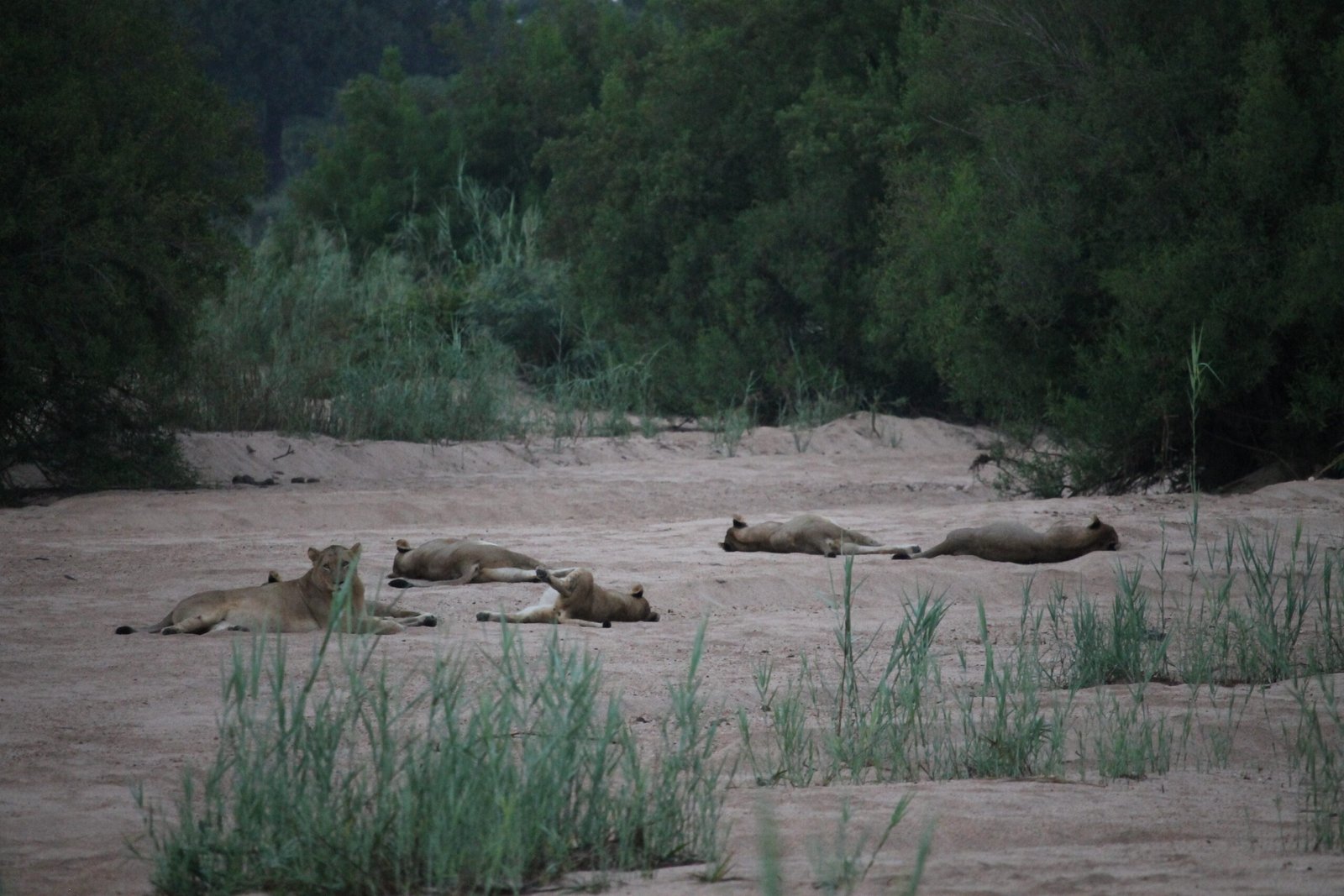
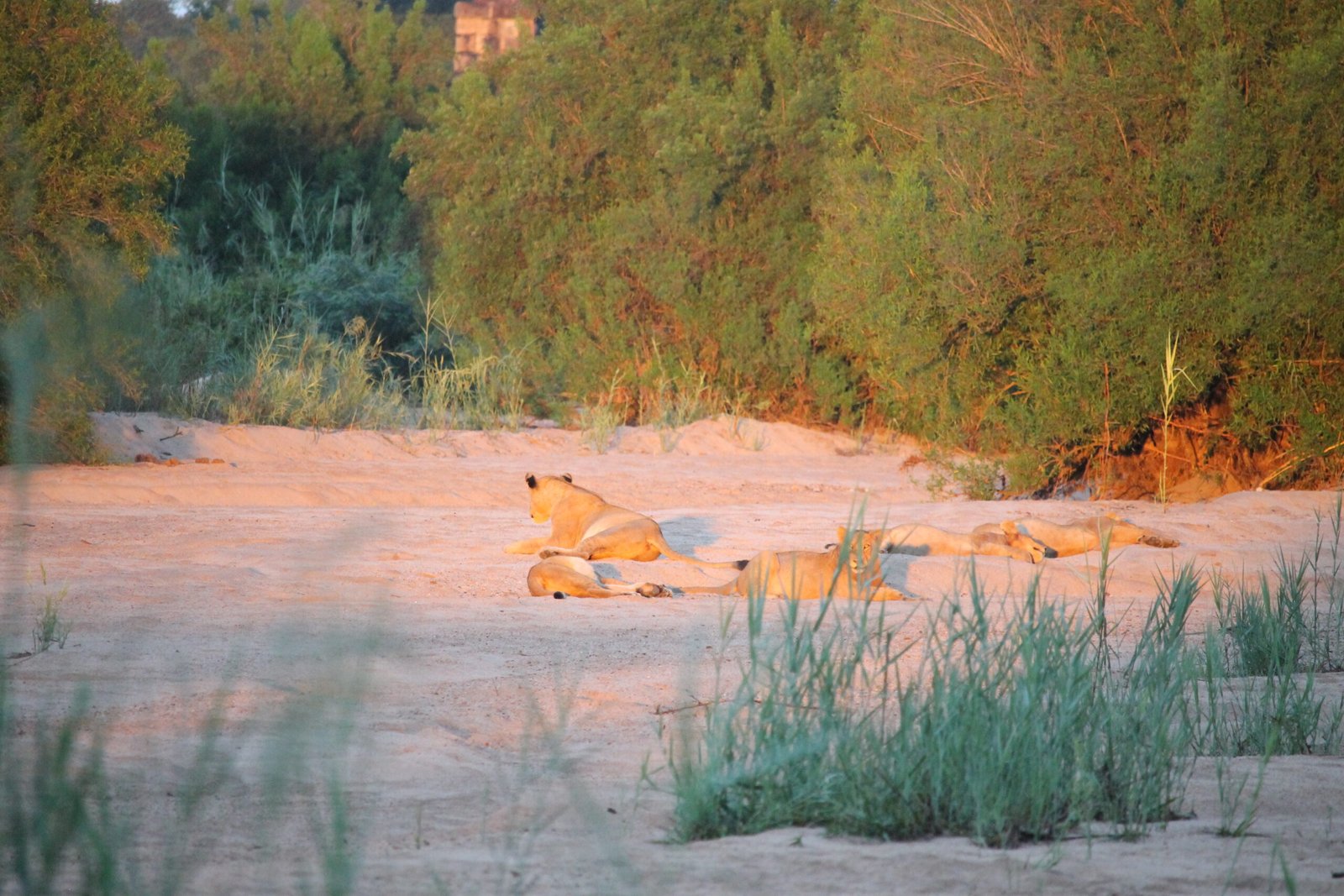
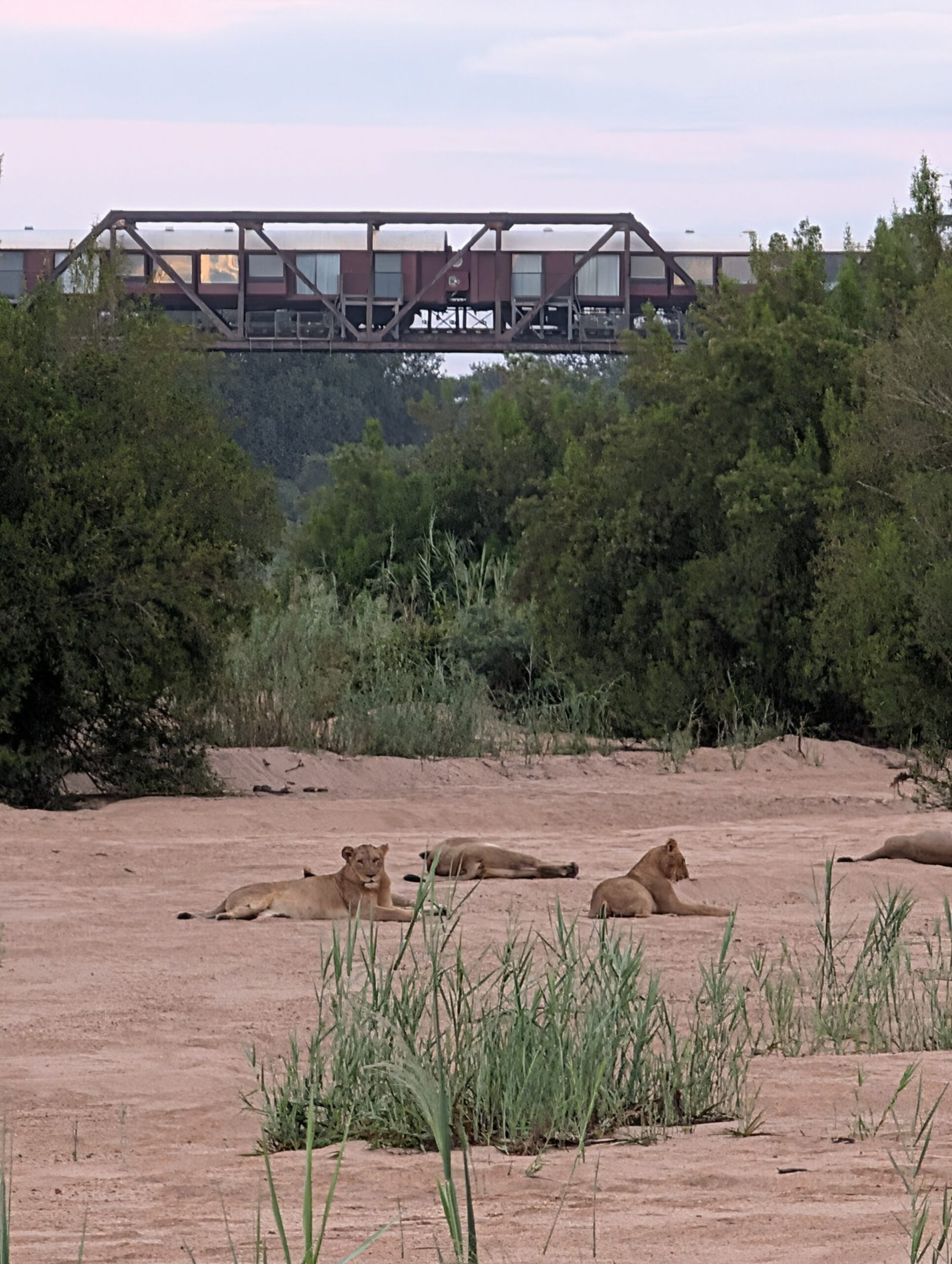
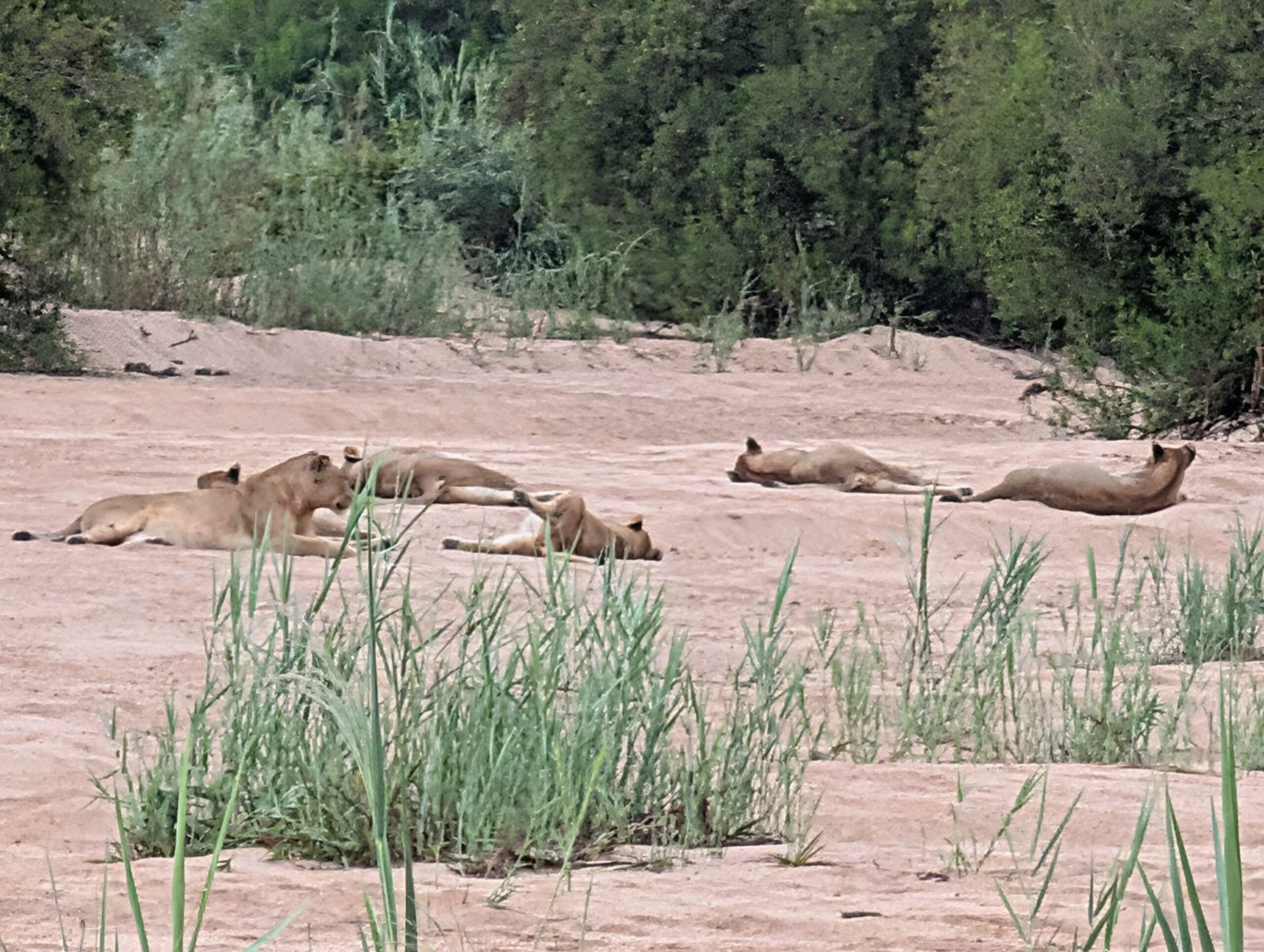
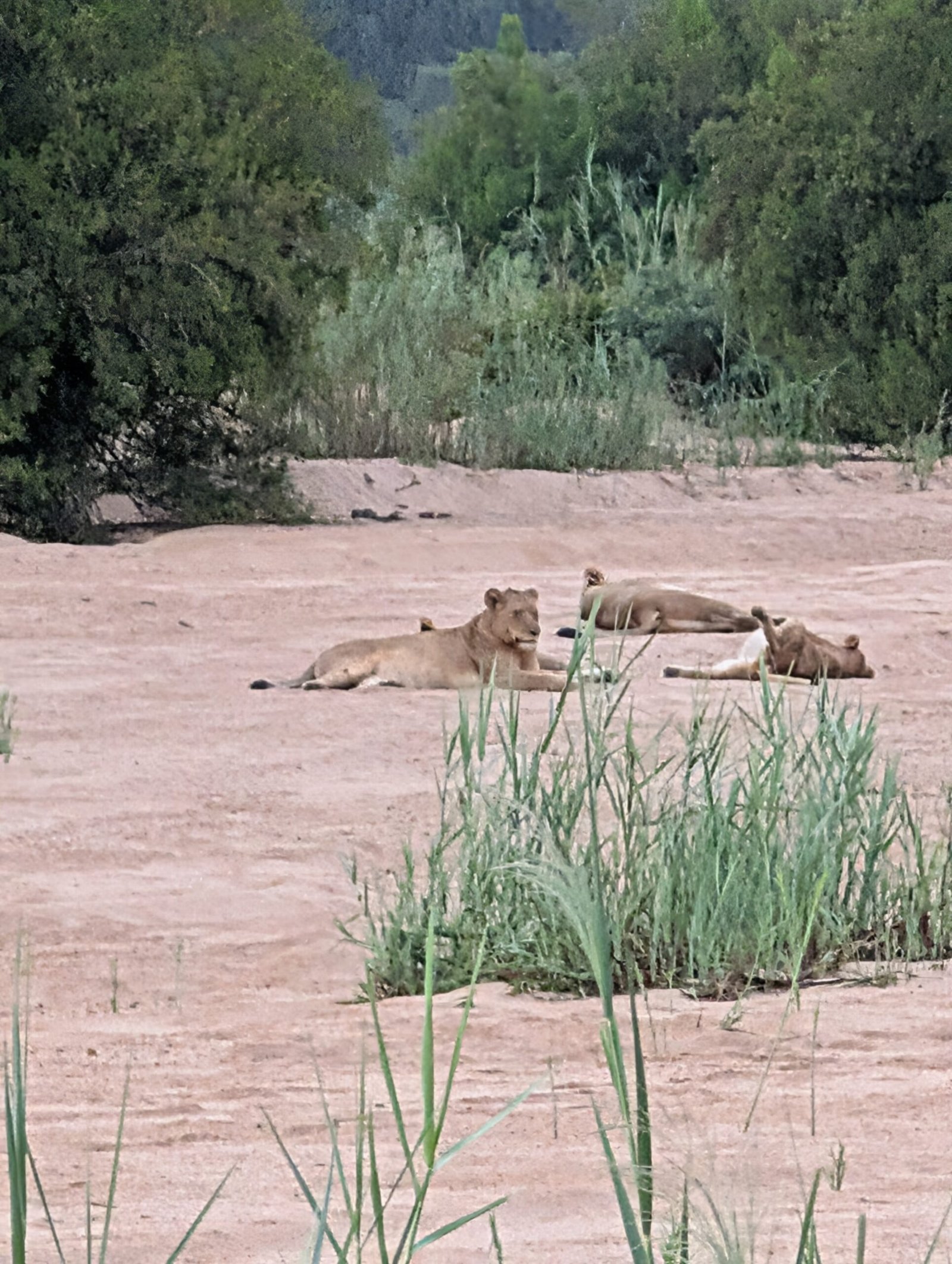
I knew, even as I sat there, that this was the image I’d carry home. Not the dramatic charges or the close encounters or the kills in trees — but this. A pride of lions sleeping on a riverbed in the morning light, at peace with a world that they own completely.
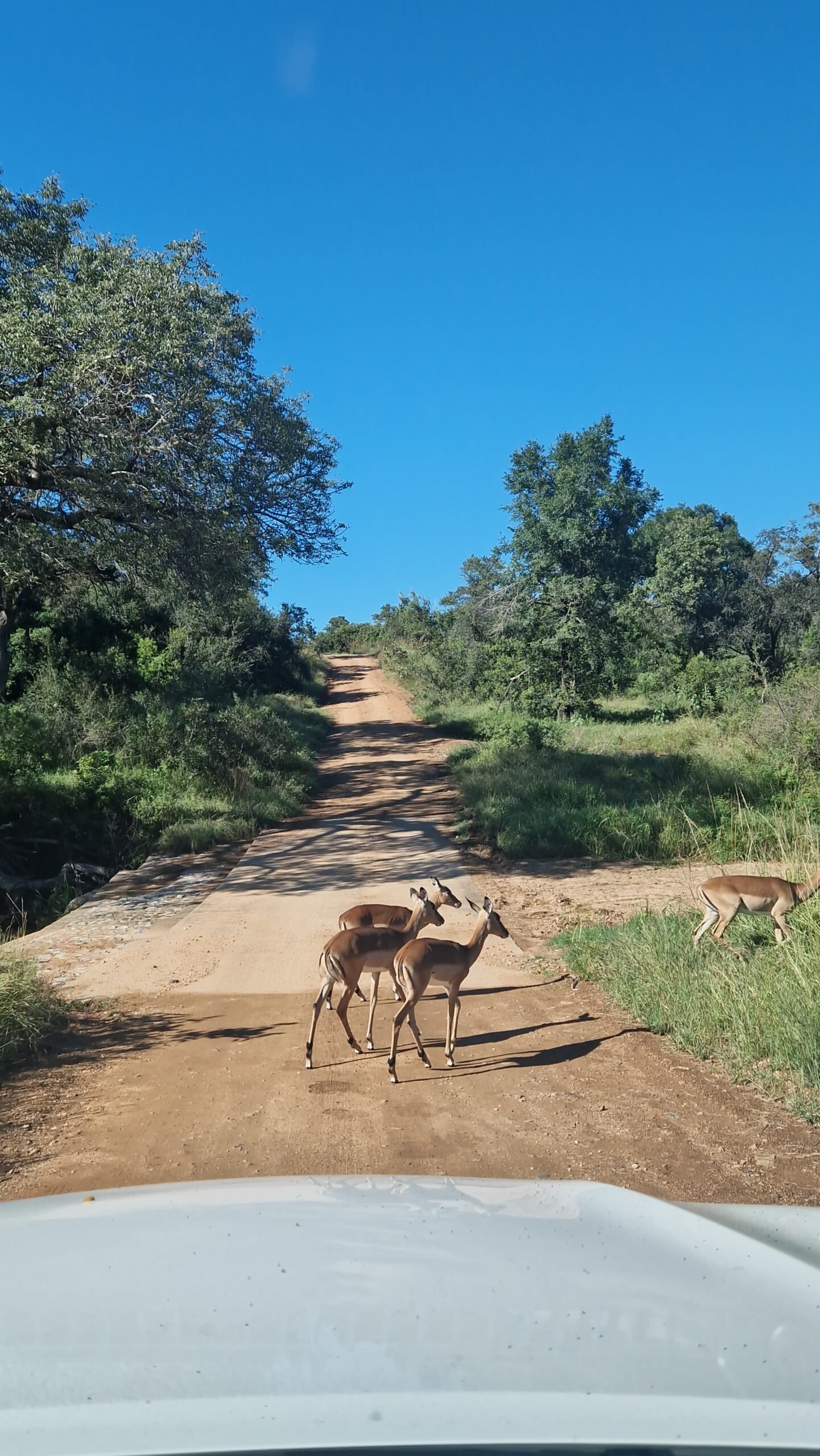
We pulled away reluctantly and drove a final loop towards Lower Sabie — that famous road, the H4-1, that had given us our most extraordinary leopard encounter. We drove it slowly, reverently, as if visiting a temple one last time.The road was quiet this morning. A few impala. A fish eagle calling from a dead tree. The river glinting through the bush.
No leopards this time. But the road didn’t owe us anything. It had already given us everything.
View this post on Instagram
The Virus Finds Its Final Host
There is, of course, one last twist to this story. Because the bush has a sense of humour, and it wanted to make sure we left with a perfectly symmetrical tale.Remember Addy’s viral fever? The one that struck on the flight from London? The one that had us racing to pharmacies in Addis Ababa, sleeping on floors in Johannesburg, administering medicine in rest camps?
Well, Addy was perfectly fine now. Bouncing, energetic, fully recovered, glowing with the health of a child who has spent a week breathing African air and drinking milkshakes.
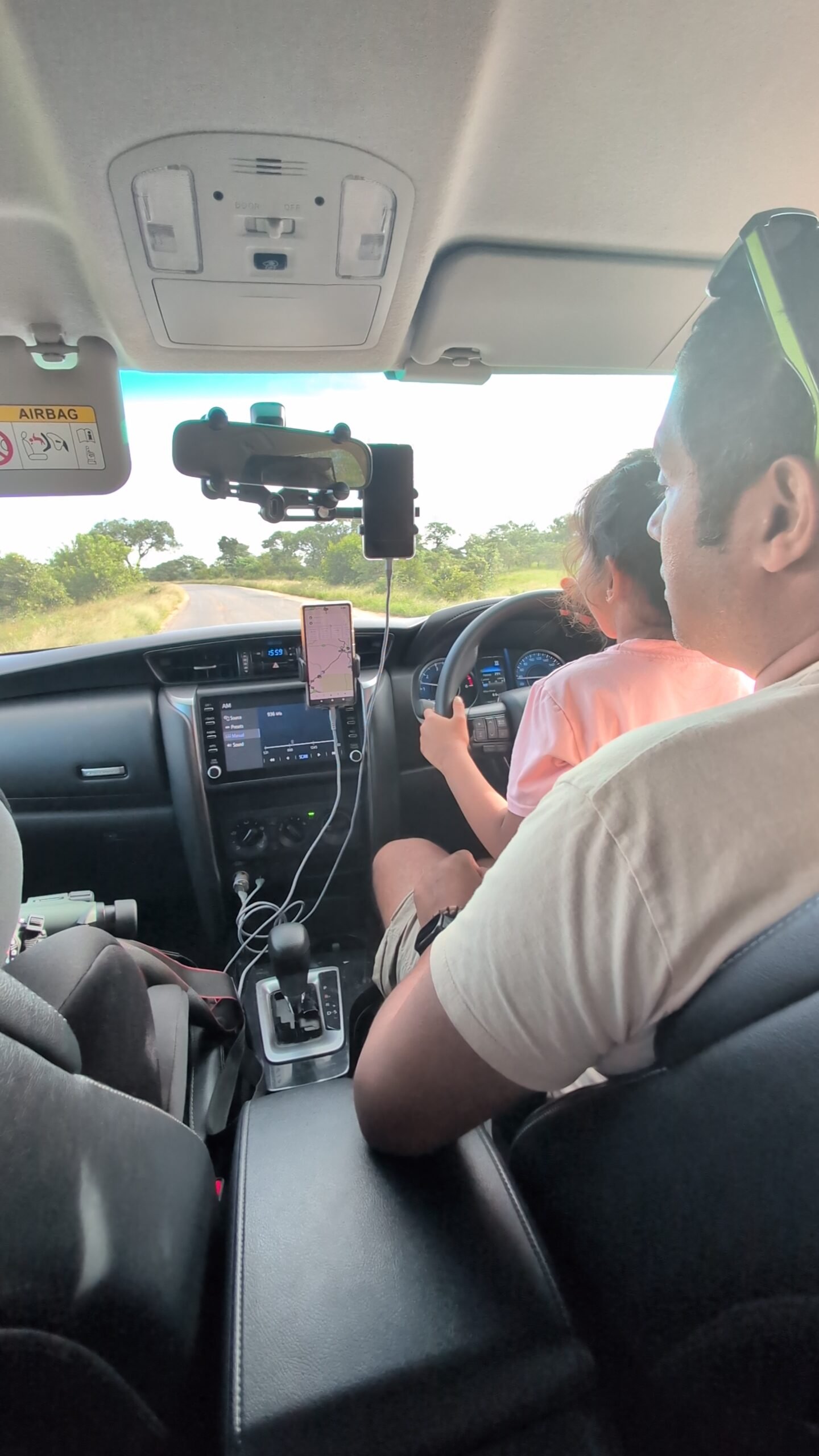
I, on the other hand, had caught it.Of course I had. The viral had completed its family tour and found its final host. I was burning up, congested, exhausted — wearing a mask in the car, popping medicines.
The symmetry was almost poetic. She’d arrived sick and left well. I’d arrived well and was leaving sick. Kruger giveth and Kruger taketh away.
Numbi Gate — The Exit
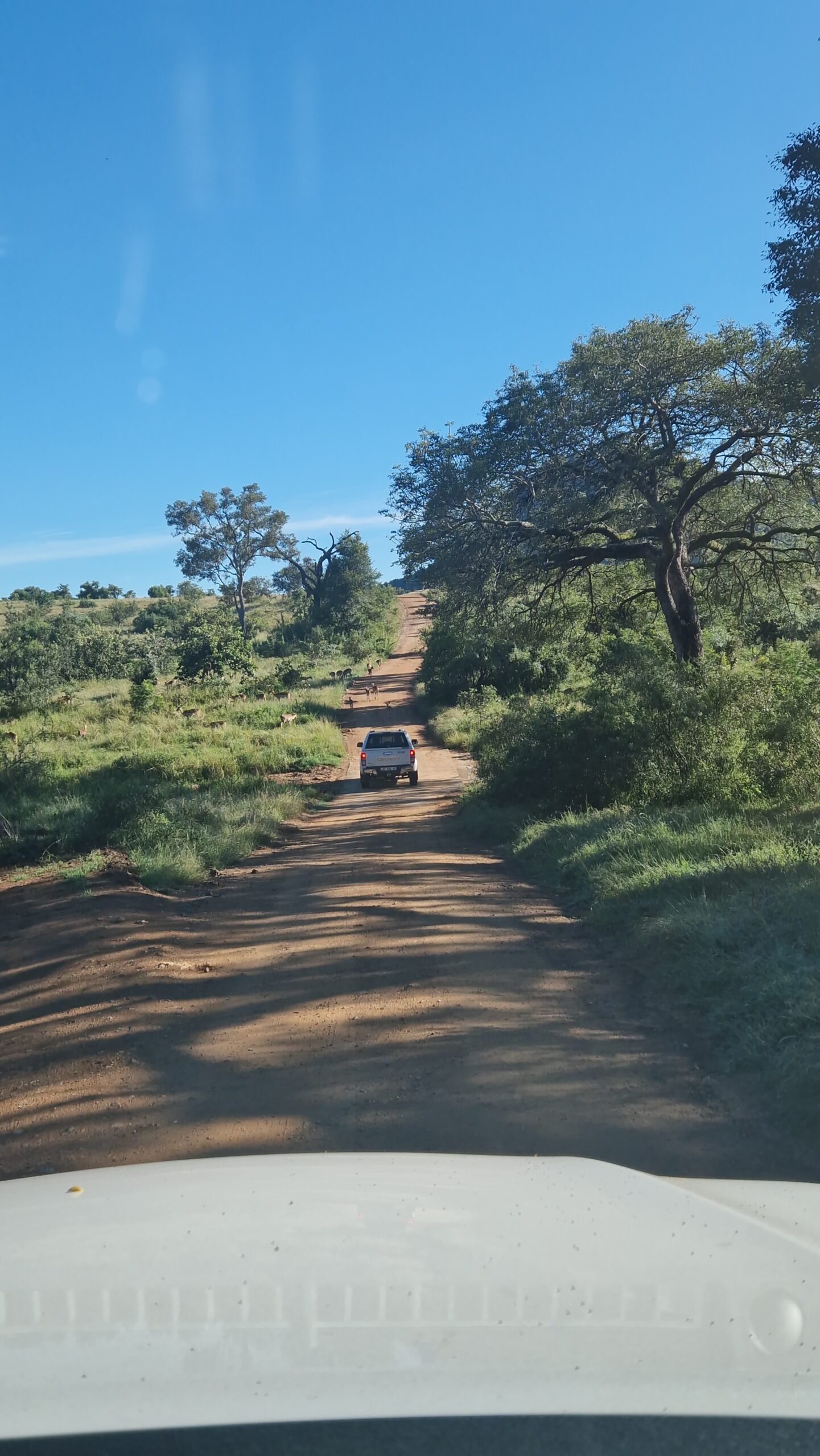
We drove towards Numbi Gate — the western exit that would take us to Kruger Mpumalanga International Airport and onward to Cape Town.The road wound through the final stretches of bushveld. Impala grazed by the roadside. A hornbill sat on a branch, watching us leave with what I chose to interpret as sadness.
And then — the gate. The barrier. The line between the wild and the world.We stopped. I looked in the rearview mirror. Addy was gazing out the back window at the bush receding behind us, her little Kruger passport clutched in her hands, its pages stamped and well-worn and full.
It was over.
Seven days. One extraordinary, life-changing, soul-rearranging week in the African bush.
What Kruger Taught Us
I drove to the airport in silence — partly because I was emotional, partly because I’d lost my voice to the virus. But mostly because some experiences are too big for words, and they need silence to settle properly into your bones.
Kruger taught us patience — that the bush rewards those who wait when everyone else leaves.
Kruger taught us instinct — that the quiet voice inside you is worth following, even when it makes no logical sense.
Kruger taught us humility — that we are guests in a world that doesn’t need us, and the greatest privilege is simply being allowed to watch.
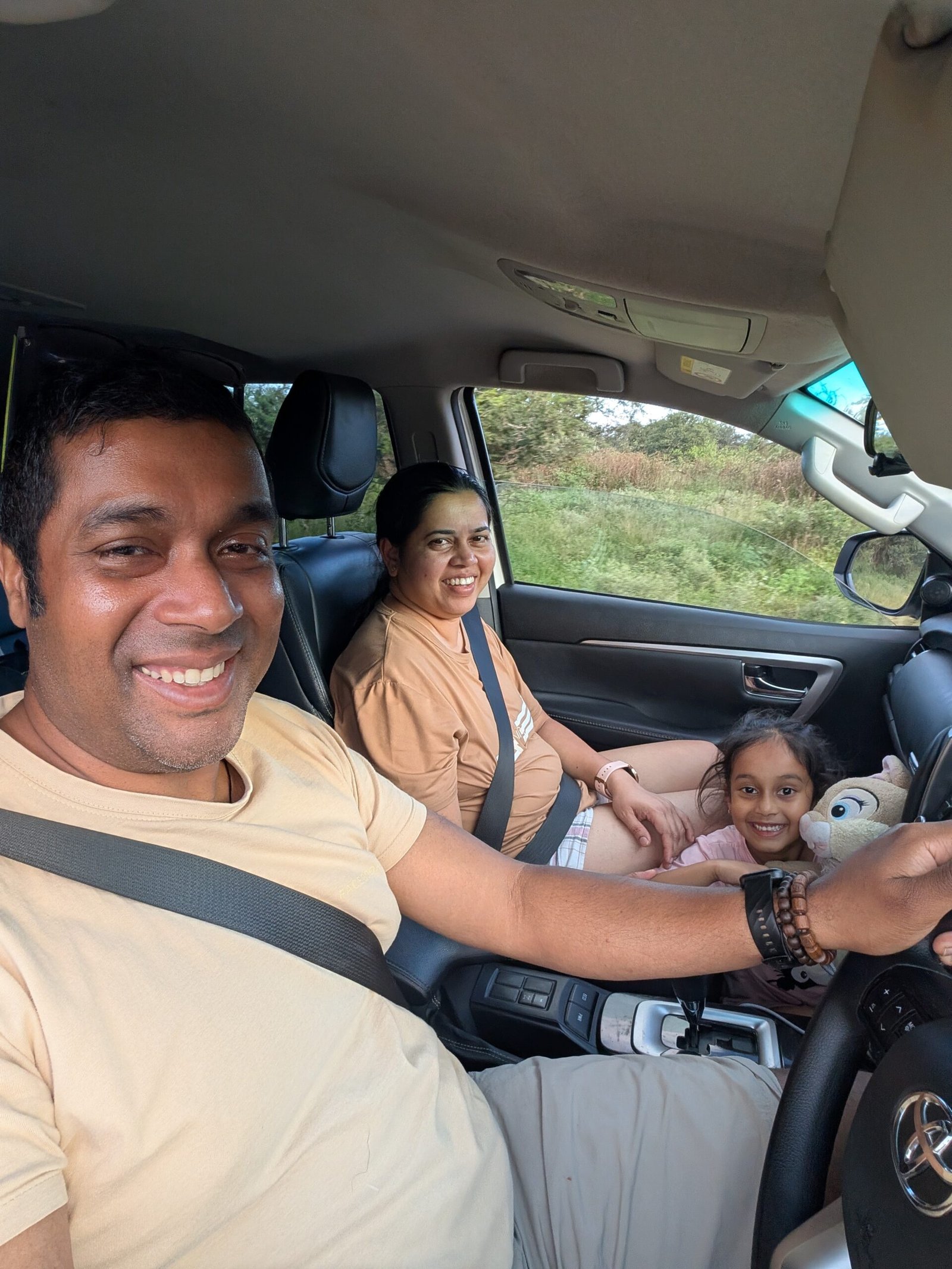
And Kruger taught us something about family — that the best adventures aren’t the ones that go perfectly. They’re the ones where your daughter gets sick on the plane and you sleep on airport floors and you worry about blisters and you argue about whether to turn the car around — and you do it all together, and you come out the other side closer than you went in.
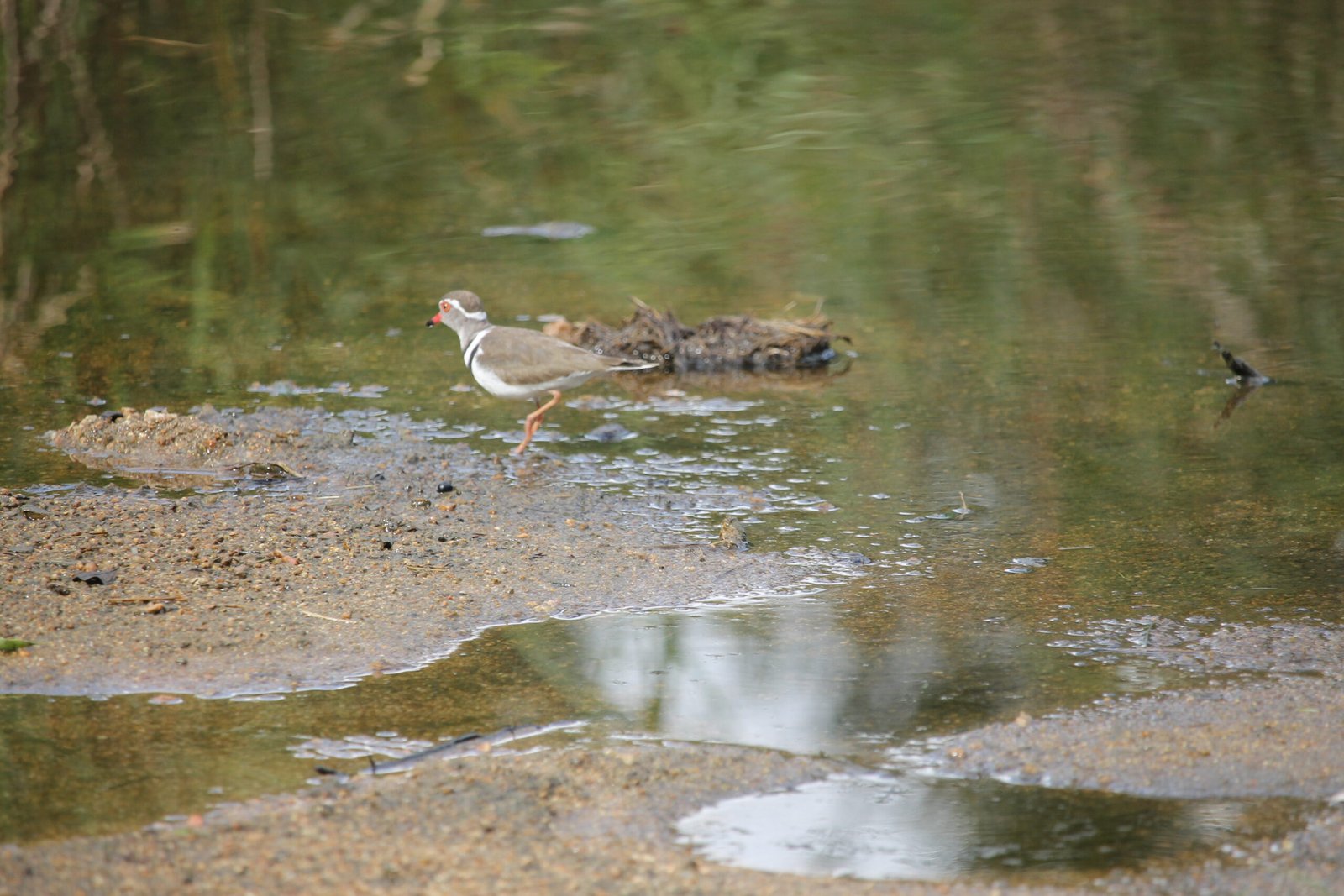
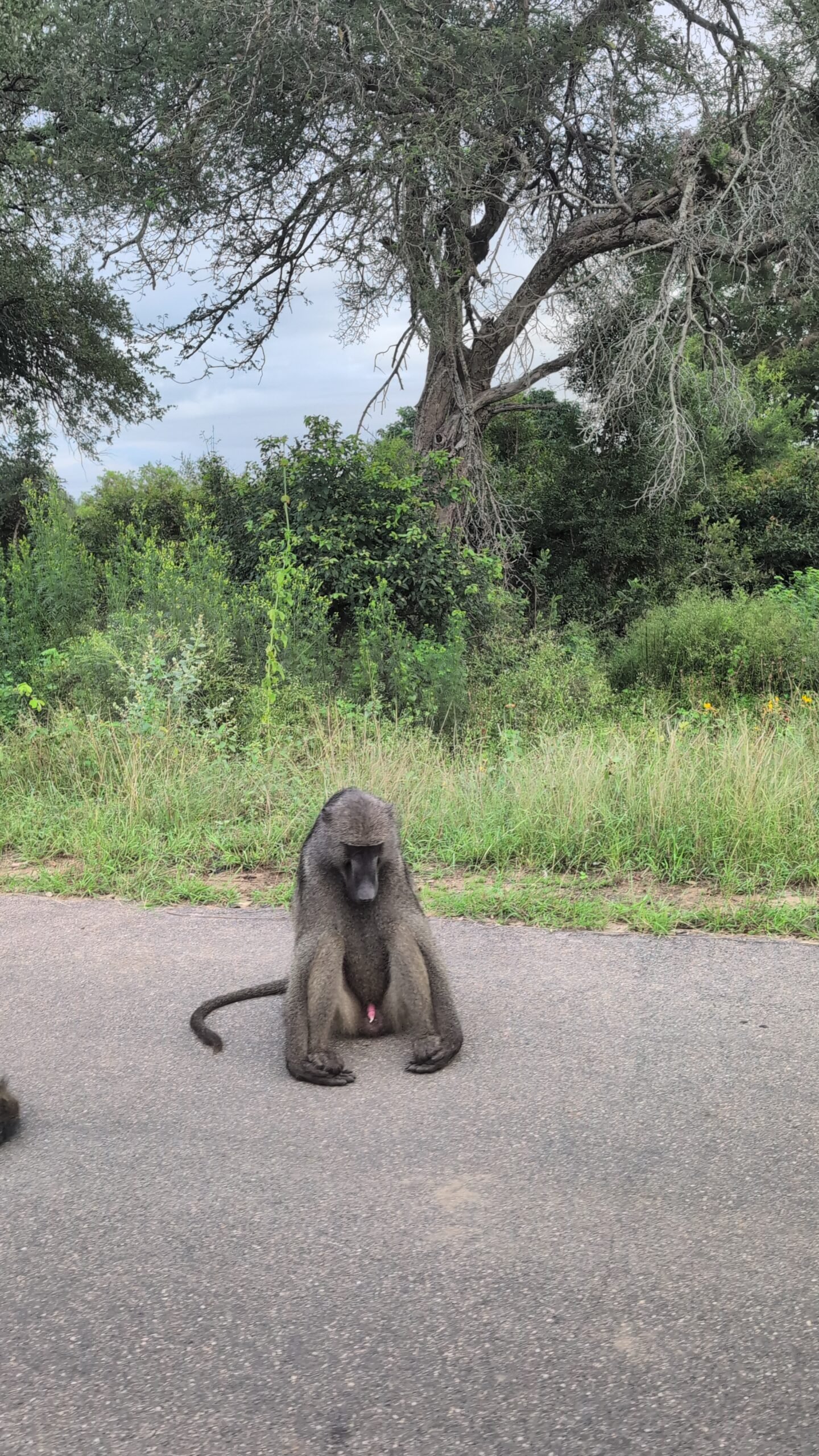
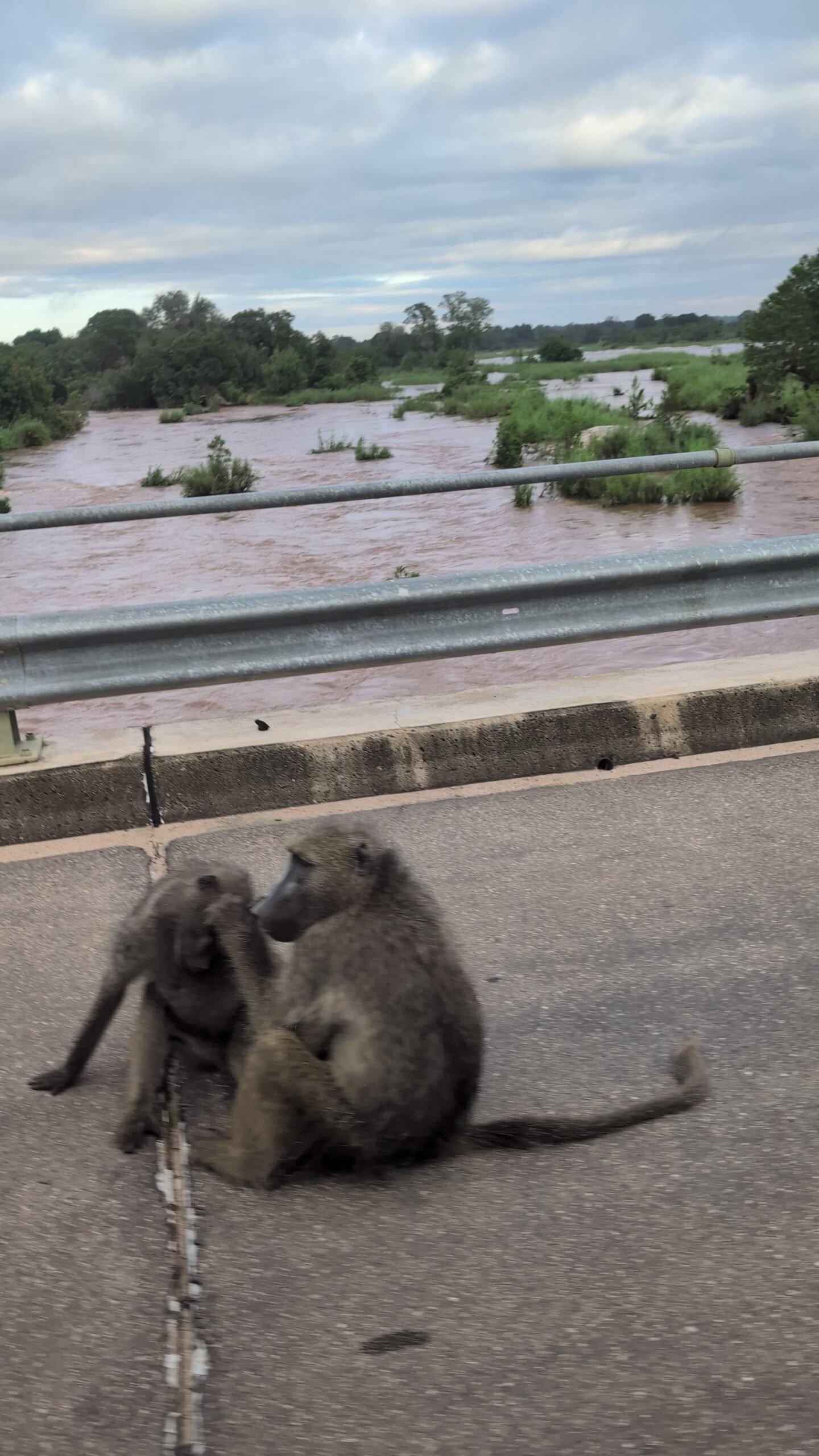
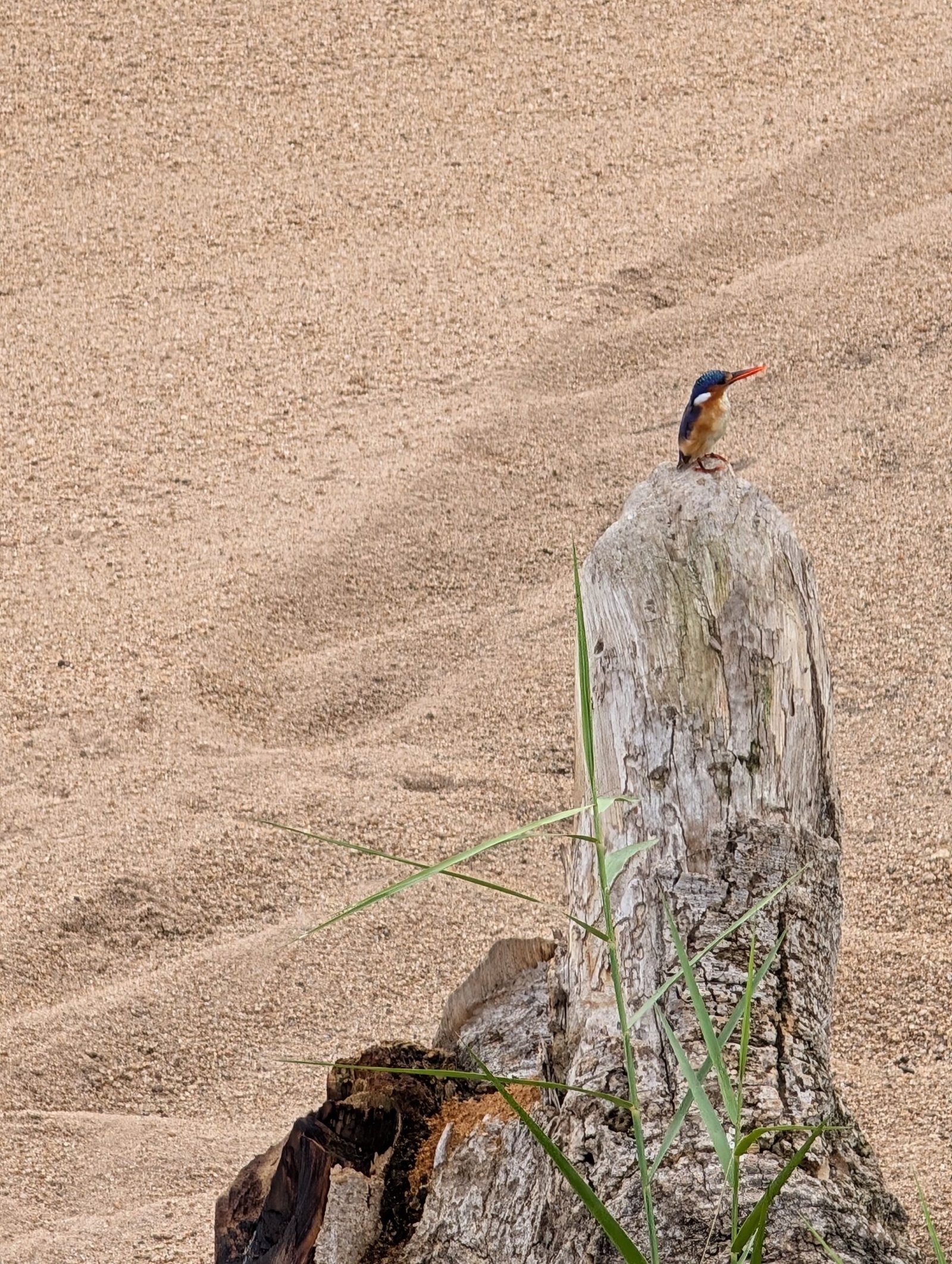
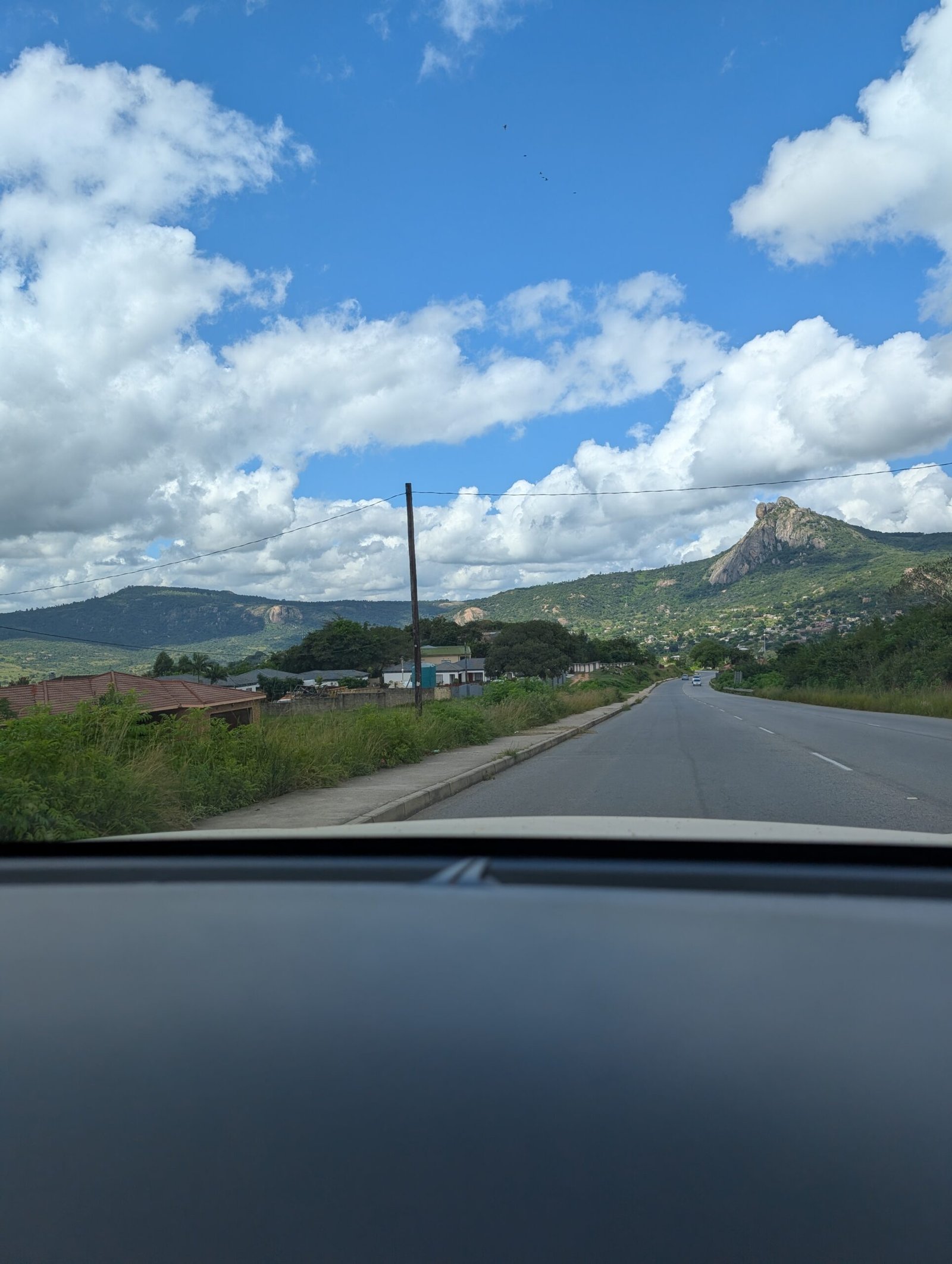
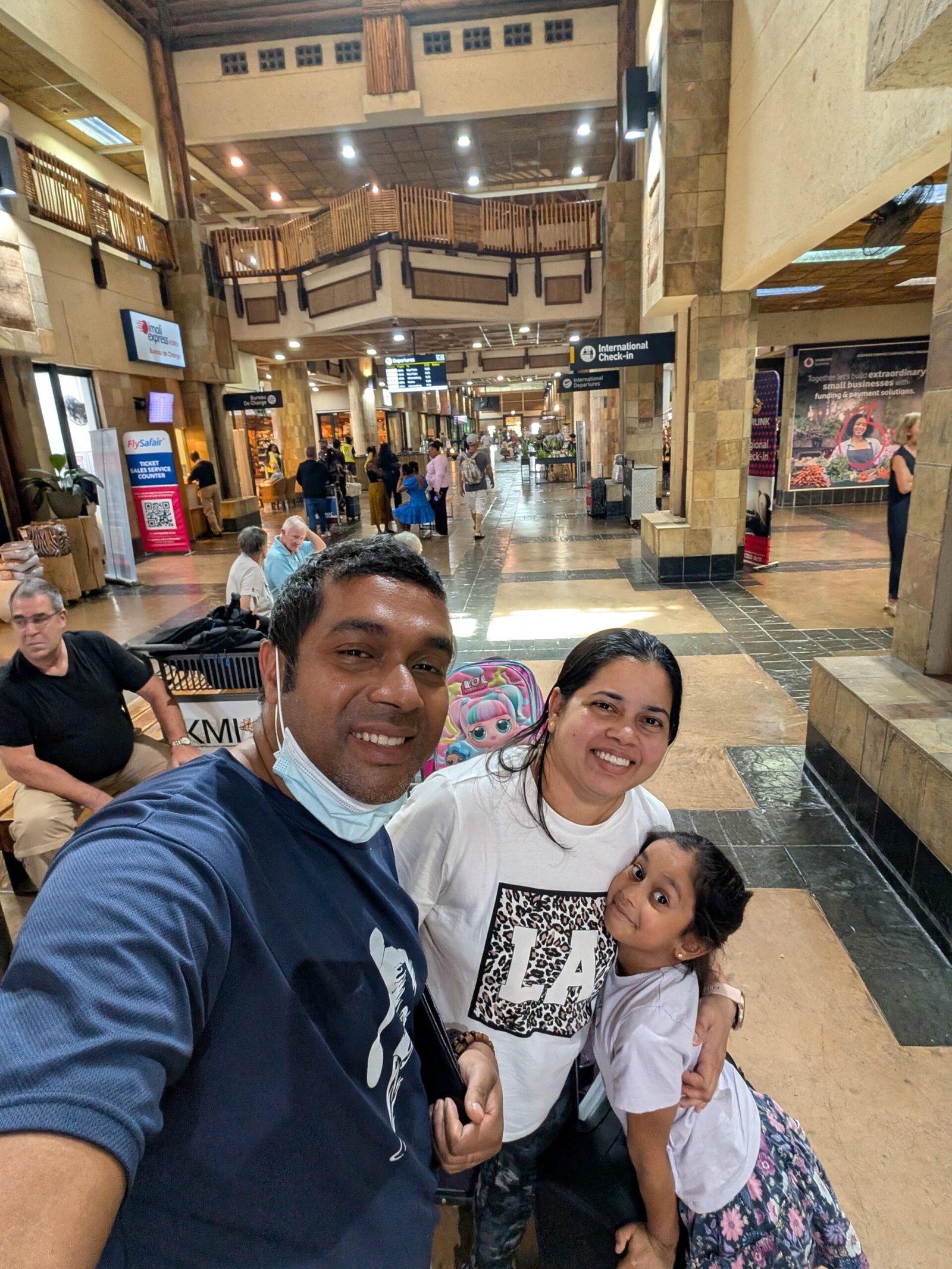
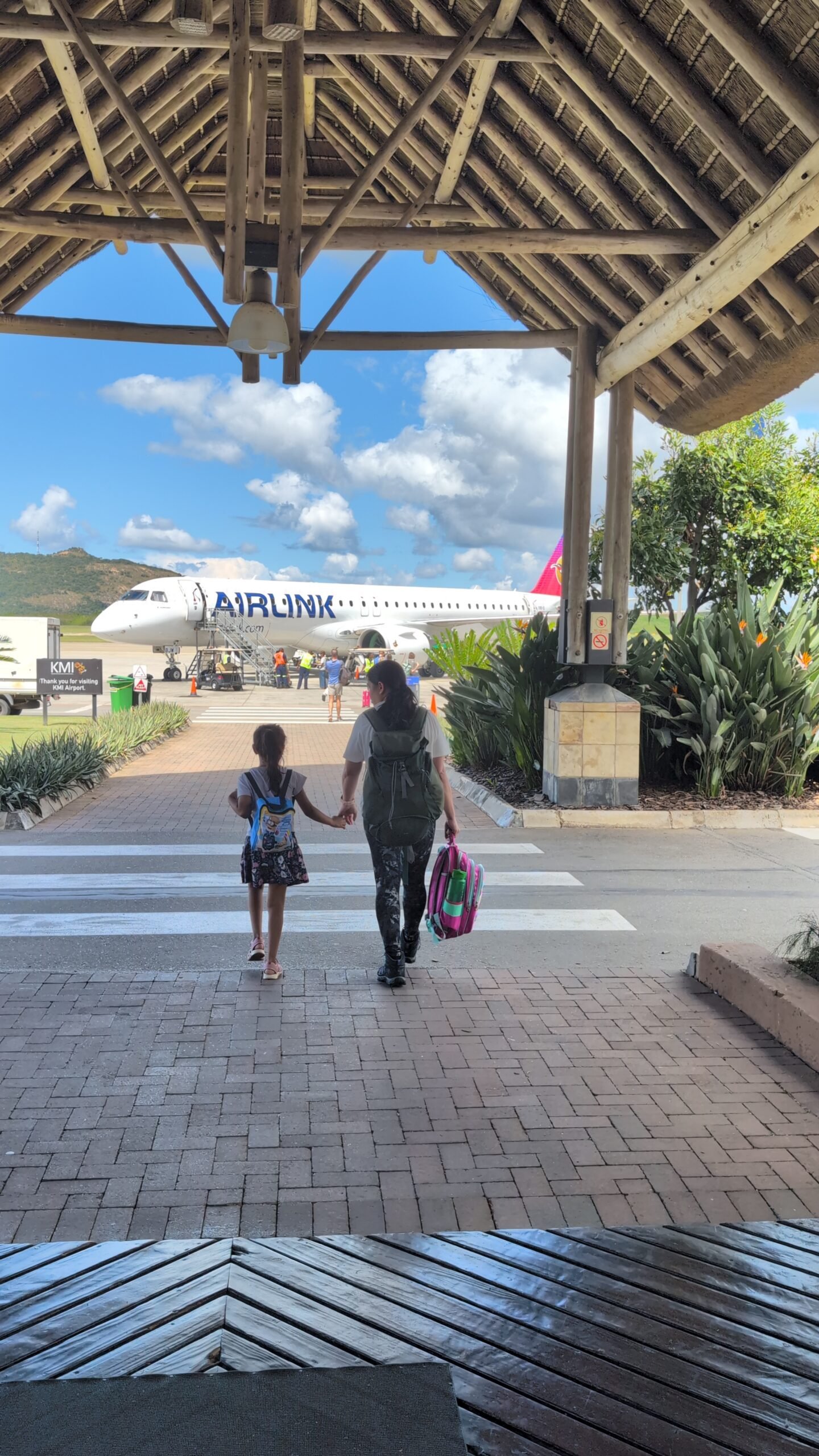
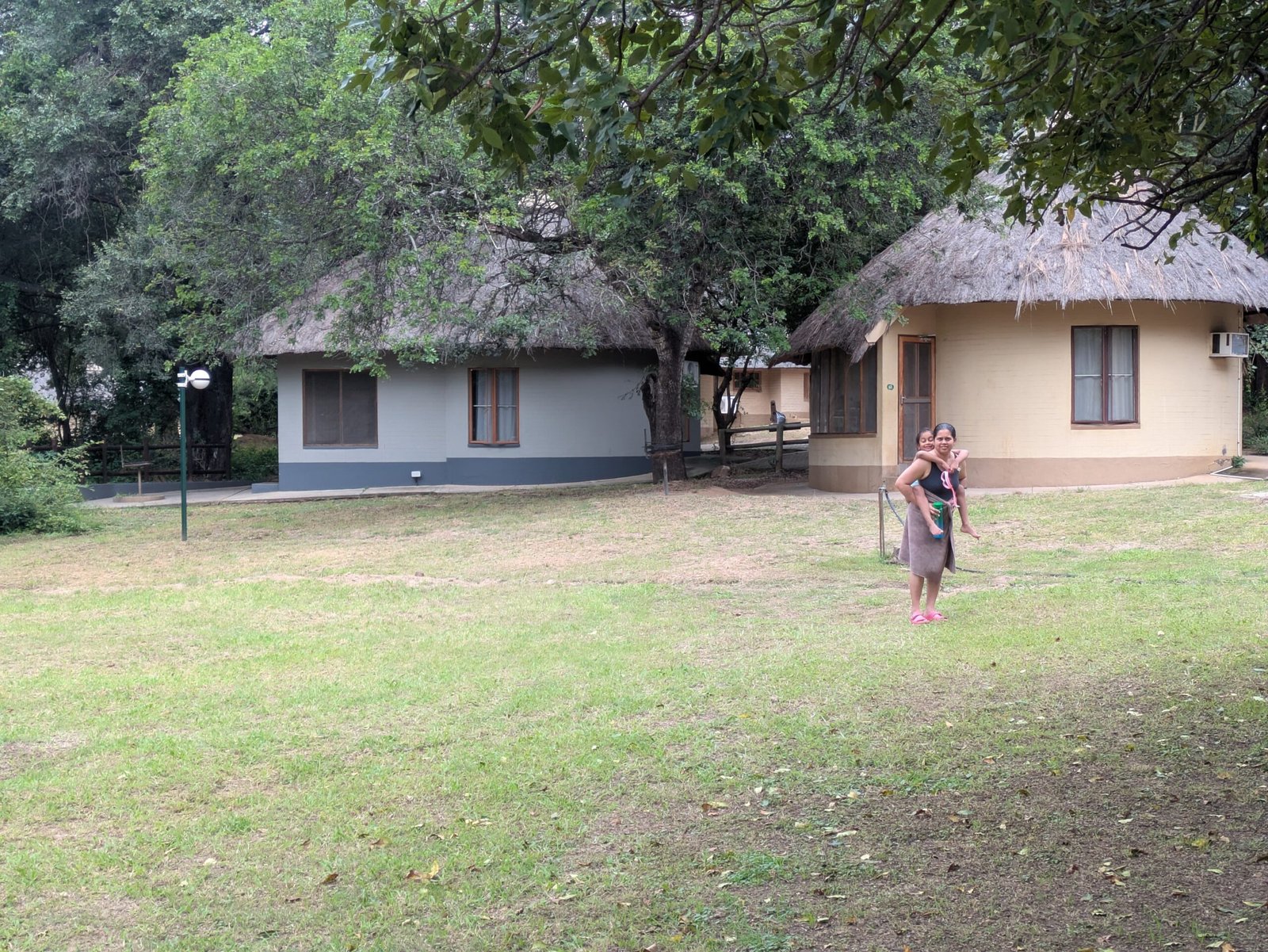
We boarded the flight to Cape Town with heavy hearts, full memory cards, and a six-year-old who had started the week afraid of the wild and ended it waving goodbye to wild dogs.
Addys Final Checklist :
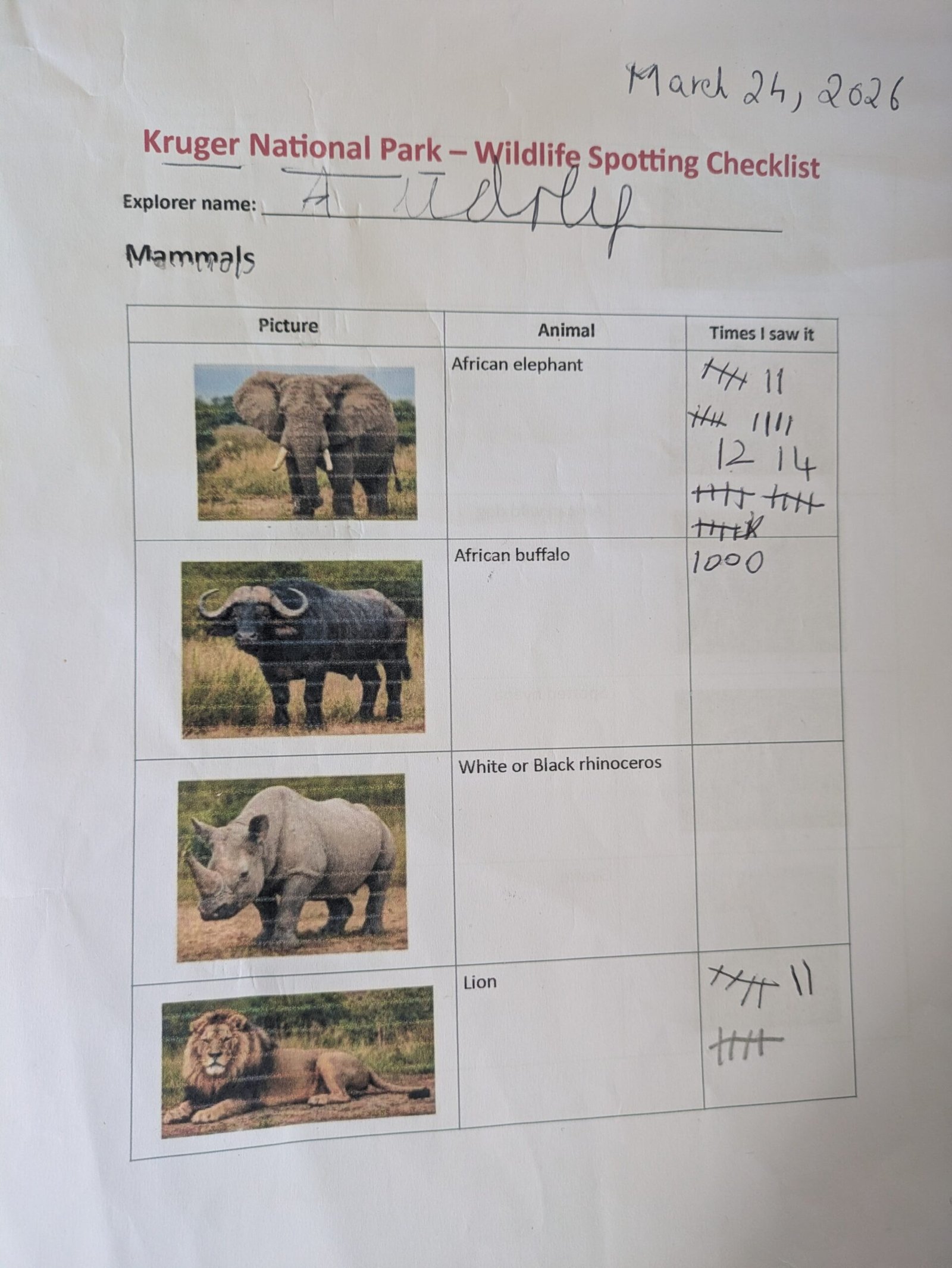
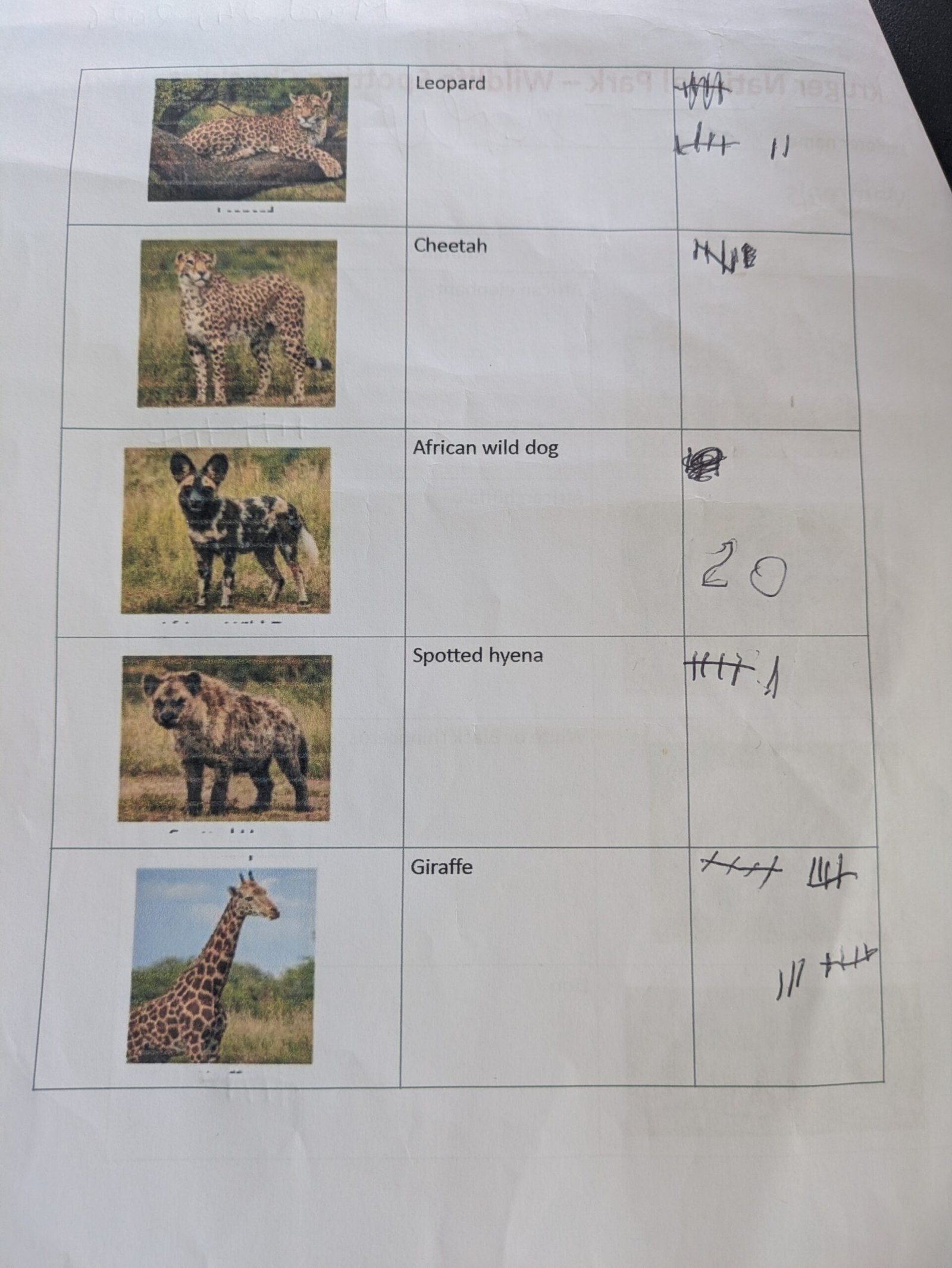
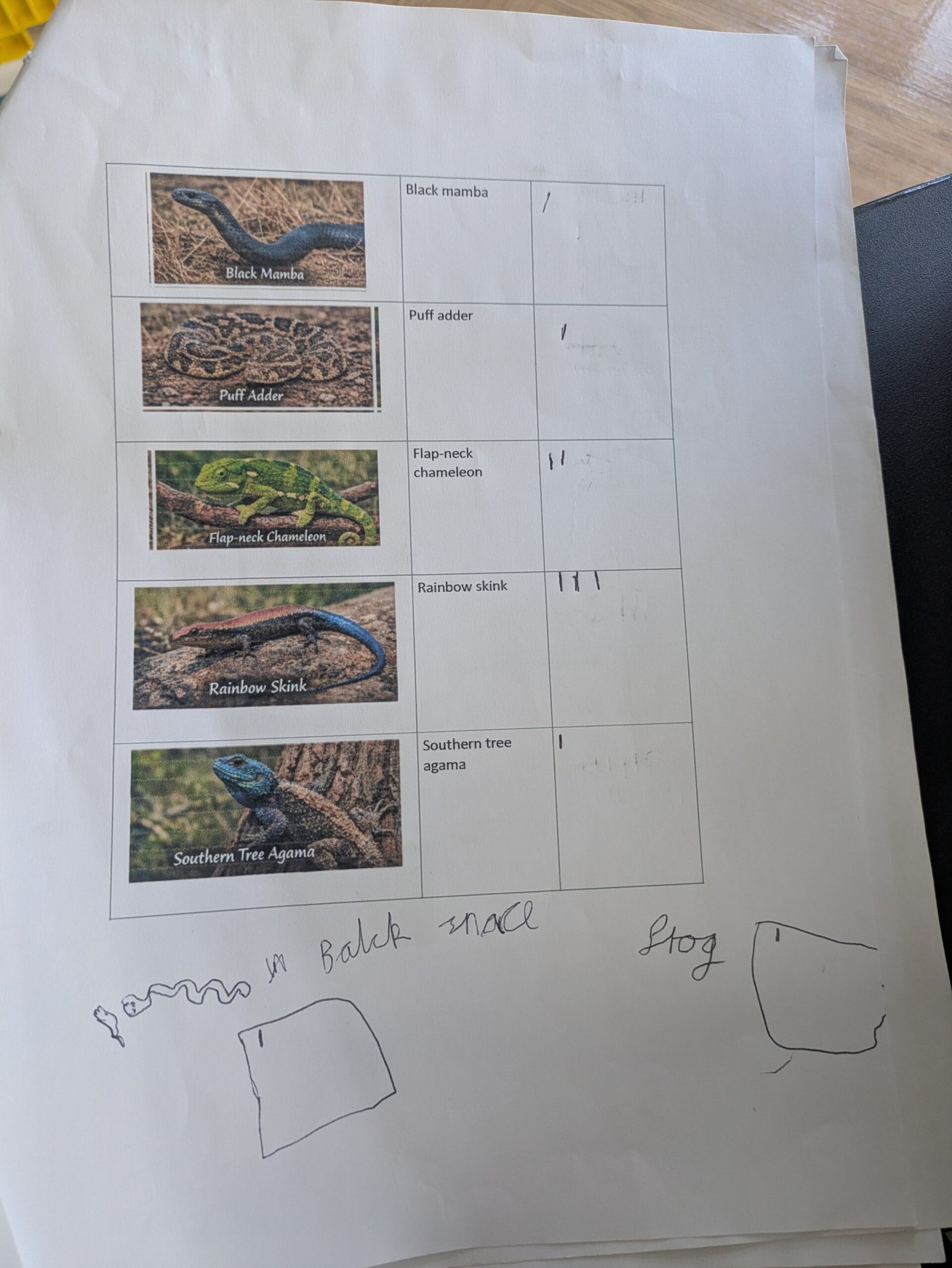
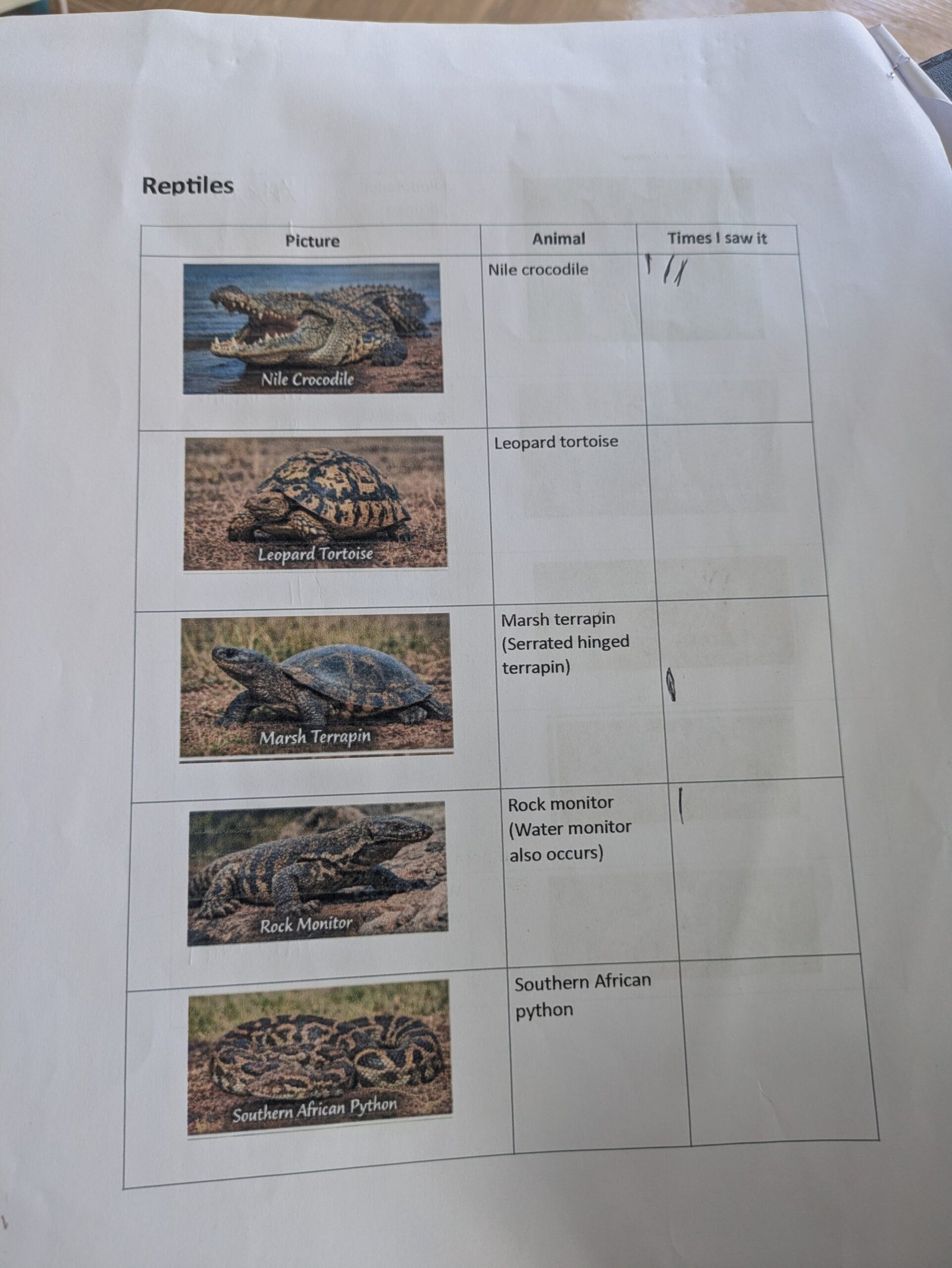
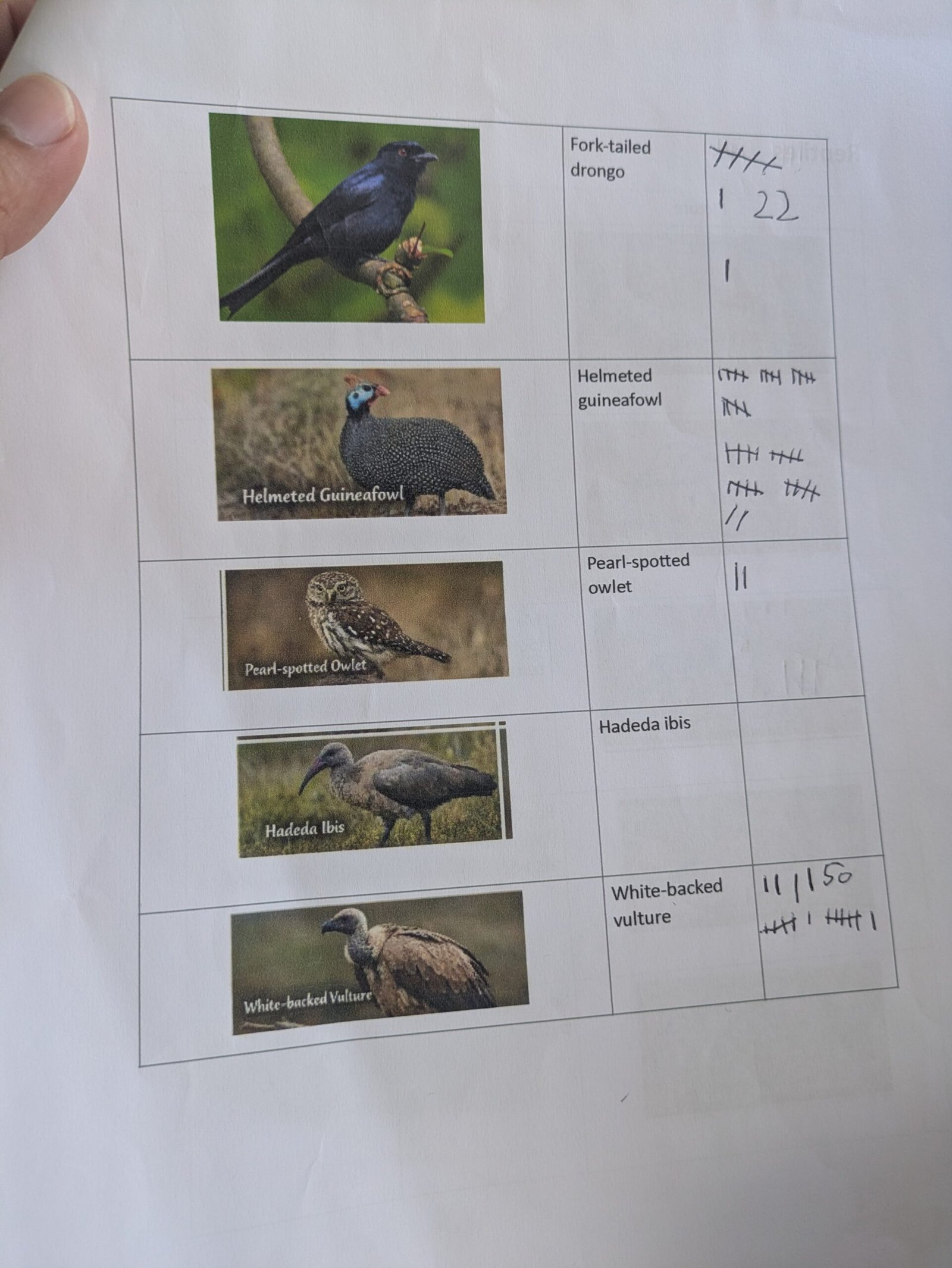
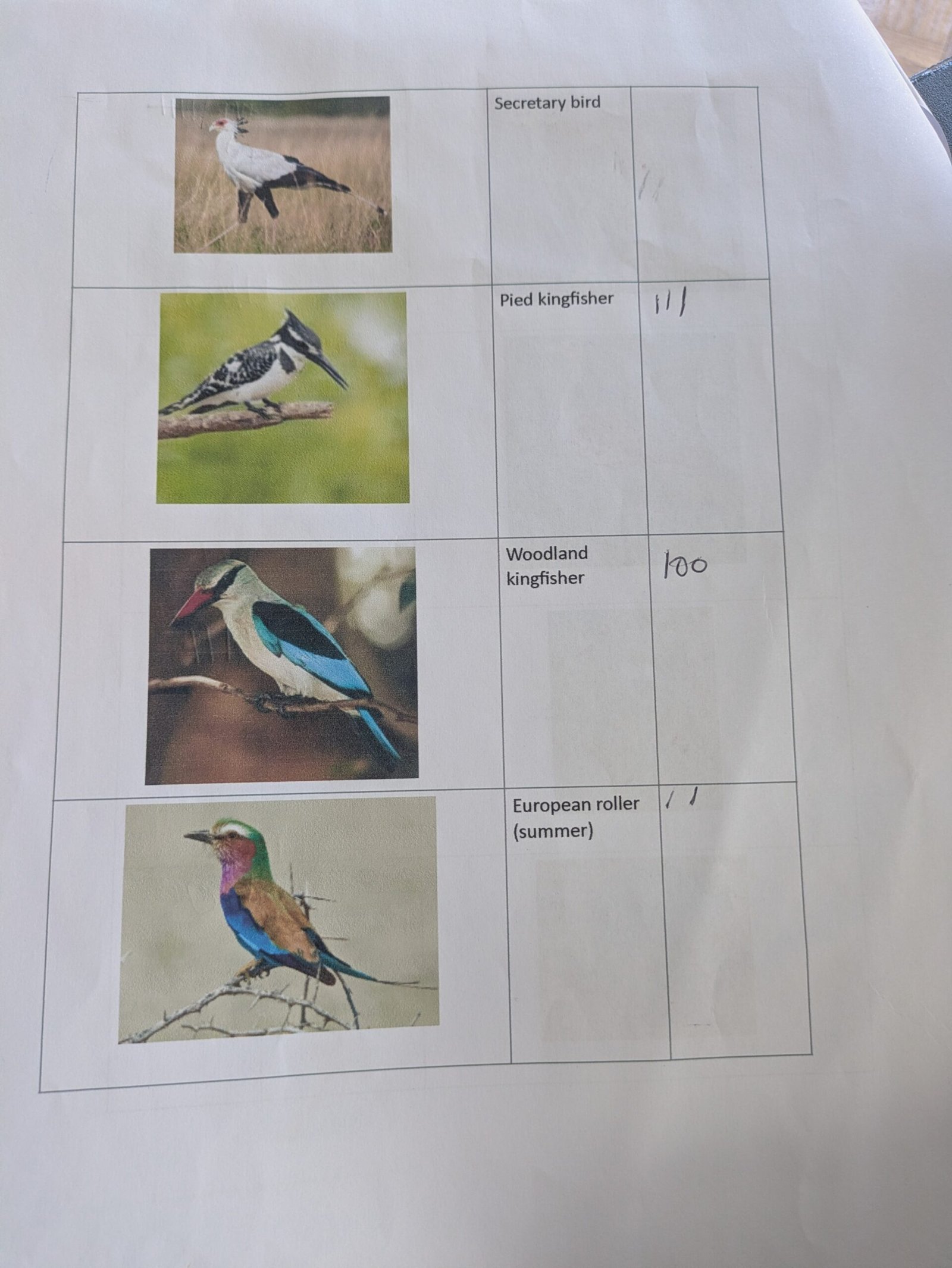
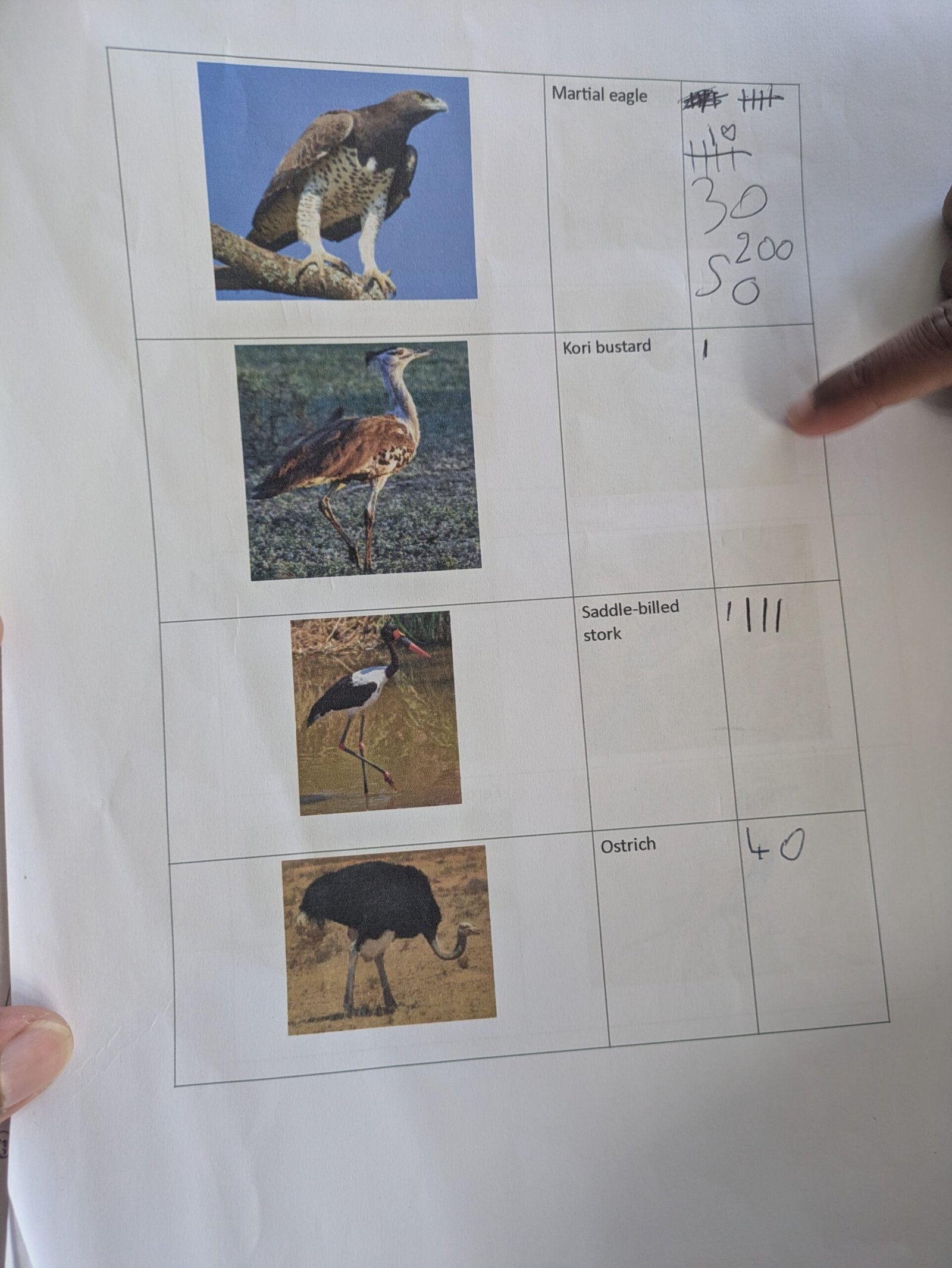
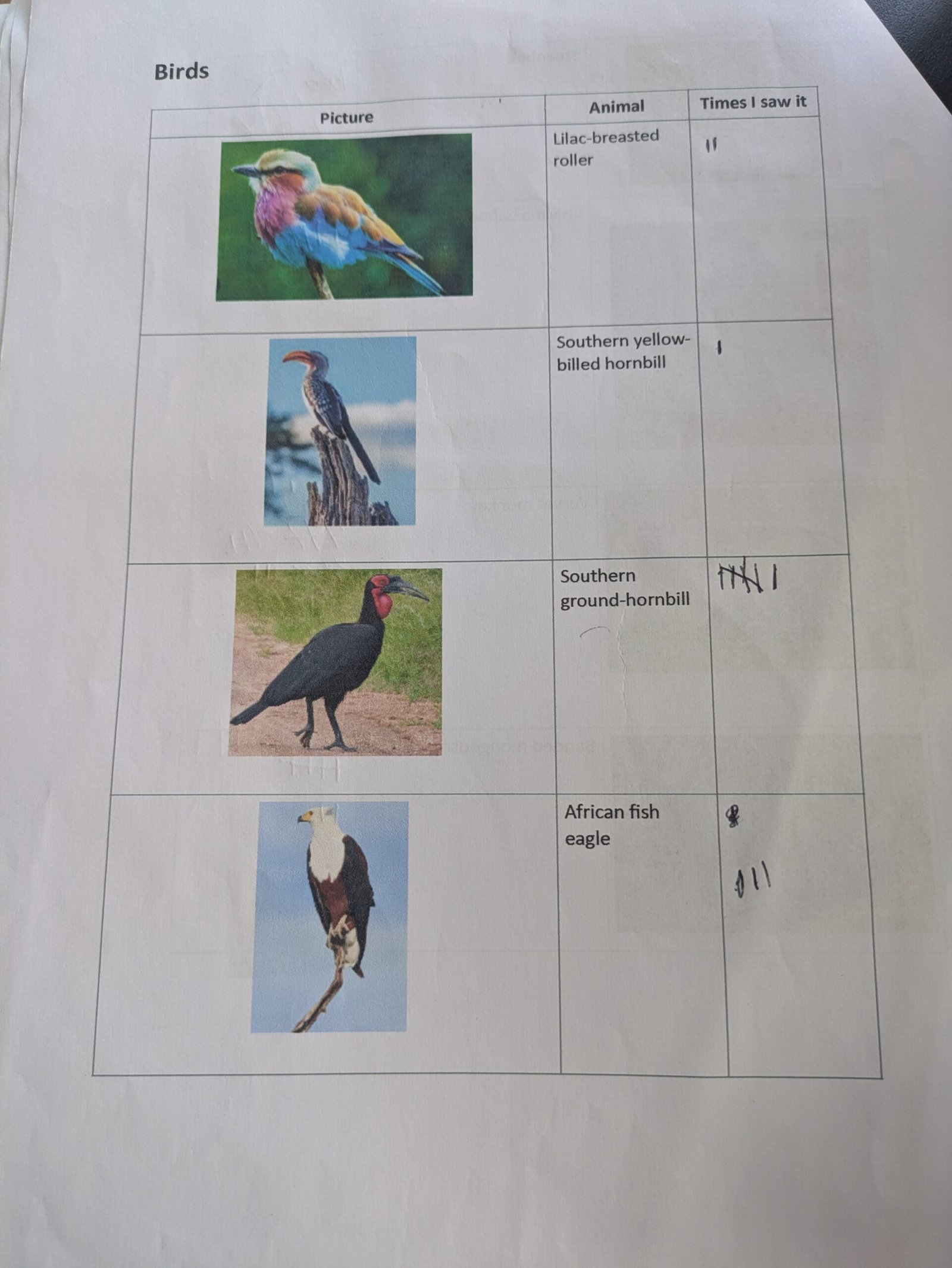
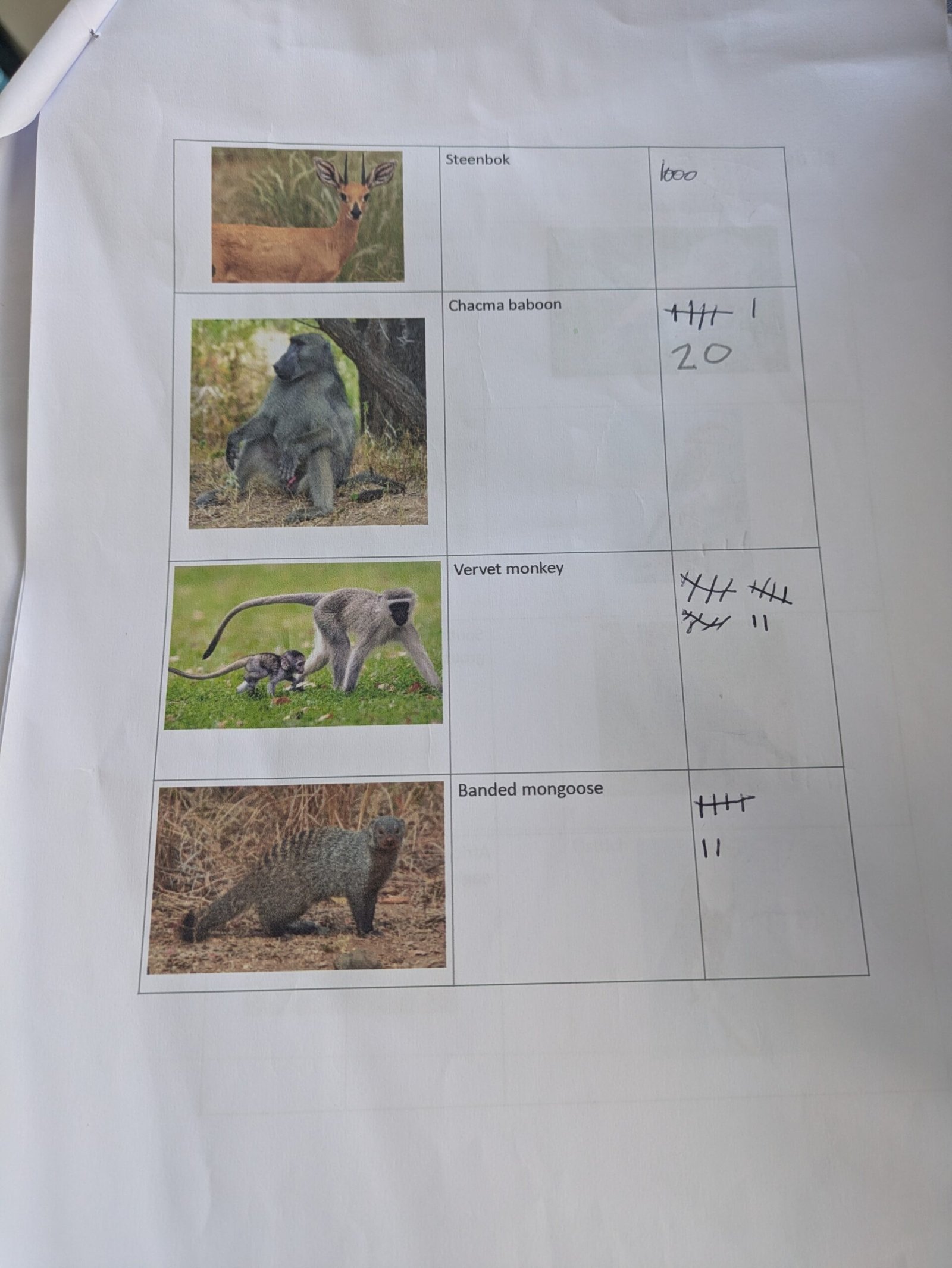
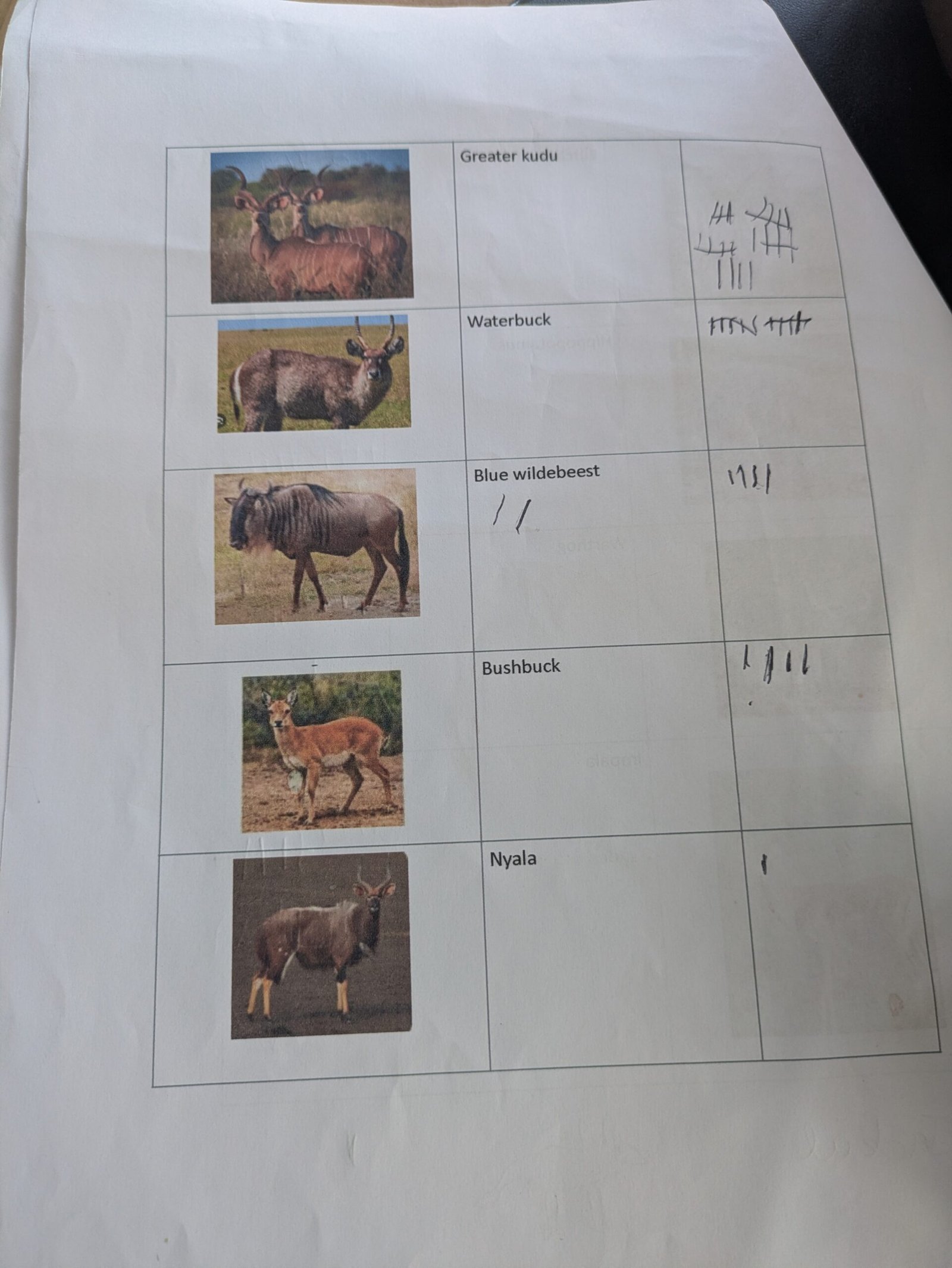
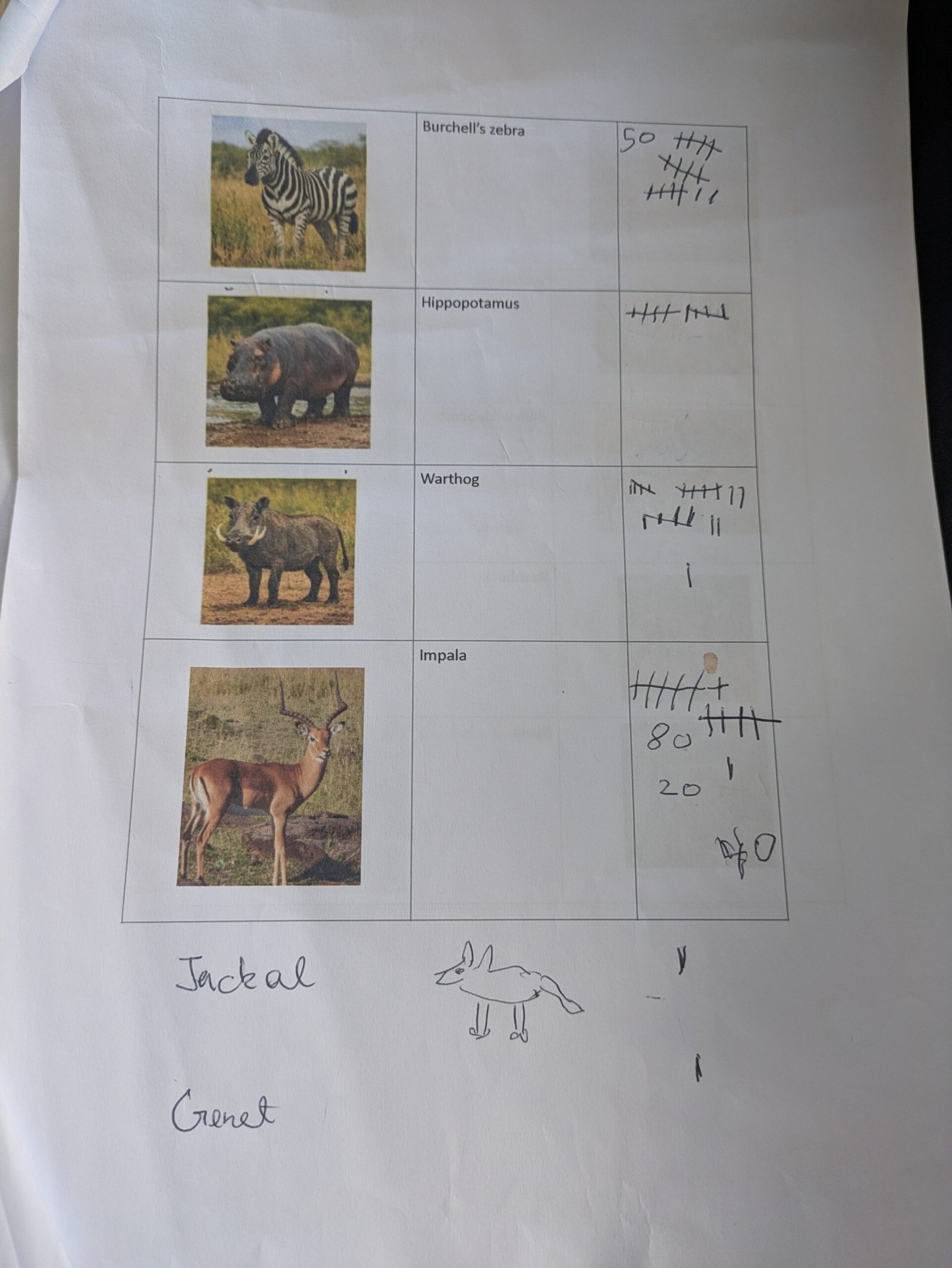
Kruger, thank you. For everything. For all of it. We’ll be back.


This is Aldrin and my partner Amoli. We bring you "Earths Pilgrim" - a unique insight into our travel escapades while leaving life in a cubicle. If you are looking for some inspiration to break the shackles of a regular life, then you are the right place. Read more about us- Click here.